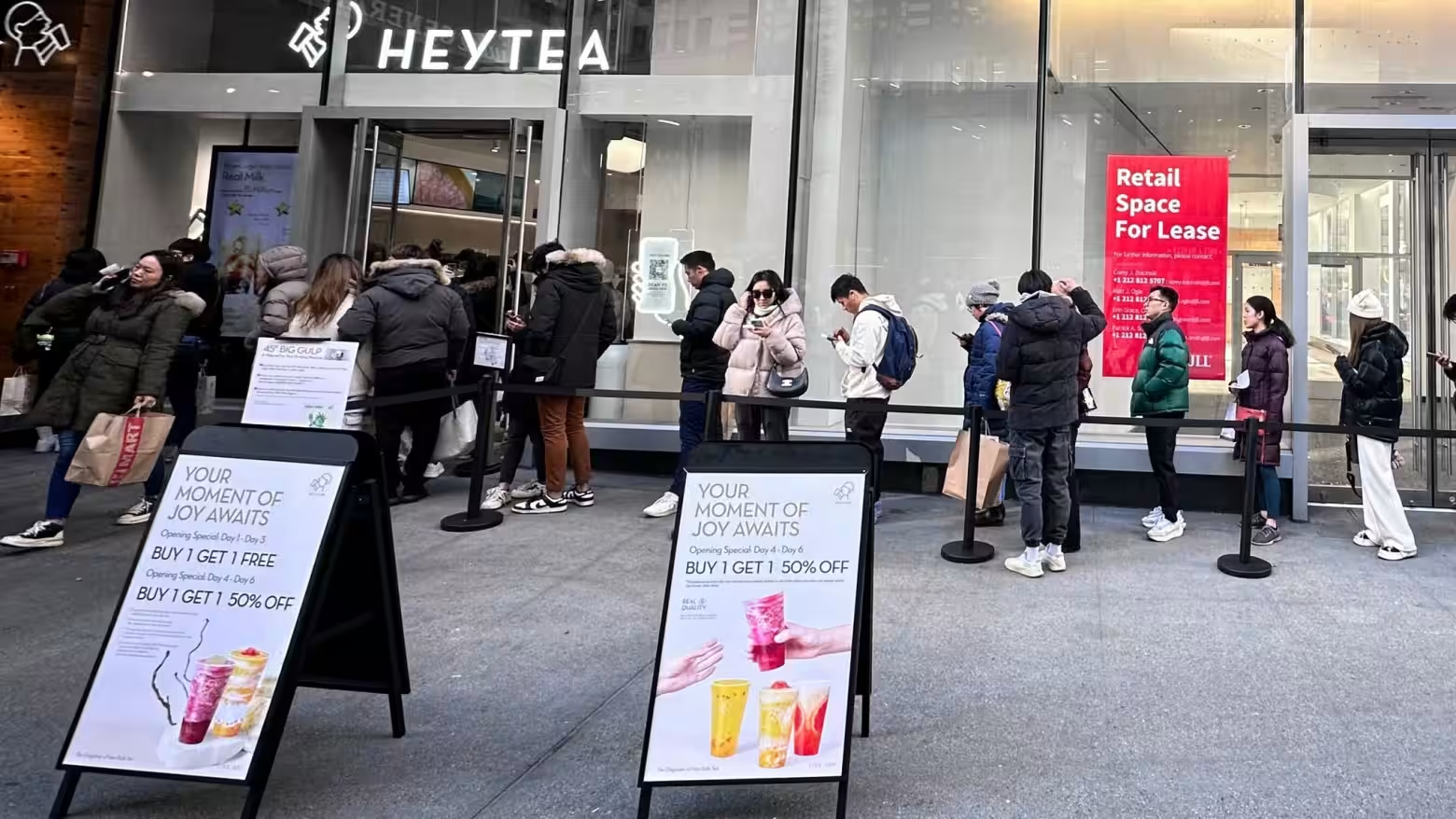

On a cold November afternoon in Times Square, one of the longest lines isn’t for Broadway tickets, but for fruit tea crowned with a glossy cheese-foam cap. The signature of Heytea, the Chinese beverage giant, now spills crowds onto the sidewalk.
It may feel sudden, but America is in the middle of a quiet takeover by China’s fast-casual heavyweights: bubble-tea empires, budget fried-chicken chains, and hot pot restaurants famous for tableside noodle dances, as reported by CNBC. The U.S. arrival isn’t random; it’s the direct result of an overcrowded, slowing Chinese market where even major brands are scrambling to survive.
China’s food-and-beverage scene is so oversaturated that analysts estimate it has triple the number of restaurants per capita compared to the U.S.—and many don’t last a year. Slowing economic growth, a real-estate slump, and more frugal consumers have squeezed even the biggest chains, as investor Bob Qing told The New York Times. Drinks once considered “affordable luxuries” now compete with 75-cent milk teas from ultra-discount upstarts, according to CNN.
The giants are expanding outward. And the United States, with its massive dining market and love for novelty, is its most ambitious target yet.
Heytea, with more than 4,000 stores in China, helped launch the modern tea craze. Its American locations lean into spectacle—layered fruit teas, matcha whisked to order, and the infamous cheese foam. Since 2023, it has opened more than thirty U.S. stores, according to the Times.
Luckin Coffee, China’s largest coffee chain, has also landed in Manhattan. Once disgraced by a financial scandal, the brand has surged back home by selling quality lattes at a fraction of Starbucks’ prices. New Yorkers don’t seem to mind its past—they’re lining up for $3.80 coffee.
Wallace, a wildly popular Chinese fried-chicken chain with 20,000 stores, recently opened its first U.S. location in California. Its pitch: three chicken sandwiches for $10—a deal that made college students everywhere do a double take. Menus have been tweaked for American tastes, but the core idea—ultra-cheap comfort food—remains intact.
And Haidilao, the hot pot chain known for theatrical service, has slowly adapted to American norms while keeping its charm. This year, it even went viral after appearing in the final episode of And Just Like That. This small cameo signaled just how quickly these chains are becoming part of Americans’ everyday food landscape.
Ironically, Chinese chains are expanding into the U.S. just as American chains retreat from China. CNN reports that Starbucks, which once opened a new store every 15 hours, recently sold a majority stake in its China business after years of declining sales.
Chinese consumers aren’t rejecting Western brands—they’re simply choosing cheaper ones.
“One cup of Starbucks costs enough to buy three at Luckin,” one Weibo user said.
That’s the line these companies hope to escape by venturing abroad. Of course, geopolitics complicates everything, but demand is real. Some brands downplay their Chinese identity; others lean into it. Yet the crowds keep coming. At a moment when USA-China relations are tense, these food chains are creating a quieter kind of exchange—one happening through tea, fruit, chicken, and noodles.
And if the lines outside Heytea and Wallace are any indication of what’s to come, America is very ready to eat.