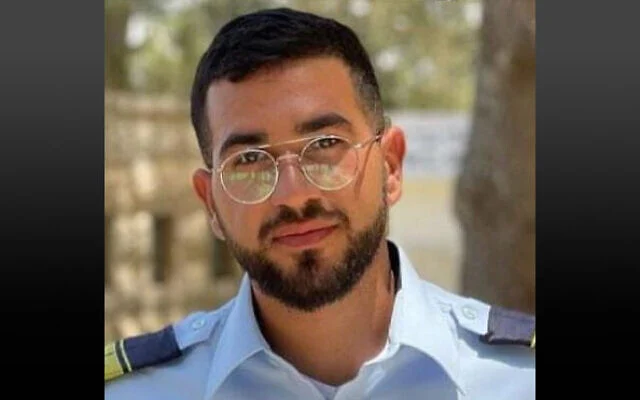
October 7, 2023–January 26, 2026. Eight-hundred and forty-three days, 12 hours, and six minutes. This is how long it took to get back Ran Gvili, a former hostage and Staff-Sergeant Major in the Israeli Defense Forces (IDF). So much time has passed since the first shot rang across Israel, so much time has passed since he was taken from his family, and so much time has passed since the country experienced its full-fledged liveliness. Though time has clearly passed, there is not enough time in the world to forget the tragedies of October 7; it will forever be embedded in the minds of the survivors, both young and elderly, their families and friends, and, of course, the entire world.
Gvili, 24 years old, barely lived his life before his untimely death. On October 7, 2023, he put his life at risk while attempting to save the people at the Nova Music Festival. He knew that there was an abundance of terrorists, but that didn’t matter to him. He stepped up, left his house, and made his way towards the festival. He was never able to reach the festival grounds. Instead, he fought alongside the police from the Kibbutz he lives in, and was shot in the leg and arm, weakening him enough for him to be dragged into Gaza. For so long, his family waited to properly bury him, and on January 26, 2026, they were finally able to do so. He became the last hostage to return, closing a chapter most would describe as endless, unbearable waiting, and loss.
It is officially time to take off the pin. The bright, yellow, memory-filled pin may now be put to rest. This does not mean forgetting the background or meaning of this hostage pin; it means that with the dedication and fight that the people put into making sure the hostages’ voices are heard worked, even though many of them were not able to survive to see the day of their release. For two years, these pins were seen as a sign of promise, a sign that the hostages would not be forgotten, and taking them off might be hard for some people, as the emotions they carry were heavy, mixed with grief and relief, but now it is closure.
Even without the pin, the responsibility to remember remains. The yellow ribbon became more than an accessory; it became a national symbol of unity and resilience. Its presence reminded people daily of the families still waiting. Though the physical symbol may be removed, the memories, lessons, and emotional impact of October 7 will continue to live on.
Gvili’s story stands as a powerful reminder of courage in the darkest of times. He was a young man with dreams that would never be fulfilled. His decision to risk everything to save others reflects his extraordinary selflessness and bravery. Remembering him means honoring the price he paid and the values he embodied: sacrifice and loyalty.
As Israel continues to heal, the return of the final hostage represents a new beginning. It does not, and cannot erase the trauma or grief, but it signals the start of a new phase of remembrance. Through memorials, educating, and storytelling, the victims of October 7 will not disappear into history. Their names will remain in the nation’s heart forever.
Though life will move forward, the country will never truly move on. That one tragic day two years ago reshaped families, communities, and the spirit of the people in ways that cannot be undone. Honoring Gvili is not only about mourning a life lost. It is about recognizing resilience, preserving his memory, and ensuring that the sacrifices made by all the victims are never forgotten.