Since Zohran Mamdani’s election and the revocation of New York City’s adoption of the International Holocaust Remembrance Alliance (IHRA) definition of antisemitism, many Jewish New Yorkers have begun wondering: who is standing up for them? In a city that is home to the largest Jewish population outside of Israel, the expectation would be for the leaders of the city to confront the rising antisemitism, but instead, many feel that their concerns are being ignored.
Mamdani has consistently presented himself as the mayor who fights for all New Yorkers. Yet, to many Jewish and Israeli people, his actions say otherwise. Revoking policies that many organizations viewed as protection against antisemitism sent a questionable message at a time when hatred against Jews remains extremely high.
By walking away from a standard definition of antisemitism, the administration showed its willingness to tolerate hostility that directly impacted the safety of Jewish institutions, schools, and synagogues. On May 5, an anti-Israel protest organized by the Pal-Awda group occurred in front of the Park East Synagogue in Manhattan, targeting the synagogue and the Israeli real estate forum inside. Rather than addressing the situation by condemning the group that was involved in the uprising, Mamdani supported it. To specify, Mamdani said he aims to address antisemitism by directing the city’s Office to Combat Antisemitism to conduct a listening tour.
“Through that, [there will be] better [a] understanding [of] the ways in which the city can approach the work of combating antisemitism,” Mamdani said, according to CBS News.
At the same time, he defended demonstrators at the Park East Synagogue protest.
“[The synagogue] has been at the heart of an ongoing effort to displace Palestinians from their homes,” Mamdani said.
For a community that is already on the edge, watching an elected leader undo their protections creates a deep sense of anxiety about where the city’s priorities truly lie.
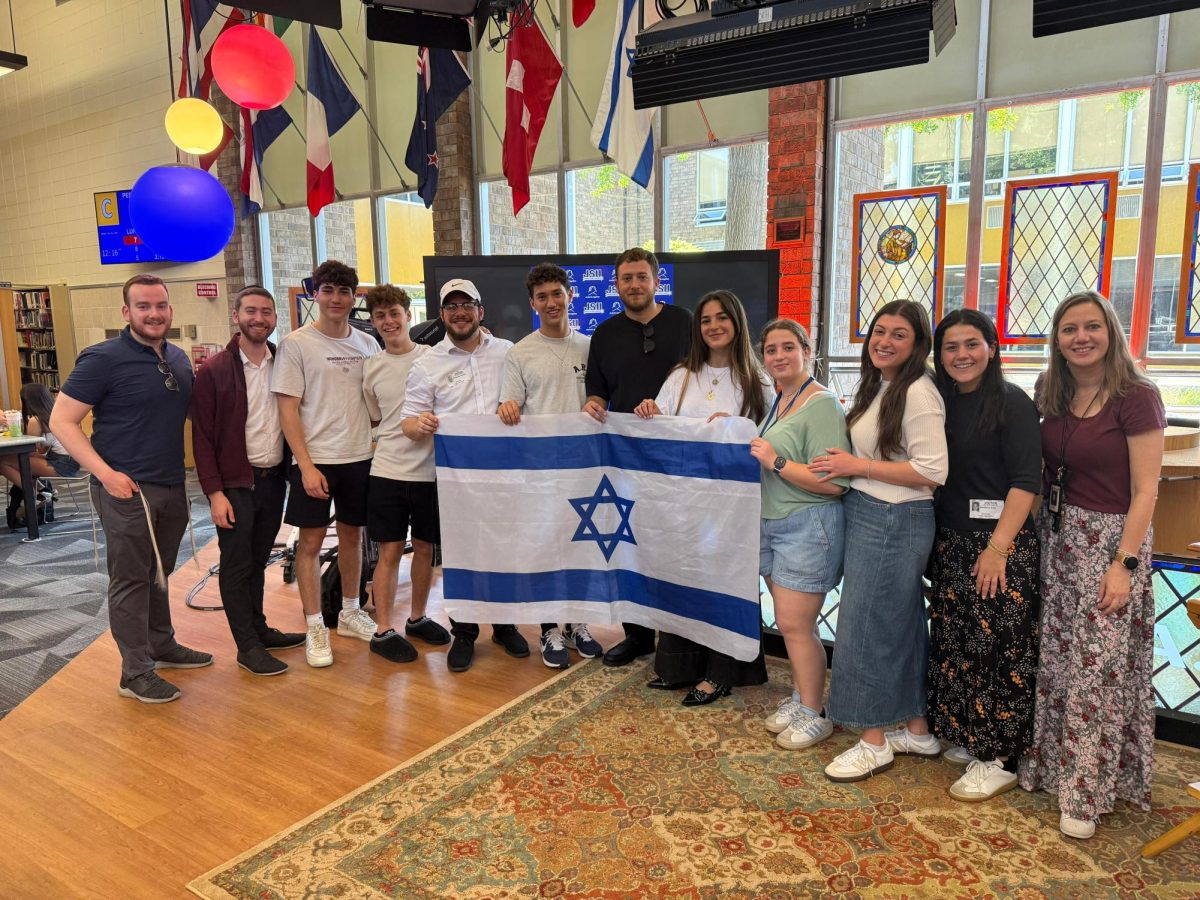
This sense of isolation within the Jewish community may reach a tipping point at the end of the month. On Sunday, May 31, New York City will host the annual Israel Day Parade on 5th Avenue, but the mayor’s empty place at the front of the line will mark the end of a historic 61-year tradition. Since 1964, New York mayors have been marching down Fifth Avenue as an unwritten mandatory showing of solidarity to the Jewish and Israeli communities. Across generations of intense political divides, every city leader, from Ed Koch to Rudy Giuliani, Michael Bloomberg and Eric Adams, all understood that stepping into the streets was a crucial symbol of reassurance to the largest Jewish population outside of Israel. This year, Mayor Zohran Mamdani has chosen to boycott the 2026 march.
Rather than standing with a significant portion of New York City’s population, many argue that Mamdani has repeatedly distanced himself from the Jewish community. On May 15, a terror plot against a synagogue was stopped, but yet again, Mamdani barely responded to the almost-attack while on a call with the Jewish religious leaders. After making his remarks towards the event, he decided to share a video with the leaders. According to The New York Times, “After responding to the terror plot, he released a video marking Nakba Day, a mournful Palestinian commemoration of their displacement during the creation of Israel in 1948. The video — which shared the story of Inea Bushnaq, a Palestinian New Yorker who was forced to flee her home as a child — immediately drew fire because it omitted parts of that historical chapter that matter deeply to many Jews, including the role of the Holocaust in the creation of Israel and the participation of Arab states in the ensuing 1948 Arab-Israeli war.” This video was not just an oversight. For a community still hurting from the largest loss of Jewish life since the Holocaust, leaving out the reasons why Israel was created felt like an intentional attempt to rewrite history. By presenting a narrative that omits important historical facts, the administration did more than just upset Jewish New Yorkers—it showed which historic struggles it really cares about and which they prefer to ignore.
This concerning pattern shows that governing a diverse city is being overshadowed by a strict political agenda. Safety and the right to pray without fear are basic rights for everyone living in New York. By dropping standard definitions of hate and breaking long standing traditions of support, the Mamdani administration is pushing away one of its main communities and creating a lack of protection.
New York City has long succeeded because its leaders understood that you cannot lead the city without protecting all its citizens. This Sunday, the mayor’s empty spot at the Israel Day Parade will serve as a reminder that his administration has decided to walk away. For a community wondering who is standing up for them, the answer will not come from elected leaders, but from the resilience of the Jewish-Israeli community in New York who refuse to let their safety, history, or identity be ignored.