On October 8, 2025, President Donald Trump announced a new peace plan in Sharm El-Sheikh, Egypt, bringing both Israeli and Hamas leaders together to end more than two years of war. Trump’s 20-point plan called for an immediate ceasefire, the release of all hostages, and the slow withdrawal of Israeli troops to a certain border. The goal for this plan is to stop the violence and begin rebuilding Gaza under an international agreement that could possibly bring peace to the region.
The agreement went through on October 13, marking the first time in a while that both sides agreed to a long-term ceasefire. Under the agreement signed, Hamas was to return all hostages in captivity back to Israel in a span of 72 hours of the deal’s start, while Israel began to withdraw from North and Central Gaza. In place, world mediators from Egypt and Qatar looked over border security and humanitarian aid deliveries to ensure a stable transition.
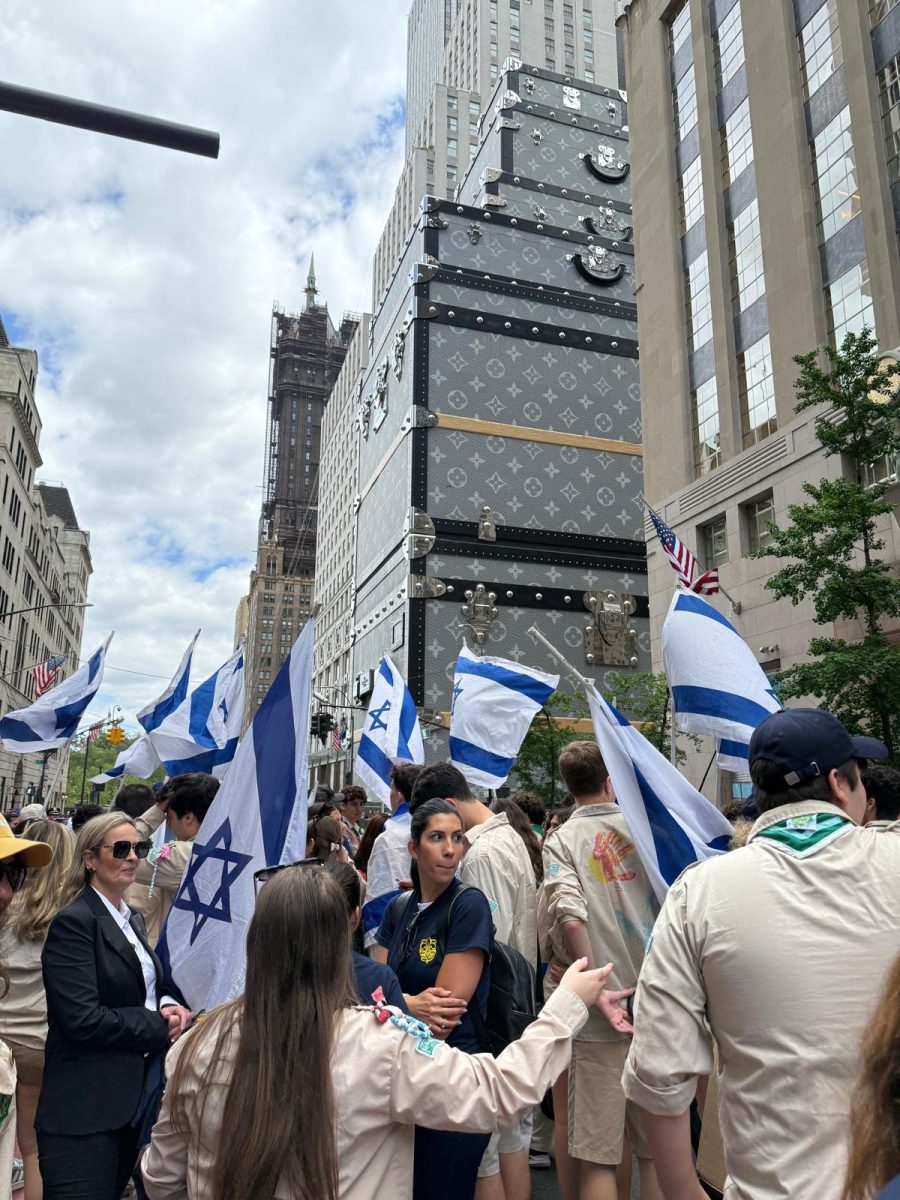
World leaders, like those in Azerbaijan and Australia accepted the deal, since it could allow for some peace in the region that has experienced war for years. Crowds gathered in Jerusalem and Tel Aviv amidst the announcements; some celebrated while others were a bit skeptical that the ceasefire would last. Despite uncertainty, people claimed that this was the most productive thing done since the conflict began.
As the ceasefire continued, Trump made his way to Jerusalem to address the Knesset, Israel’s parliament, and recited a speech that showed his determination to resolve the conflict, praising the country. “Israel, with our help, has won all that they can by force of arms,” President Trump said. “You’ve won. I mean, you’ve won. Now it’s time to translate these victories against terrorists on the battlefield into the ultimate prize of peace and prosperity for the entire Middle East. It’s about time you were able to enjoy the fruits of your labor.” Israel has been through countless obstacles in the Middle East; now, they might finally be able to attain some peace and tranquility.
In the days that followed, images of Israeli hostages surfaced as they reunited with their families and aid was coming into Gaza. The main question still remains: whether or not peace can remain.
The coming months will test whether the promises made in Sharm El-Sheikh and reaffirmed in Jerusalem can be fulfilled. Whether trust can be built from diplomacy and overcome years of hostility in the region. For the families of the hostages, this plan is more than just some global political intervention—it is a chance to finally close the darkest chapter in their families’ lives and grow. They have waited for two years in order to reunite and now this plan gives them the opportunity to do so. Trump’s plan for peace could allow for further progress to be made in the Middle East, giving the countries the chance to develop and form stronger alliances. Furthermore, this plan could possibly eliminate the challenges faced in that area of the world as well as the need for intervention from other countries.
Time will tell how the plan will develop and how it might affect the entire world.