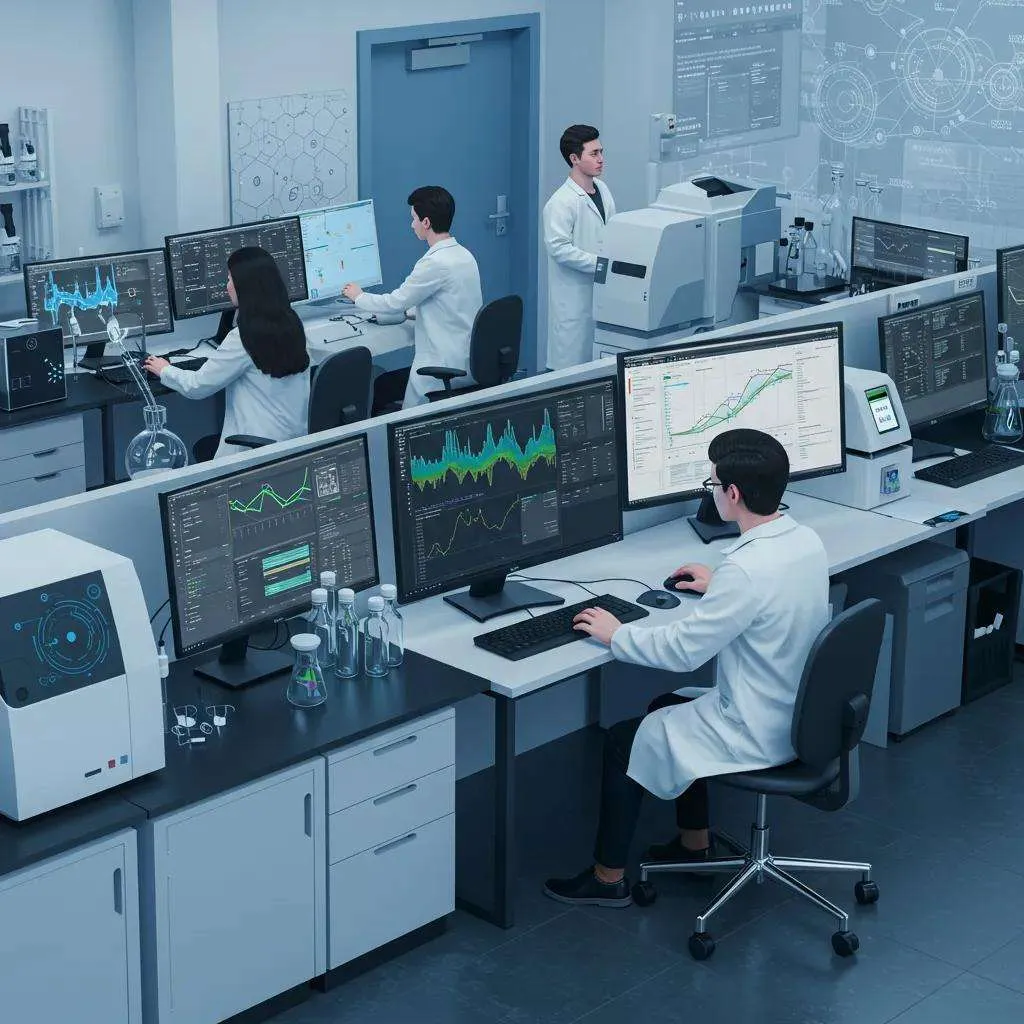
In 2024, the scientific world shook in a surprising way: artificial intelligence (AI) dominated the Nobel Prize. John J. Hopfield and Geoffrey E. Hinton received the Physics Prize for their inventions that enabled machine learning with artificial neural networks, while Google DeepMind CEO Demis Hassabis and researcher John Jumper earned the Chemistry Prize for their groundbreaking AI model, AlphaFold2, as an article from The Echo previously covered. Based on AI analysis, AlphaFold2 accurately predicts the shape of very large and complicated proteins based on the springs of molecules, a task that had stumped researchers for decades.
Since then, AI has only tightened its grip on the future of biotechnology. And now, another breakthrough may be on the horizon.
On January 28, researchers from DeepThink published their paper in the journal Nature unveiling AlphaGenome, a new AI system designed to decode the human genome with depth. If AlphaFold2 revolutionized protein science, AlphaGenome has the potential to do the same for genetics.
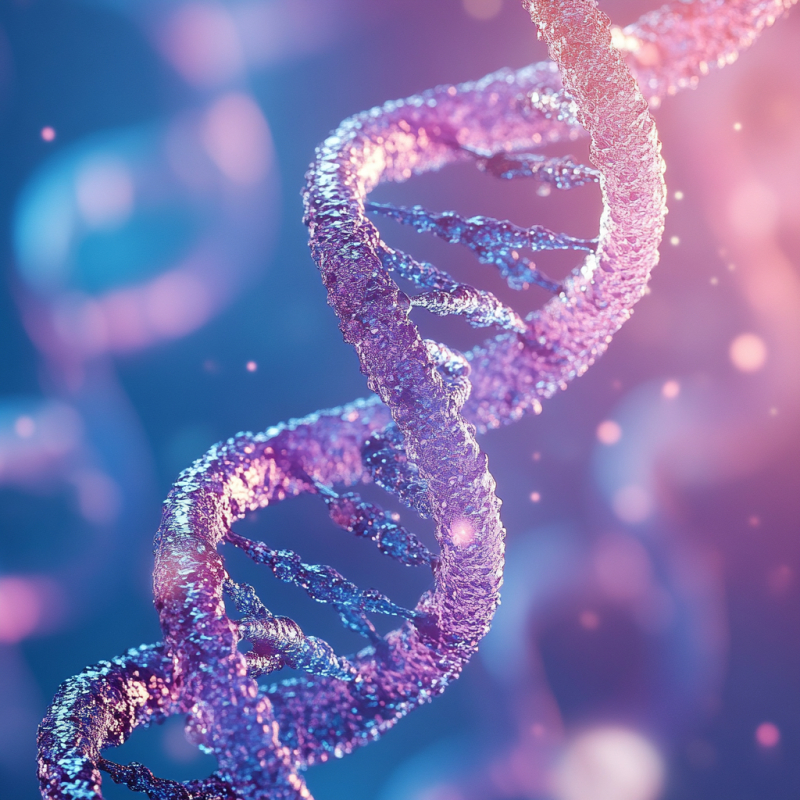
To understand why this matters, it is important to remember what the human genome actually is. According to the National Human Genome Research Institute, our human genome consists of around three billion base pairs of DNA, made from four chemical bases; A (adenine), T (thymine), C (cytosine), and G (guanine). However, only two percent of this massive sequence consists of genes that we code for proteins, which are the molecules that keep our bodies functioning. The remaining 98 percent has long been considered the “dark matter” of the genome: important, but poorly understood.
This is where AlphaGenome steps in.
Originally released in preview in June of 2025 for non‑commercial research, AlphaGenome was open-sourced as of January 2026 with the Nature publication. The tool can analyze DNA sequences up to 1 million base pairs long and predict how different regions regulate gene activity. It can also compare an original DNA sequence to a mutated one, showing how even a single change might alter biological function, according to DeepMind. These capabilities give AlphaGenome wide‑ranging potential as it can help identify which mutations cause disease and even pinpoint the origins of rare genetic disorders, which are tasks that normally take years of laboratory work, according to the BBC.
One of the most important tests AlphaGenome passed involved predicting a mutation linked to leukemia, according to The New York Times. A gene called TAL1 helps young immune cells grow, but it normally switches off once the cells mature. Scientists previously discovered that a mutation far from the TAL1 gene can keep it switched on permanently, which causes immune cells to grow uncontrollably. This disparity is known as the disease leukemia. In testing, AlphaGenome successfully predicted the harmful consequences of this mutation, showing its potential to accelerate cancer research.
Still, the tool is not without limitations. Scientific American notes that AlphaGenome currently works only on human and mouse DNA, which leaves out countless other species that geneticists study. Even DeepMind researchers acknowledge that the model is imperfect and susceptible to mistakes. Improving its accuracy and making sure it can clearly communicate its uncertainty will remain a major challenge for now.
As researchers continue to develop AlphaGenome’s capabilities, one thing is becoming clear: AI is beginning to drive scientific discovery rather than assisting it. AlphaGenome may not be perfect, and its limitations show that genetics is still a field full of unanswered questions. However, its ability to interpret long stretches of DNA and predict the consequences of mutations will change how scientists study the genome. If tools like AlphaFold2 reshaped molecular biology, AlphaGenome could do the same for human genetics, and open the door to earlier diagnoses, new treatments, and a deeper understanding of the code that shapes every one of us. The future of biotechnology may very well depend on how far this new generation of AI can take us.