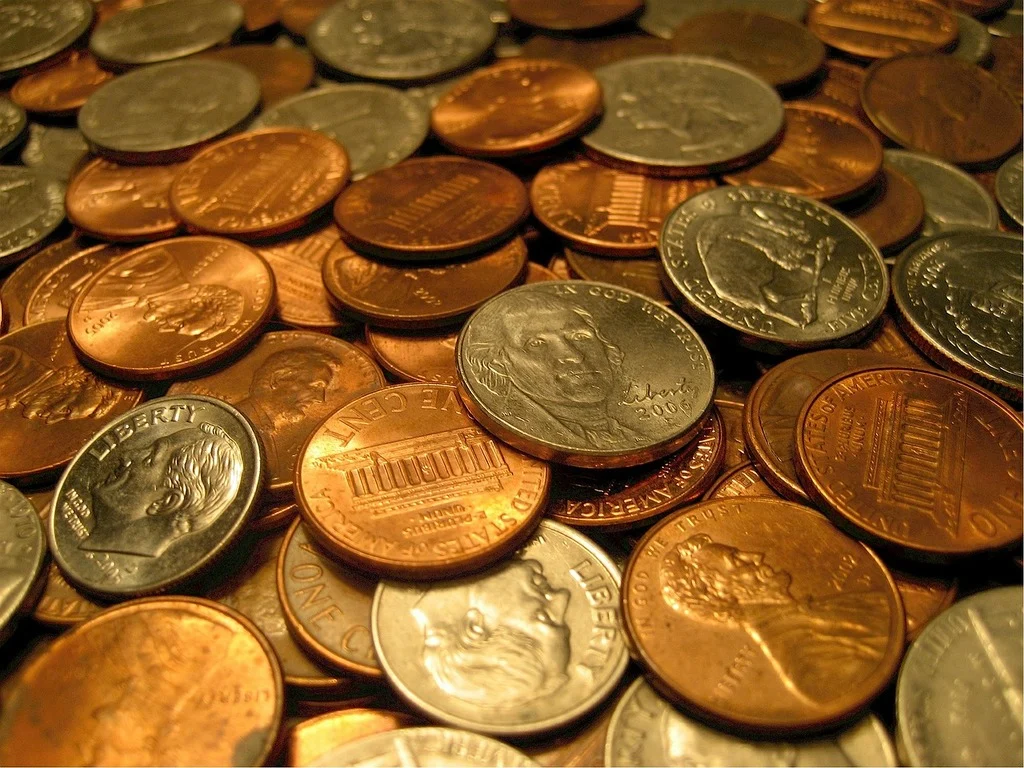
Say goodbye to collecting pennies for your piggy bank, finding lucky pennies in the street, and throwing pennies into fountains to make a wish, because on Wednesday, November 12, in Philadelphia, the final one-cent coin was manufactured, officializing the discontinuation of penny production, according to the U.S. Treasury Department. To commemorate the moment, the United States Mint held an official ceremony at the Philadelphia facility where State Treasurer Brandon Beach struck the final penny.
When the penny was first introduced in 1793, it played an essential role in the country’s economy, as pennies were used to purchase goods such as biscuits, candles, and candy; they were also often used to pay for parking meters, toll booths, and gumball machines. However, in this current age, the one-cent coin is usually found sitting in jars or junk drawers. According to CNN, each penny costs around 4 cents to manufacture. By ending the costs of penny production, Beach believes that they’re “going to save taxpayers $56 million.” Nonetheless, we haven’t seen the last of the reigning pennies: there are still billions of pennies circulating, and in this economy, they will continue as legal tender. However, freshly minted pennies are now nonexistent. The last pennies distributed were minted in June, and the ones produced recently will be sent to auction, according to CNN.
President Donald Trump ordered the coin’s discontinuation because he considers them to be obsolete and stated that “for far too long the United States has minted pennies which literally cost us more than 2 cents,” Trump wrote in an online post in February. “This is so wasteful!” he said, according to AP News. While expenses will be saved, it carries a negative connotation for retail workers because the manufacturing of goods declined, and they have to manage this sudden “phaseout” with no government instructions on how to handle transactions. Consequently, some business owners have agreed to round prices to the nearest nickel, which, in reality, is often one or two more pennies. Others are asking their customers to pay as much as possible with pennies to maintain a supply of them. This could be problematic in some states, as retailers may face legal problems for rounding their prices up or down, according to CNN. Ironically, the efforts to save money by discontinuing pennies are now discarded due to the necessity to mint a greater supply of nickels, which costs the US Mint even more than the penny production. Aside from the economic consequences this action has caused, it has also triggered strong sentimental value and nostalgia among Americans for collecting pennies out of amusement and luck. This isn’t the first country to discontinue low-value coins; Canada, Switzerland, and Australia have done so and provided guidance and an after-plan—the US not so much.
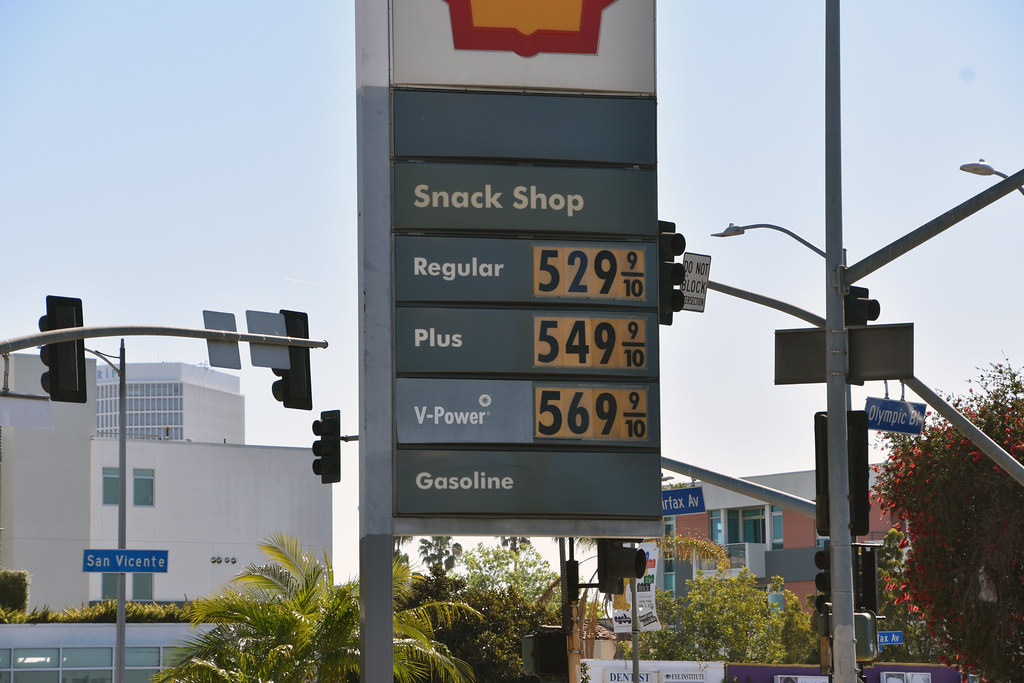
Rounding has become a major problem in this country because many retail stores, like Kwik Trip, a convenience store, feel that it is unfair to charge customers extra. In fact, rounding up to the nearest nickel will cost consumers about $6 million a year, according to a study conducted by the Federal Reserve Bank of Richmond. Meanwhile, customers who are now paying only in cash have been costly to retail workers. As a result, States like Delaware, Connecticut, Michigan, and Oregon, as well as various cities like New York, Philadelphia, Miami, and Washington D.C., require businesses to provide exact change. Potential legal difficulties interfering with price rounding have made it extremely complicated for all businesses.
With the holiday season approaching, who knows what awaits us when holiday shopping for our loved ones, but because it is becoming more and more rare, maybe think of giving a penny as a gift. So hold on tight to your piggy banks and penny jars because as the years progress, they will become history.