






















































































































































The emergence of a rare hantavirus cluster tied to an Antarctic cruise ship has triggered a remarkable reaction in modern media ecosystems: a frightening disease with a high fatality rate, dramatic international headlines, and public memories still shaped by the trauma of COVID-19. But epidemiologists say that such an intense reaction surrounding the outbreak reflects the powerful incentives—psychological, political, and financial—that can drive institutions and individuals to amplify rare health threats beyond their statistical reality.
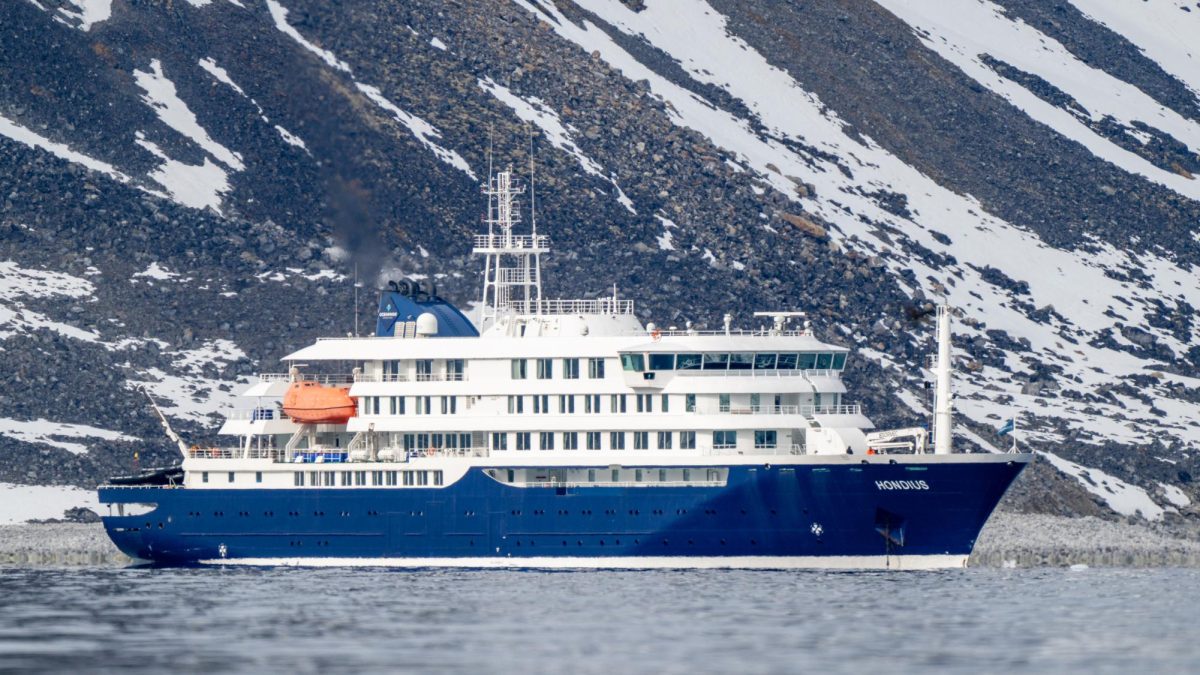
The outbreak first gained global attention after multiple passengers aboard a Dutch-operated expedition vessel became ill during a voyage from Argentina across the Southern Atlantic. According to the WHO, six confirmed cases of Andes hantavirus have been linked to the ship with a further two suspected. Three passengers, including a Dutch couple and a German, have died.
From the beginning, however, medical officials emphasized that the outbreak differs fundamentally from highly contagious respiratory pandemics such as COVID-19. Hantaviruses are typically spread through exposure to infected rodent urine, saliva, or droppings rather than through casual airborne contact between people. The strain identified aboard the MV Hondius—the Andes variant—is unusual because it is one of the only hantaviruses known to spread through prolonged close human contact under limited circumstances. Even so, health officials repeatedly stated that the risk to the general public remains low.
Despite these repeated efforts at accurately informing the public, the new outbreak has been subject to intense speculation and misinformation online that finds its roots in the all-too-recent Covid-19 pandemic. Across social media platforms, users compared the situation to the beginning of the coronavirus pandemic, with some posts questioning whether governments were concealing the true severity of the outbreak. Any outbreak involving quarantines, international monitoring, or a deadly virus now carries the potential to trigger disproportionate fear, even when the epidemiological realities are far different.
The imagery surrounding the outbreak also contributed heavily to public anxiety. Reuters photographs showed passengers disembarking in protective gear while medical teams in hazmat suits prepared evacuation procedures on the tarmac in Tenerife. Governments coordinated repatriation flights, quarantines, and isolation plans for passengers returning home, creating scenes that closely resembled early pandemic responses from 2020.
Some headlines also amplified concern by focusing heavily on the virus’s fatality rate. Several reports described the Andes strain as having a mortality rate approaching 40 percent in severe cases, language that spread rapidly online. Infectious disease experts caution, however, that the severity of a disease should not automatically be confused with the likelihood of widespread transmission. While hantavirus infections can be deadly, they are also extremely rare. In the United States, fewer than 900 confirmed hantavirus cases have been recorded since surveillance began in 1993.
Health officials argue that the aggressive international response reflects caution rather than evidence of an uncontrollable outbreak. Governments across Europe and North America coordinated evacuations and quarantine protocols largely because institutions remain under immense pressure not to repeat mistakes associated with delayed COVID-19 responses. Reuters reported that the CDC classified the outbreak as a low-level emergency activation and arranged government-assisted transport and quarantine facilities for American passengers returning from the ship.
Meanwhile, researchers continue investigating how the outbreak began. Reporting from multiple outlets suggests the likely “patient zero” was Dutch ornithologist Leo Schilperoord, who may have contracted the virus while birdwatching near a landfill site in Argentina before boarding the vessel. Authorities believe the infection was introduced onto the ship before the voyage was fully underway.
The outbreak has also reignited broader debates about Antarctic tourism and whether expedition cruises operating in remote regions require stricter oversight. Reuters noted that the incident emerged just before international discussions in Japan regarding stronger regulations for tourism in Antarctica, where emergency medical responses can become significantly more complicated because of distance and isolation
Even as global attention surrounding the outbreak continues to grow, the scientific consensus remains relatively restrained. Public health authorities continue to characterize the broader threat as limited, and no evidence currently suggests sustained widespread transmission beyond close-contact exposure scenarios. For epidemiologists watching the public reaction unfold online, the MV Hondius outbreak has become not only a case study in infectious disease management, but also an example of how quickly fear can expand in a post-pandemic world shaped by social media, political pressure, and collective memory.