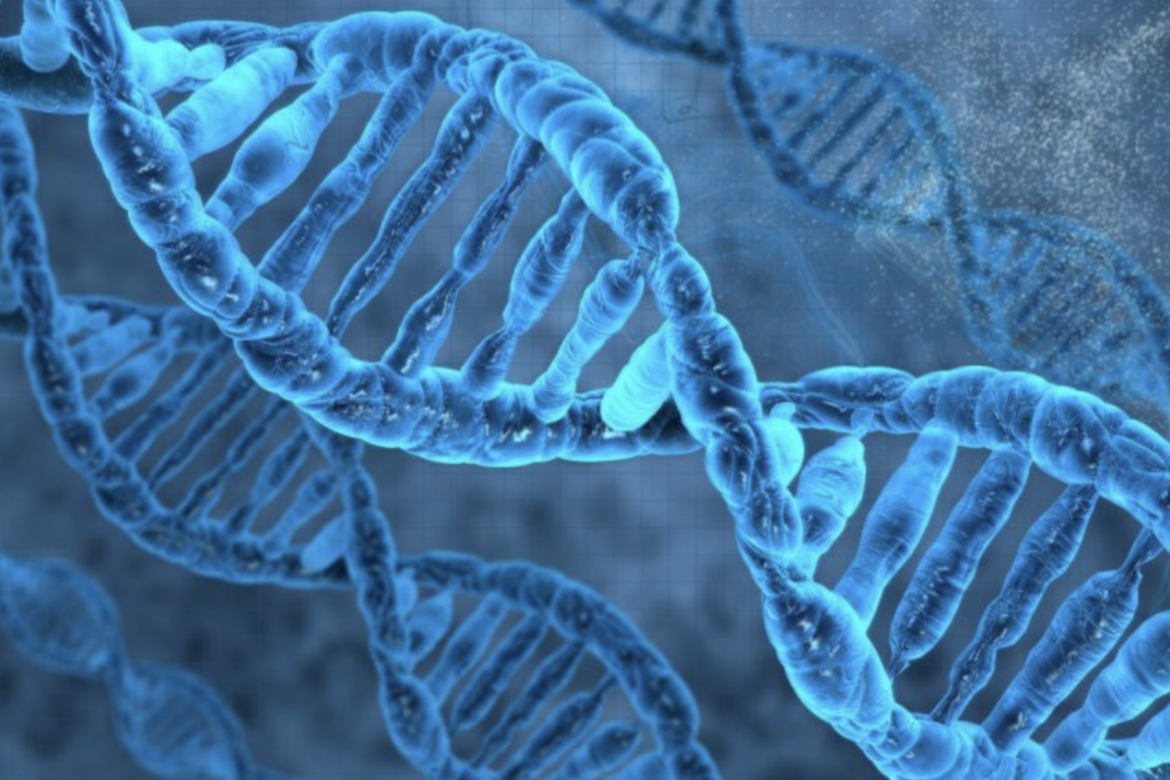
When scientists were able to reconstruct the genome of LUCA, the Last Universal Common Ancestor, using modern bioinformatics, they expected something simple and primitive. But what they got was something surprisingly complex. According to Zmescience, “They didn’t find ‘a primitive, half-formed stutter of life…they found ‘a fully functioning cellular machine,’” biologist Douglas Densmore said. LUCA had DNA, ribosomes, and a metabolism. It was already sophisticated.
This was a huge problem. If LUCA was already so advanced, then the actual origins of life had to have occurred well before LUCA had ever existed.
But how do you study something that existed before the oldest known ancestor?
The answer may lie in a rare genetic phenomenon called universal paralogs. These are special genes that duplicated themselves before LUCA. Usually, when scientists create an evolutionary “family tree” for genes, it all leads back to LUCA. But occasionally, a gene will duplicate itself in an organism that lived before LUCA. When LUCA finally evolved, it inherited both copies. These copies were then passed down to almost all life forms, from bacteria to humans.
Due to both copies of the gene existing today, scientists can compare them. This is like a molecular time machine. “The history of these universal paralogs is the only information we will ever have about these earliest cellular lineages,” Geobiologist Gregory Fournier said. This means that these genes may be the only evidence we have of life before LUCA.
According to Phys, Biologist Aaron Goldman said that while LUCA is “the most ancient organism we can study with evolutionary methods,” some of the genes within LUCA’s genome were much older than that. This means that some of our own DNA may contain a history of life that lived billions of years before we thought life began.
Expectedly, early life was not as specialized as it is now. Modern proteins are very specific. Each one is designed to do a specific thing. But ancient proteins were different. They were more versatile and less finicky. For instance, two modern proteins have different jobs in the process of making proteins. However, when scientists went back and reconstructed their common ancestor from before LUCA, they found that it probably could do both; It was a generalist.
The same thing was true for the enzymes that added amino acids to proteins during protein synthesis. In the world of pre-LUCA, these enzymes did not have a clear distinction between similar amino acids. They were more “sloppy,” but this may have been what allowed early life to thrive in such an unpredictable environment.
Another huge finding answers a question that has long been debated: Did life begin within cells, or as a kind of loose chemistry floating around freely?
The universal paralogs seem to provide the answer to this question. Many of these ancient genes are related to membrane function, specifically to the transport of proteins across membranes. The scientists at Zme wrote, “Proteins related to the function of the membrane itself indicate that cellularity was indeed present at this time.” In other words, life before LUCA already had cell membranes. It was already divided into separate cells.
But even more amazing, researchers are now reconstructing some of these ancient proteins in the lab. By tracing universal paralogs, researchers can link the earliest beginnings of life to modern science. Using artificial intelligence software that can predict protein structures, scientists are not only picturing life in the early universe, they are also starting to replicate it.
This work not only extends the timeline of life. Rather than life appearing fully formed, it shows a long process of trial and error, where general-purpose proteins evolved into the specialized systems we have today.
In a sense, our own cells may be holding secrets from a time when life itself had not yet begun.