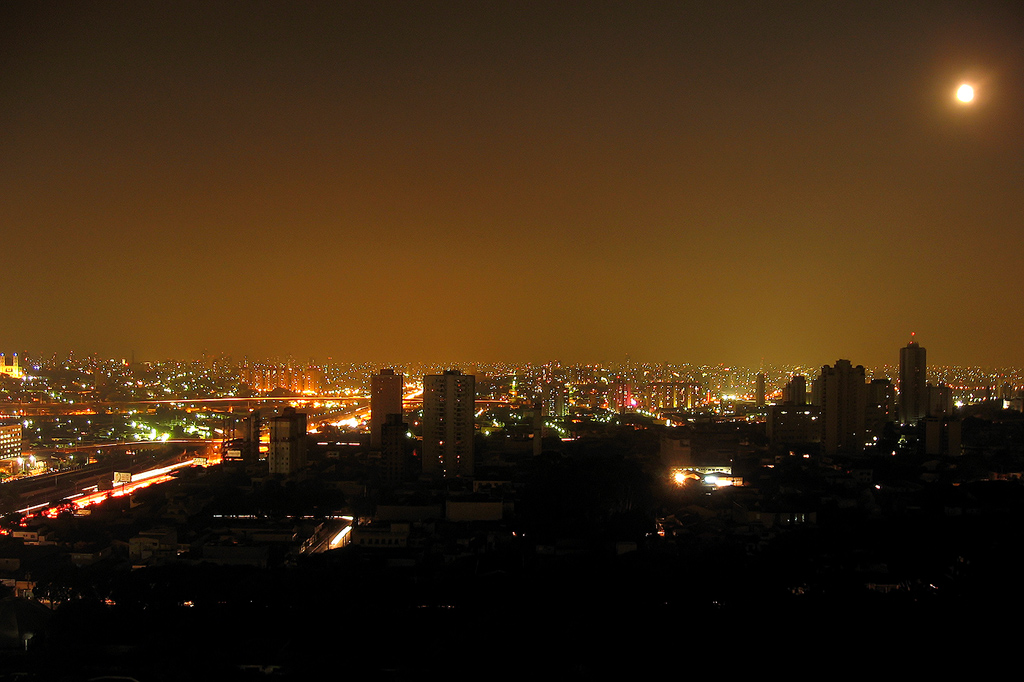
On Monday, Cuba underwent one of the worst blackouts in its history, lasting over 29 hours. Over 10 million people, nearly the entire population of the nation, were left in darkness as electricity went out throughout the night, highlighting the energy crisis perpetuated in Cuba by ongoing geopolitical tensions and U.S. policies. It wasn’t until 6:11 p.m. the following day that the national power grid returned to Cuban citizens, according to Reuters. Although most areas received returning light, in other parts of the country, the crisis is far from over. For the majority of the nation, Cubans continue to be plunged into destitution under scarce resources, periodic blackouts, and uncertainty over their future.
Most of these blackouts in Cuba are caused by fuel shortages in the nation, which are exacerbated by the ongoing tensions between the United States and multiple countries worldwide, including Venezuela. As in many other countries, Cuba’s electricity is supplied through oil, and historically, Cuba has received a large portion of this oil source from Venezuela (around 50% at the start of 2026, according to Al Jazeera). However, as the United States notably raised tariffs on all countries buying Venezuelan oil in early 2025, it has been harder than ever for Cuba to import this critical fuel source.
Cuba received further pressure from the United States as the U.S. continued to impose oil blockades on the island nation. On January 29th, 2026, U.S. President Donald Trump signed an executive order stating that any nation providing oil to Cuba will face higher tariff rates–a clear threat warning other nations from aiding Cuba’s energy sources. This policy has persisted for weeks since January, as the United States seems to have no thoughts of reversing its blockade. Trump has frequently called Cuba a “failing nation” on multiple occasions when asked about their energy crisis, encapsulating his well-known, meager view of the nation. Back in Cuba, many locals find President Trump’s tariff policies to be deeply heartless, as they directly harm a nation that has suffered through uncertainty and scarcity for years.
With these adverse measures imposed by the United States, Cuba has inevitably been forced to generate its own power source from within the nation. However, attempting to produce a nation’s total energy supply domestically is undeniably difficult. Cuban President Miguel Díaz-Canel stated earlier last week that the nation’s internal production has not been sufficient to meet demands during talks with U.S. government members. “The impact is tremendous … without energy, no country can produce at a normal level,” he told them, according to Courthouse News Service. President Díaz-Canel has frequently condemned Trump in the past, including during the capture of Nicolás Maduro and Trump’s ongoing desire to take over Cuba. On March 16th, Trump even told reporters that he would have the “honor” to take over Cuba, according to The New York Times.
Although this month’s blackout was more drastic than previous ones in Cuba, the issues surrounding the nation have been incessant for years. In 2024, Cuba experienced frequent power outages due to fuel shortages and aging infrastructure. A total nationwide blackout even occurred on October 18th, leaving citizens in fear and anger without a clear response from its government, according to an article from Al Jazeera in December 2024. At that time, many locals complained that the nation is too fragile and that its electricity system is too prone to failure. The same problems seem pertinent today.
The most recent blackout is a clear representation of Cuba’s ongoing energy crisis. Unless significant policies are enacted to aid the nation from total failure, Cubans may continue to be stuck in a limbo of fear, hunger, and doubt without a clear message from their government and incessant cases of energy shortages. Without significant international or internal reform, outages like this could become a harsh reality of daily life for Cubans.