





















































































































































As a toddler, I hated peas. My parents wouldn’t let me leave my high chair until I finished my entire meal, the peas (unfortunately) included. When my parents weren’t looking, I would hide the peas under my butt and pretend that I had eaten all of them. But once all the food on my plate was finished, my parents would pick me up only to find that my diaper had been stained green with pea mush. Thankfully, my tastes have changed. This isn’t an individual problem, as many kids face the same stories of pickiness. Across the US, it is standard that children tend to like the same, narrow choices of food—items like ice cream, chicken nuggets, and Happy Meals. So what exactly caused American children to become picky eaters?
Many people think that picky eating is a natural part of growing up. There is some truth to this belief. Early humans needed caution when foraging because eating the wrong plant could be deadly. Additionally, neophobia, the fear of trying new things, is widespread in the animal kingdom as a vital survival tool. However, this fear should be easily overcome once a parent demonstrates that a new food is safe to eat. In addition, Helen Zoe Veit, a Michigan State University professor of history and author of Picky: How American Children Became the Fussiest Eaters in History, notes in WBUR that “the mass childhood pickiness that emerged in the United States in the mid 20th century [had never] existed before in the history of our species.” So, while people may think it’s okay for children to develop more sophisticated tastes later on, the amount of pickiness seen today in America surpasses that of the biological standard.
In the past, children would typically be seen having the same meals as their parents—plates full of diverse assortments of meats and vegetables. At mealtime, the whole family would sit at the dinner table, enjoying quality food and conversation. In fact, both wealthy and less well-off children were widely open to trying new foods and vegetables.
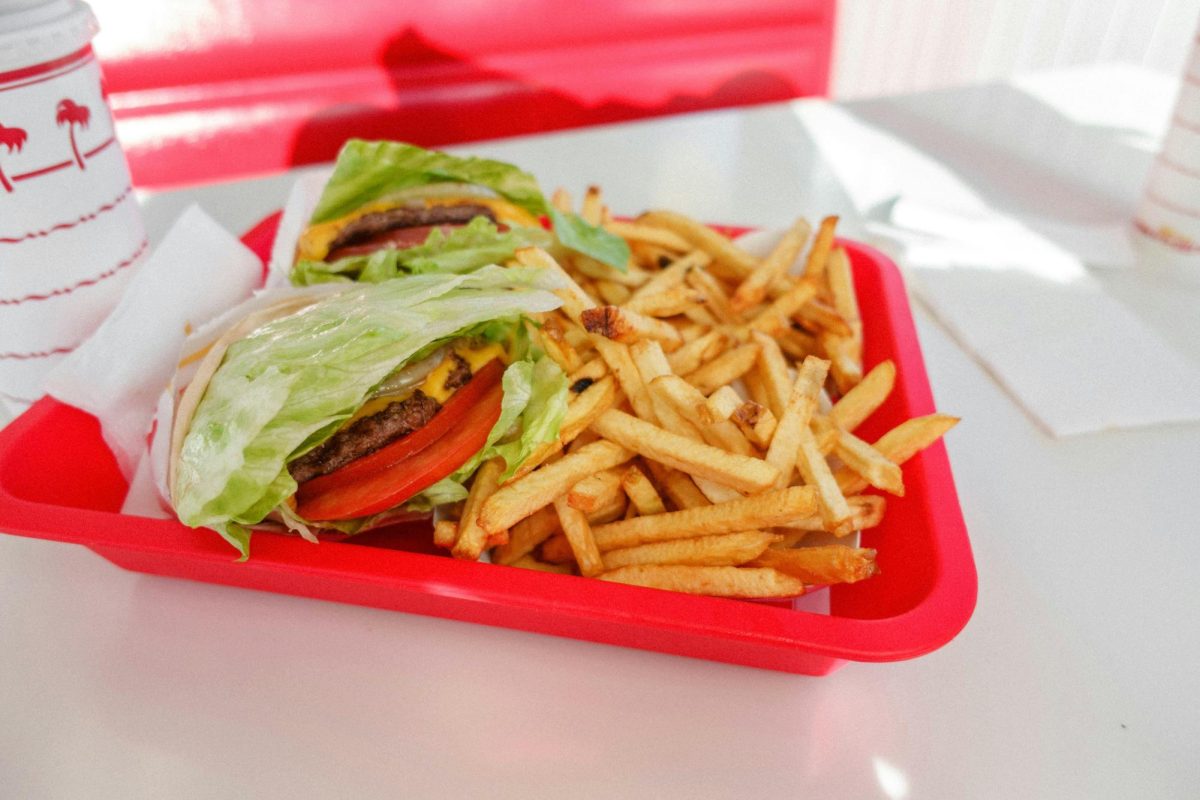
This began to change in the mid-20th century with the rise of ultra-processed food and child-focused advertising. Food companies used adorable animations and catchy jingles to try to capture kids’ attentions, who, in hopes, would tell their parents to add it to their grocery lists. According to an article on The New York Times covering the rise of ultra processed foods, “Elementary school students spent more time in front of the TV than in school, viewing thousands of commercials for sugary cereals, candies and fast foods every year.” Companies like Kraft and General Foods, marketed foods as “child pleasing,” subtly suggesting that vegetables and home-cooked meals were things that kids naturally hated. Instead of encouraging children to adapt to family meals, these advertisements taught parents to adapt to children’s cravings. All of this contributed to ideas that are central to picky eating; bad snacking habits, kid-friendly meals, and a change in meal culture as a whole.
Snacking habits also played an important role. In the past, children were generally more active and snacked less throughout the day, leading them to feel extra hungry before meals. It is common advice to never go to a supermarket hungry because everything starts to look good. The same thought process applies to new foods looking more appetizing to hungry children. Additionally, nowadays, the “majority of adolescents worldwide are not sufficiently physically active,” as stated in a study led by the World Health Organization. On top of children being less active, snacking is also much more common today due to the rise of shelf-stable food options. With snacks constantly being available at a moment’s notice, children consume snacks more often than ever before. Therefore, a combination of less exercise and more snacking has resulted in reduced appetites at mealtimes.
The idea that children are picky eaters has become ingrained in society to the point that it is now normal, further fueling the picky-eating epidemic. According to The New York Times, “While genetically controlled factors may account for some taste aversions, cultural influences clearly play a more obvious role. Anthropologists have found that food preferences are among the most stable of cultural traditions.” Just as certain foods are normalized in some cultures and rejected in others, American culture increasingly normalizes sugary, processed “kid foods” and antagonizes vegetables. As a result, if your child is a picky eater, it is likely not your fault but instead a consequence of a society that pushes ultra-processed foods and poor eating habits. For generations, children ate the same foods as the rest of their families without needing kids’ menus or brightly packaged snacks to convince them. Keep in mind that the best way to combat picky eating is with patience and persistence in trying new foods. If society created picky eating, society can also change it.