
























































































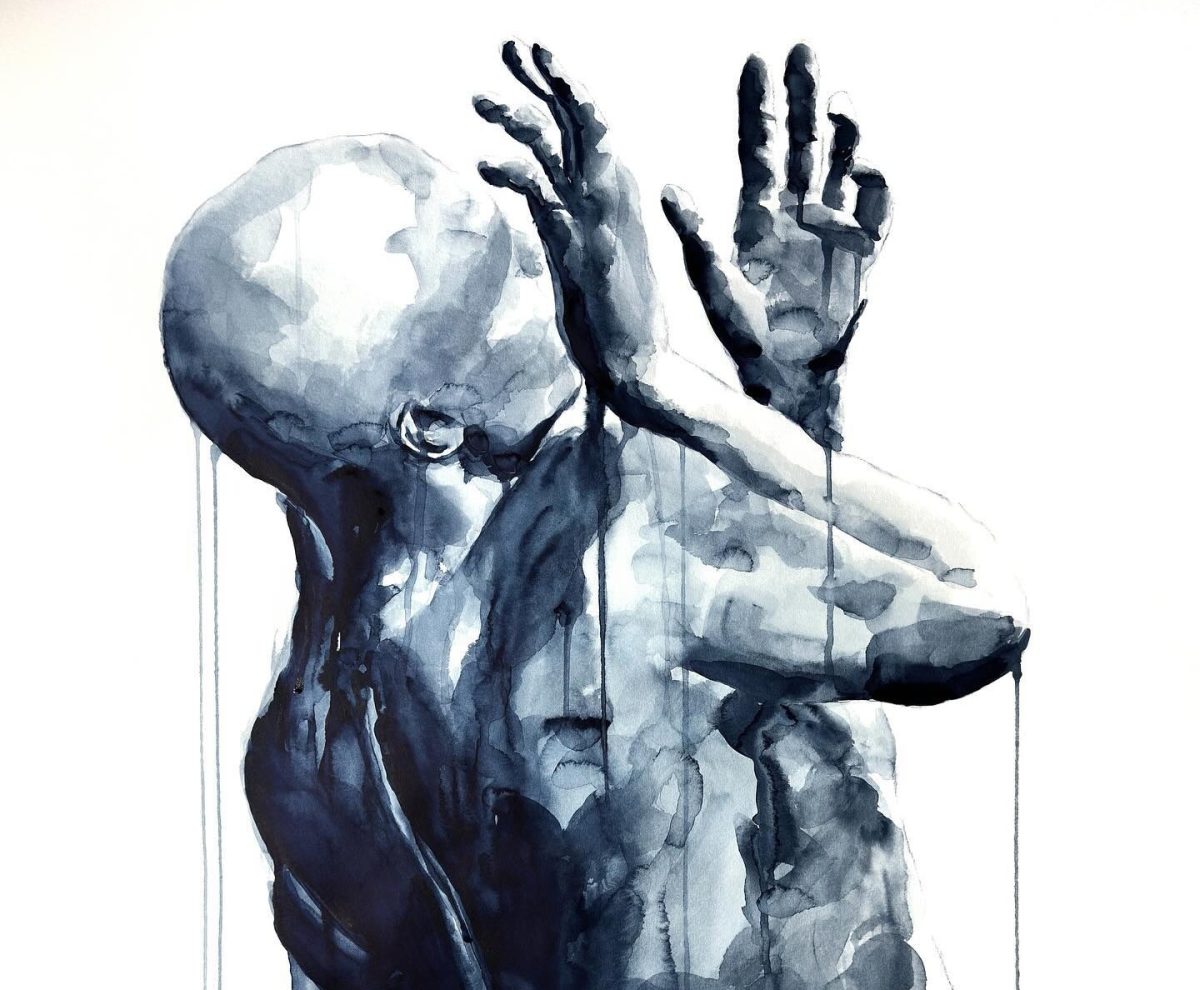























































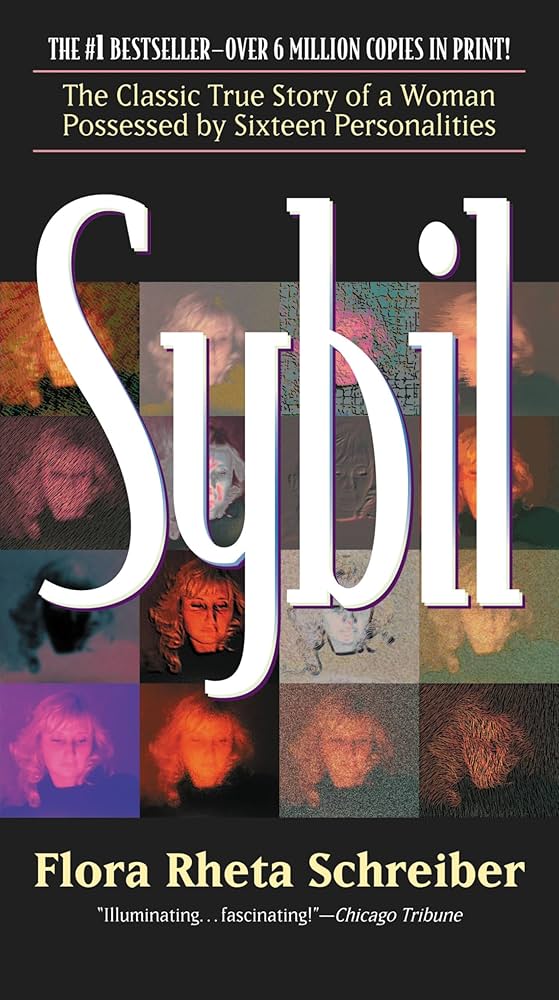
In late 1973, a book took the world by storm. Society was introduced to a woman named “Sybil”, who allegedly possessed 16 distinct personalities that stemmed from horrific childhood abuse and experiences. The book was a bestseller for more than a decade, and it revolutionized the field of psychiatry itself. It was the leading factor in the introduction of Multiple Personality Disorder (MPD), now called Dissociative Identity Disorder (DID).
There was only one problem: it was all a lie.
Decades later, investigations and the unsealing of medical records revealed the truth. Shirley Mason, the real Sybil, had explicitly admitted to her therapist, Dr. Cornelia Wilbur, that her multiple personalities were entirely false—essentially, a desperate bid for attention and sympathy. Wilbur had kept Mason under the influence of drugs and hypnosis sessions, trying to ingrain the clashing identities within the woman to gain more information for her publication. At the time, Wilbur pushed the diagnosis forward regardless of Mason’s pleas and explanations. The story of Sybil is a sobering one, and it reflects one of humanity’s most apparent flaws: our terrifying, universal gullibility.
When examining the Sybil hoax, we see a perfect loop of human susceptibility, starting at the very top with the professionals we trust to guide us. Dr. Cornelia Wilbur and the book’s author, Flora Rheta Schreiber, were blinded by the most intoxicating of human vices: greed and the allure of fame. Wilbur was an ambitious psychiatrist looking to make a groundbreaking mark in her field, and Schreiber was a journalist hunting for a career-defining story. When Mason confessed via letter that she had made up the personalities to secure Wilbur’s affection and care for her, Wilbur dismissed the truth. She actively chose to steer her patient back into the delusion, however distressing it may have been for “Sybil.” Why? Because the truth is often quiet, complicated, and unprofitable. A woman with 16 personas, however, is nothing short of a goldmine. Their gullibility was a product of willful blindness; we believe what we want to believe because we fear the alternative will cost us too much.
Then there was Sybil herself, caught in a trap of her own making, vulnerable to a different kind of human weakness: complacency and the desperate need for support. Mason was a deeply troubled, lonely woman who entered therapy initially to seek help for her anxiety. She likely realized that when she behaved normally, she was just another patient. But when she exhibited unique “alters,” she received Dr. Wilbur’s undivided attention, warmth, and maternal care. She became gullible to her own perceived comfort. Complacency set in: as long as she played the part, she was safe, cared for, and important. Sybil is not the symbol of MPD, but a haunting reminder to us of how easily we can trick ourselves into living a lie if that lie provides us with a safety net.
But perhaps the most chilling aspect of the Sybil phenomenon is how the rest of society fell in line; as a collective, we have a terrifying capacity for gullibility. Before the release of the book and the subsequent movie in 1976, MPD was an exceedingly rare diagnosis. Afterwards, it became an epidemic. Thousands of people suddenly began presenting with multiple personalities; therapists, talk-show audiences, and the general public eagerly adopted the disease.
Society was, and still is, gullible to sensationalism, regardless of whether it is built on fact or fiction. We are a species hardwired for narrative, and a story as gripping and tragic as Sybil’s bypasses our critical thinking entirely. People began interpreting their own standard emotional distress, loneliness, and unresolved traumas through the lens of this new diagnosis. If Sybil had multiple personalities, then perhaps their own internal conflicts meant they had them too. The medical community and the public at large jumped onto the bandwagon with almost no resistance; they proved that when a lie is wrapped in enough glamour, society will willingly embrace it.
The exposure of Sybil’s hoax is a cautionary tale, and it extends far beyond the realm of psychoanalysis. It’s a case study that shows how easily the truth can be obscured when human vulnerabilities align. We like to think of ourselves as rational beings incapable of such gullibility, but history has proven that we are fragile, vulnerable to the greed of status, the complacency of comfort, and the intoxicating delusion of a shared culture.
The real tragedy of Sybil isn’t that a vulnerable woman was exploited and a medical diagnosis was manipulated for profit. The tragedy is that, even decades later, despite our claims of human innovation and ingenuity, we are no less gullible. We still buy into the sensationalized stories peddled by modern influencers, profit-driven media, and cultural trends. The truth about Sybil, uncovered in 2011, should have taught us to question the stories that seem too perfectly tragic or neatly packaged to be true. Instead, the case remains a symbol of our gullibility and our willingness to believe almost anything, as long as it is able to entertain, feed our ego, or give us a place to “belong.”