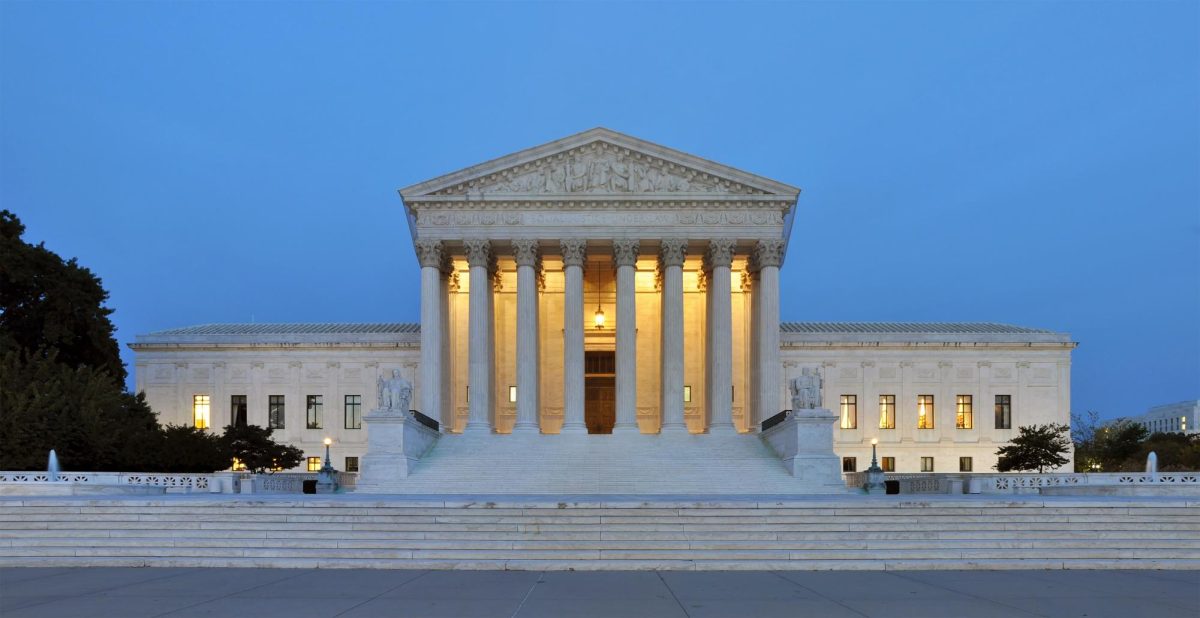
On Wednesday, April 1, the Supreme Court heard oral arguments in Trump v. Barbara, the birthright citizenship case that puts the legal status of many Americans at issue. Challenging a January 2025 executive order that sought to end automatic US citizenship for children born to undocumented parents or those on temporary visas, the hearing marked a long-awaited moment for citizens nationwide.
Trump’s initial attempt to end birthright citizenship was during his first term, but his proposal failed to earn enough support to enforce. Immediately after returning to office for his second term, he signed the executive order—Protecting the Meaning and Value of American Citizenship—on his first day.
According to The New York Times, the hearing revealed that Trump’s executive order is most likely to be overturned. A majority of the justices expressed that the order was unlawful, “whether because it violates an immigration statute Congress enacted in 1940 and updated in 1952, the citizenship clause of the 14th Amendment, or both.”
The 14th Amendment is a fundamental part of the Constitution that states the citizenship clause, specifically that “All persons born or naturalized in the United States, and subject to the jurisdiction thereof, are citizens of the United States and of the state wherein they reside.” As the framers of the amendment viewed it, all children except those of most Native tribes, ambassadors, and those born on lands captured by an invading army would be lawful citizens of the US. The line was written as part of an indisputable decision, meant to prevent any future arguments regarding the issue of American citizenship.
One concern regarding Trump’s challenging of the 14th Amendment is rooted in the fact that many US cases throughout history have depended on interpretations of the citizenship clause, and thus the order feels like a reversal. For example, the Supreme Court addressed the clause in the 1898 case of US v. Wong Kim Ark, during an era marked by decisions such as Plessy v. Ferguson and growing restrictions on minority groups. In Wong Kim Ark, the Court ruled that a child born in the US to Chinese immigrant parents was a citizen by birth, reinforcing the protections of the citizenship clause.
As these historical precedents were considered, several justices raised concerns during the recent hearing about how the executive order could be enforced in practice. Justice Amy Coney Barret questioned whether infants with unidentifiable parents would be considered US citizens or not, The New York Times reports. Similarly, Justice Sonia Sotomayor argued that the request of Sauer—who defended the order—to rule “prospectively” had no subsistence.
“You asked us to concentrate only on the prospective nature of the executive order, but the logic of your position, if accepted, is that this president, or the next president, or a Congress, or someone else, could decide that it shouldn’t be prospective,” she stated. “There would be nothing limiting that, according to your theory.”
As similar arguments continued to pile up, it became clear that the tables had turned. But in reality, major changes have already been made to the print of law. Much of that shift stemmed from a closely related legal battle that came into the spotlight last spring, as the Supreme Court reviewed whether, under the Judiciary Act of 1789, federal courts possess the right to issue nationwide injunctions. Just a few months later in June, the Supreme Court limited the ability of lower-court judges to stop executive branch policies, as stated in The New York Times. While it did not directly determine whether Trump’s birthright citizenship order itself was lawful, many states were made able to potentially enforce Trump’s order and end birthright citizenship.
Outside of how it affected the executive order, broader effects of the June ruling remained significant. Lower federal judges lost much of their authority to block questionable policies instituted by the executive branch, leading to an imbalance of power. Put simply, this leaves the checks and balances system at risk, potentially weakening the structure that has long allowed the American government to stay fair and just.
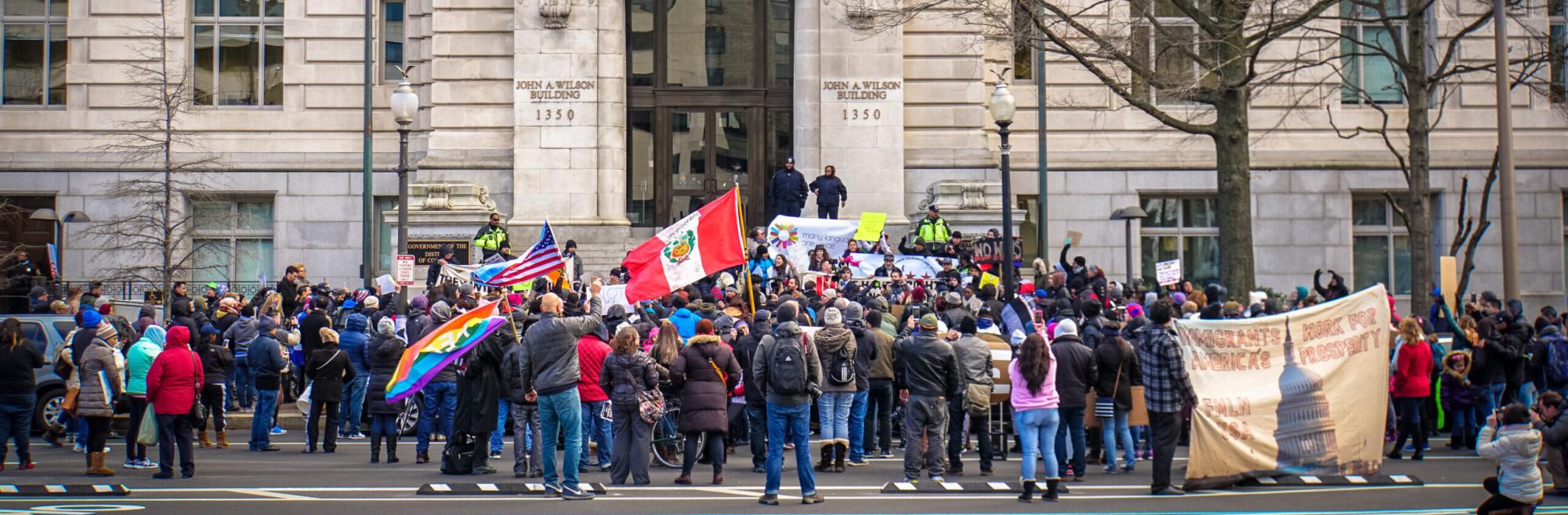
Although the birthright citizenship order appears unlikely to stay, it is not to say that the status of immigrants in the US is any less under threat. The attempt to challenge birthright citizenship reflects the recent US climate in which deportation efforts have strengthened, leaving the status of many immigrant communities uncertain. Even if this particular order is overturned, questions surrounding the rights and treatment of immigrants are likely to remain central in future political discussions. As for now, the only thing that can be done by immigrants hoping for a favorable outcome is to wait for the final decision to be made.