
































































































The brain is a labyrinth of astonishing intricacy, a living constellation comprising billions of neurons flickering in silent communication. Buried deep within its folds lies the architecture of thought itself where memory, emotion, and reason snake together. Every idea is born from a storm of impulses—a thousand unseen connections sparking across synapses like lightning on a far-off, microscopic horizon. Governing both the tangible and the intangible, the brain weaves both into the fabric of what it means to be alive. Yet, despite the truths that this organ holds, the brain remains vastly unknown.
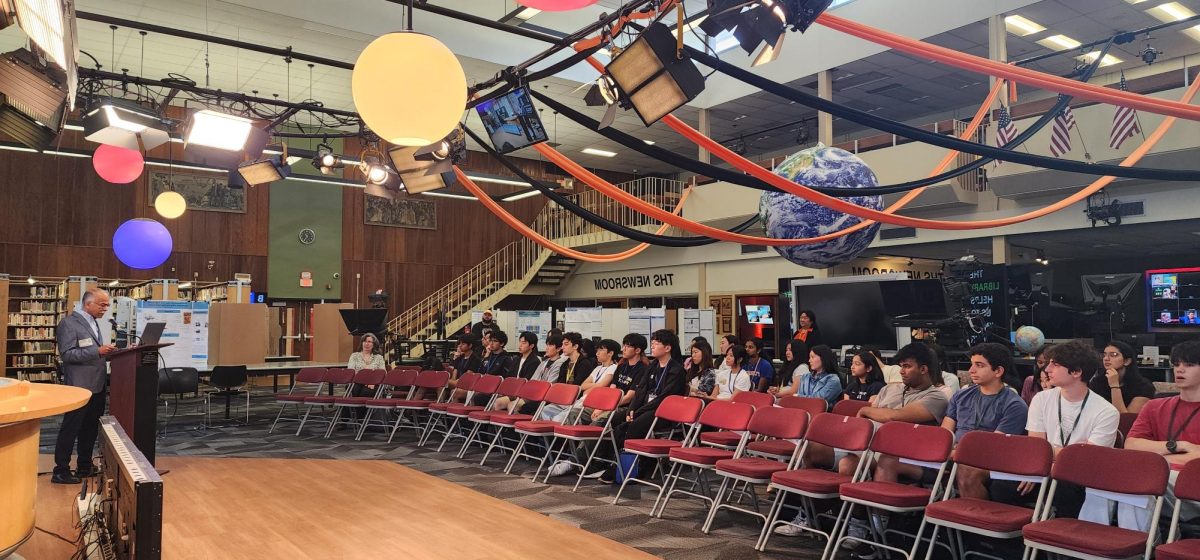
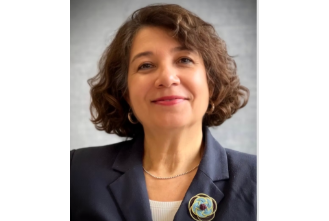
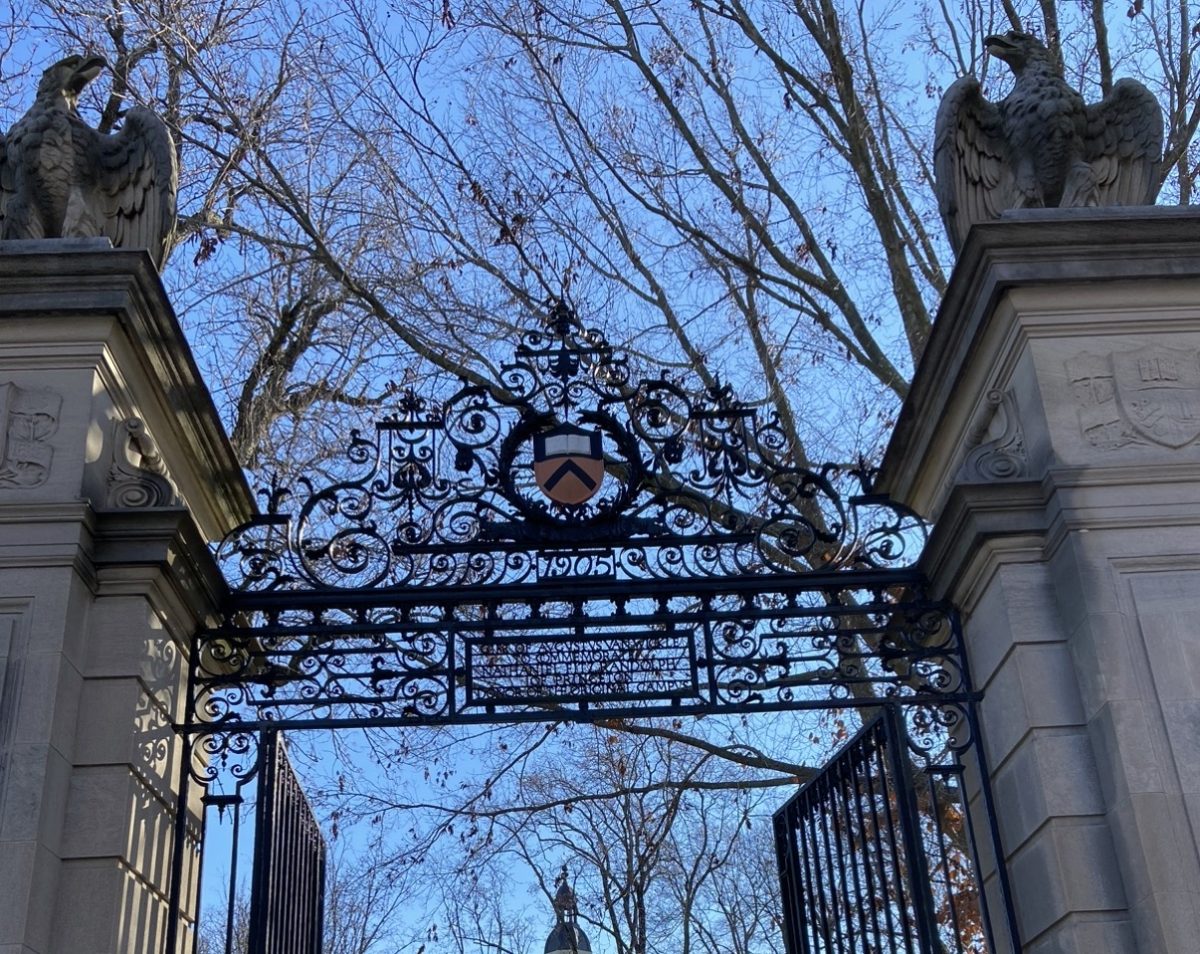
This mystery is what drives researchers to untangle the network of neurons. On October 29, Arie Matsliah was invited to share his journey with the Science Research classes. Matsliah is both a Tenafly parent and a research scientist in Connectomics at Princeton University. Receiving his schooling at the Israel Institute of Technology, his work has revolutionized neuroscience at the crossroads of computer science and biology. Matsliah and his team study how patterns of neural activity translate into behavior, decision-making, and perception, bridging the gap between biological structure and cognitive function.
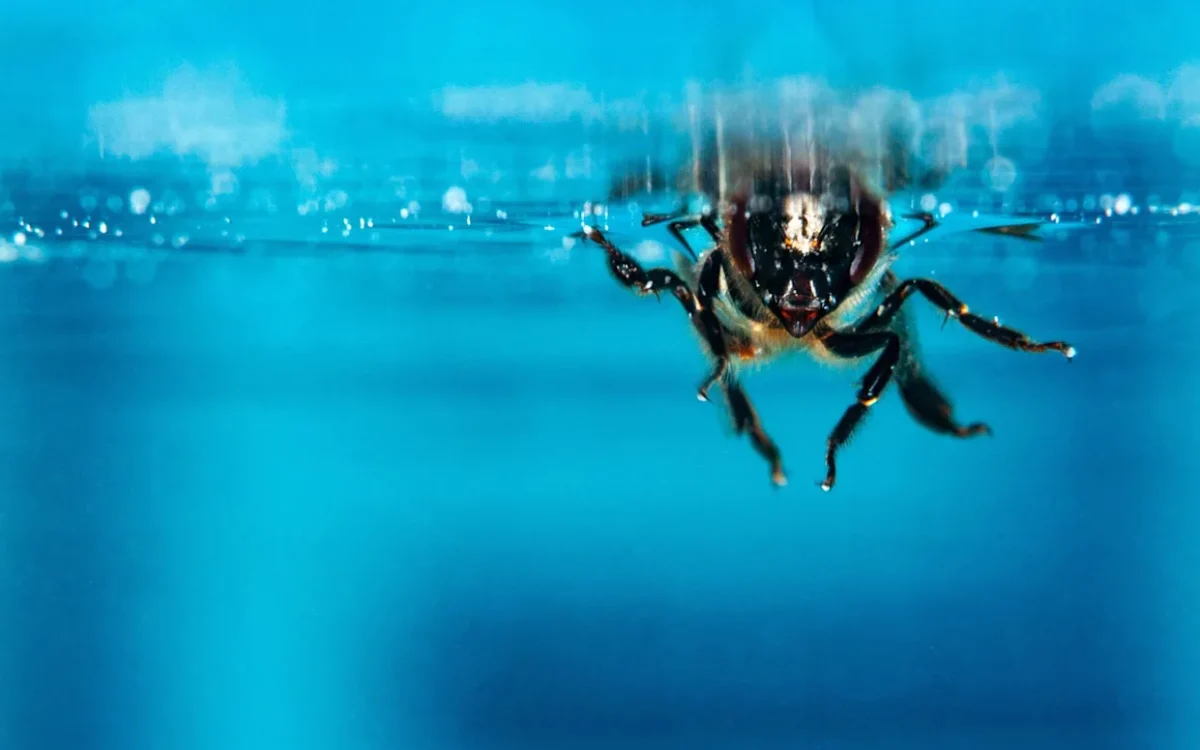
Following one of the largest developments in science over the past year, Matsliah’s work has been central to the full-brain mapping in Drosophila melanogaster, also known as the common fruit fly. He has contributed to the project of reconstructing every neural connection within the fruit fly brain, helping to create some of the most detailed connectomes ever assembled. His research and discoveries have illuminated how networks of neurons coordinate and function in the larger neural system.
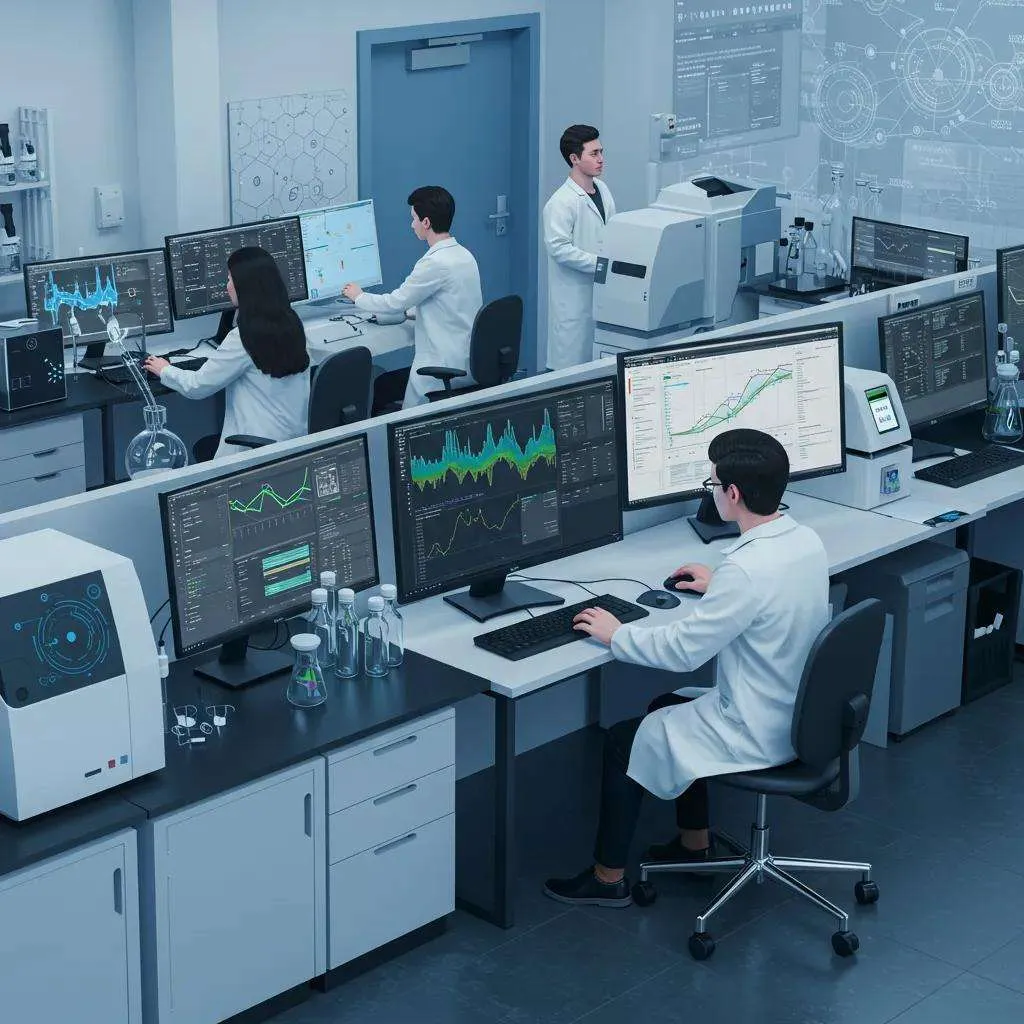
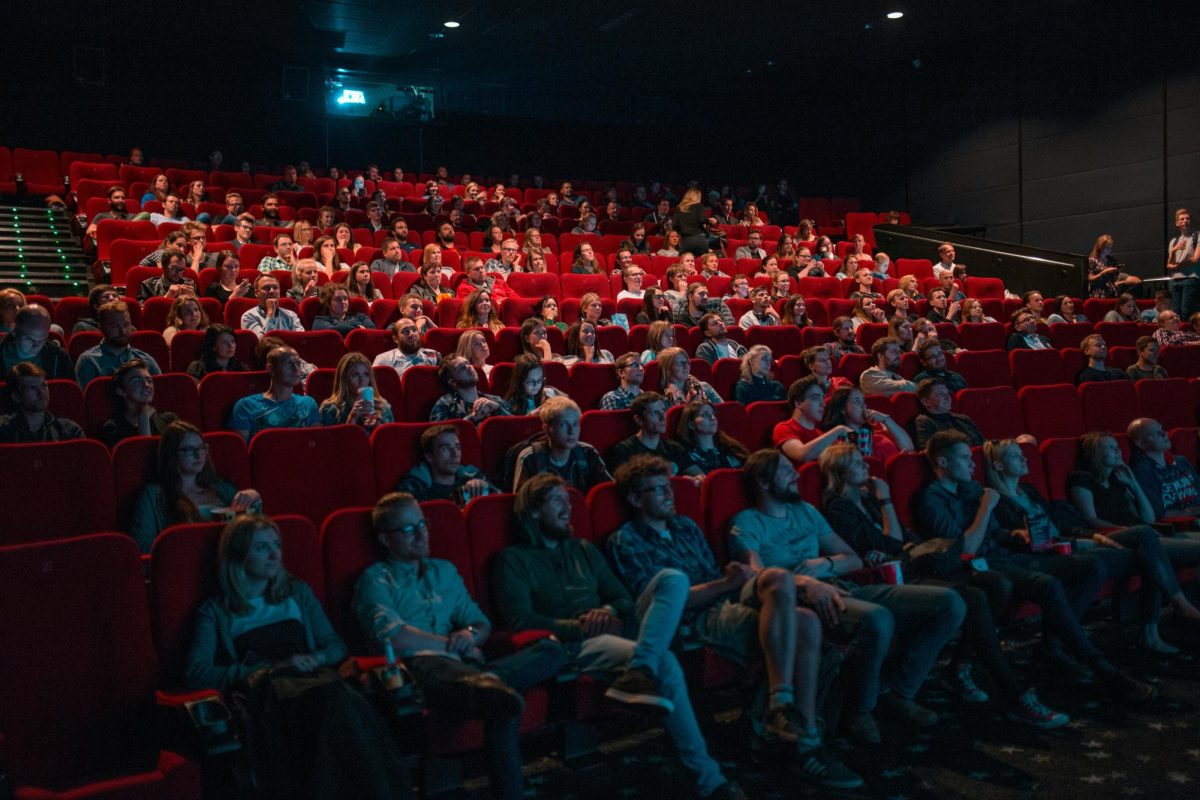
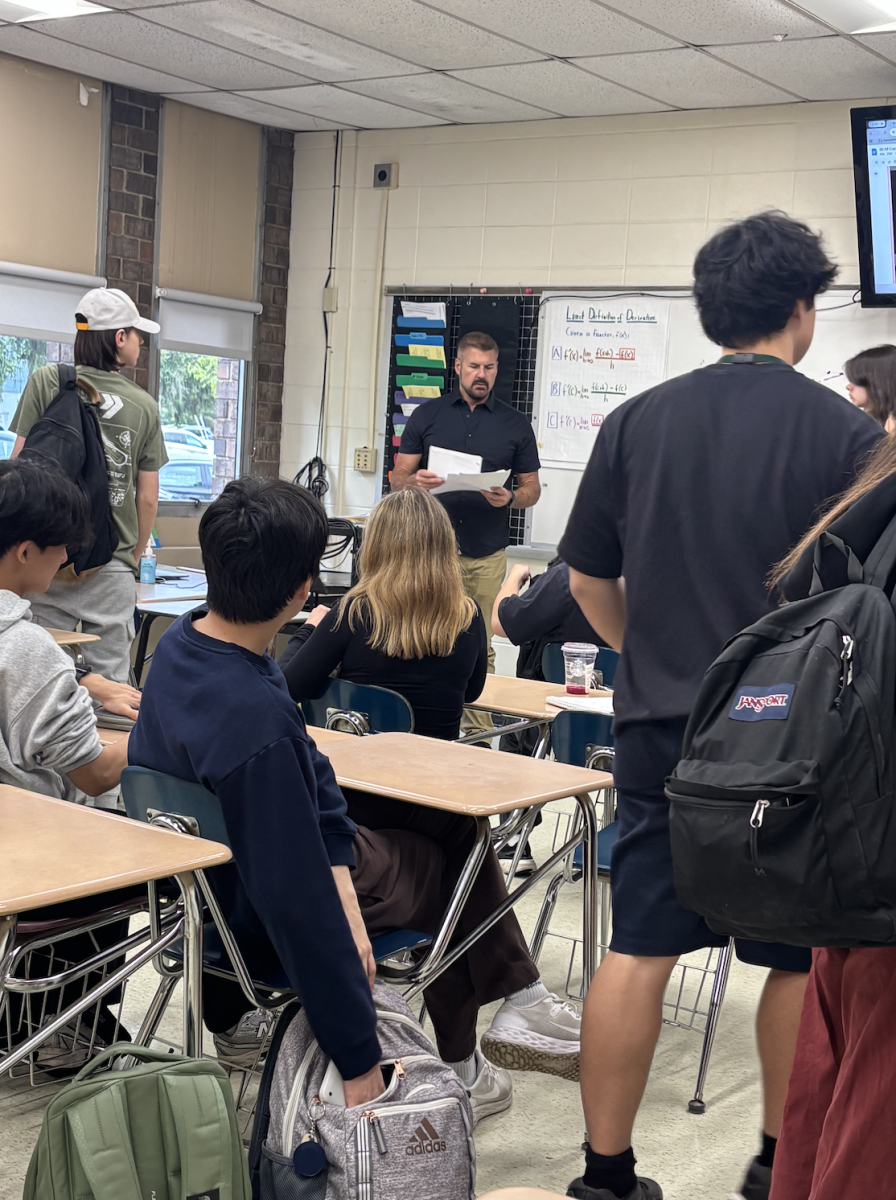
The presentation began as the class filed in, a slideshow lighting up the board. Matsliah started by explaining his background and quickly delves into the intricacies of his research. Explaining the process of mapping every connection within the fly’s brain, he combines high-resolution imaging, artificial intelligence in computational modeling, and data analysis to create the detailed connectome.
He emphasizes the importance of studying the Drosophila melanogaster as a model organism: while the previously mapped organism, the roundworm, had 302 neurons, the fruit fly has over 100,000. The roundworm is limited to basic movements, reflexes, and simple environmental responses, whereas the fruit fly exhibits problem-solving, grooming, and courtship rituals. By studying the fruit fly, researchers can uncover principles of neural computation and circuit organization and bridge the gap between simple organisms and complex brains.
Tenafly High School’s Science Research program offers students a unique opportunity to engage in scientific inquiry and research, providing a foundation for future exploration. Matsliah’s approach in mapping the Drosophila brain and studying neural circuitry illustrates the kind of approach that students in the program are encouraged to adopt. Guest speakers and exposure to researchers like Matsliah help in applying classroom learning in scientific work, showing Tenafly students how foundational research skills can turn into a real-world discovery.
Matsliah’s presentation highlights the value in engaging with real-world research and applications of textbook learnings outside of the classroom, demonstrating that the questions we ask today could be the breakthroughs of tomorrow.