















































In the beginning, the violin did not ask who I could become. It only asked that I stand still.
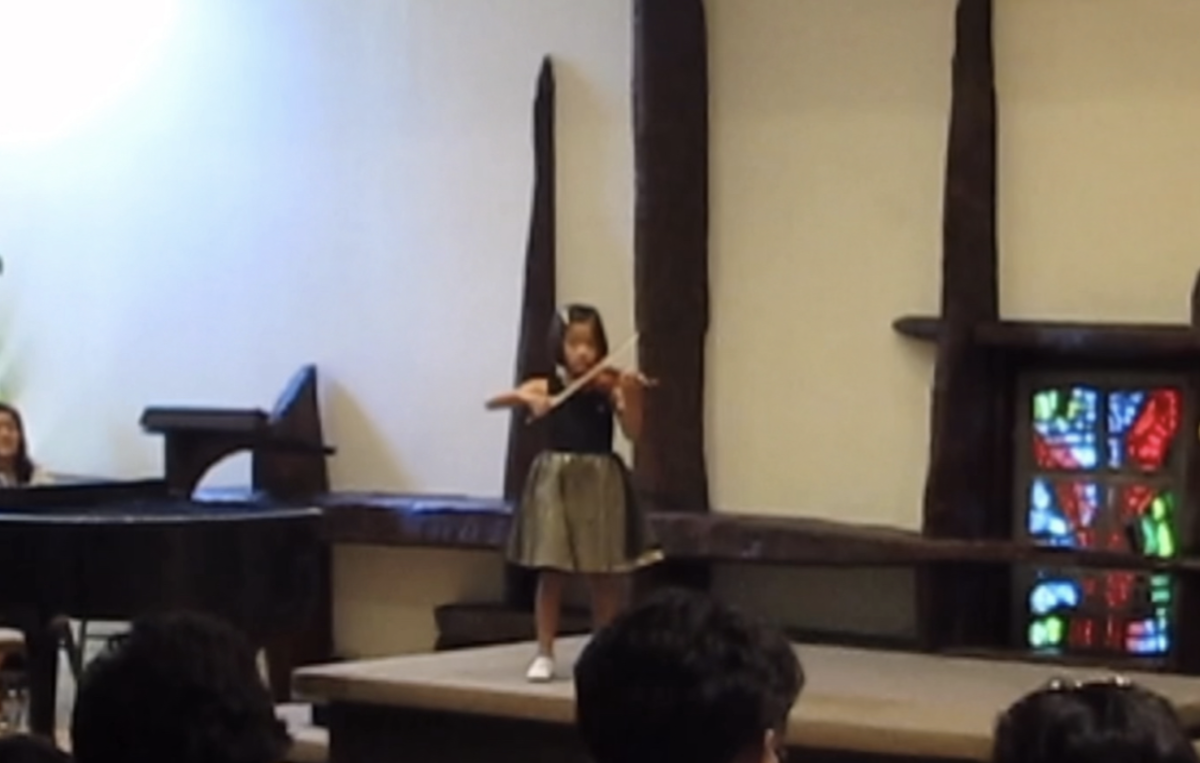
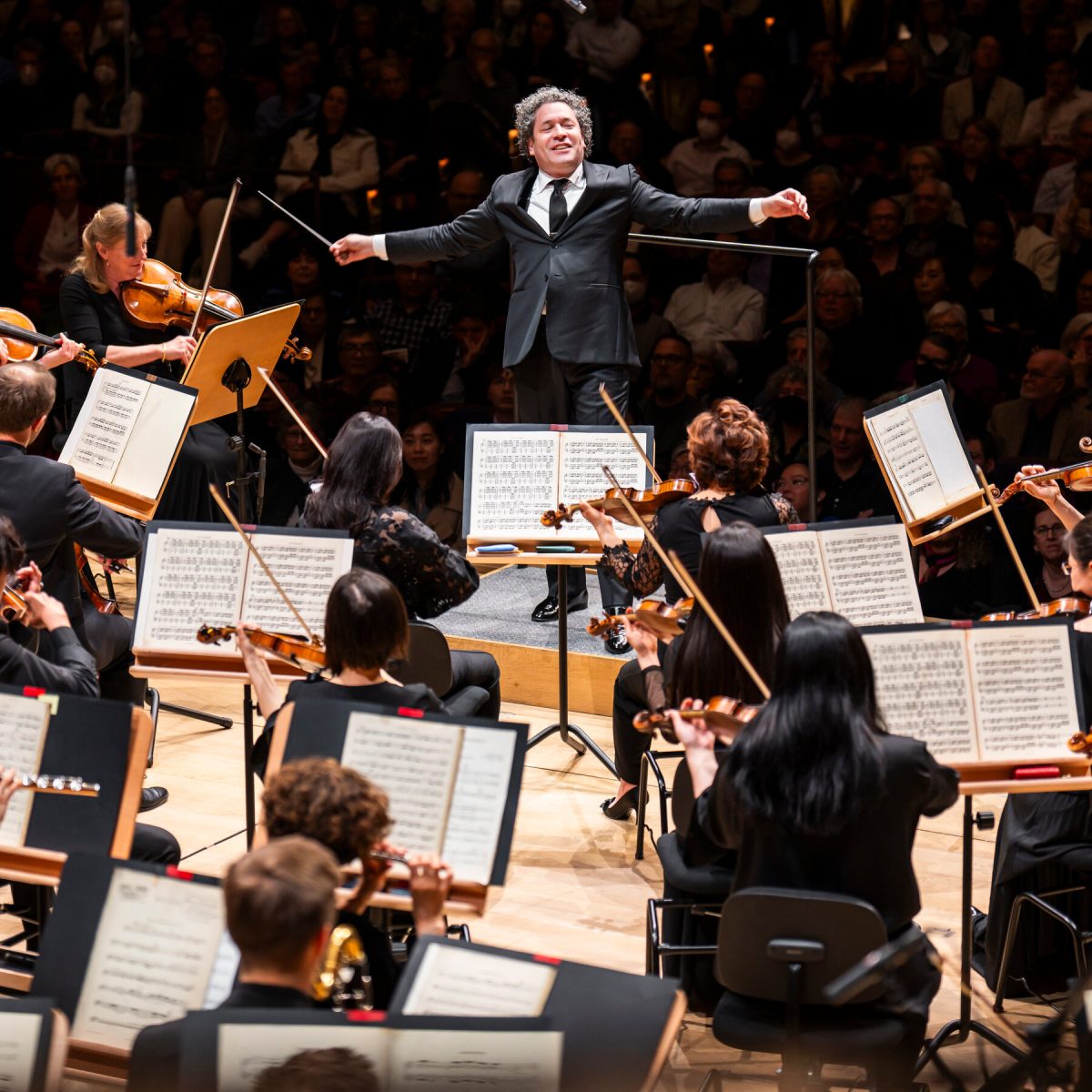
I was seven, barely tall enough to see over the lip of the music stand, in pink-rhinestoned boots that were planted onto the polished floor as a reminder to stay put. The violin pressed into my collarbone, warm and delicately sweet of rosin, its varnished surface catching the clinical fluorescence of the floodlights to return them as glints of honeyed gold. They scattered across its curves and trembled before my eyes, dancing like the stars my violin would soon sing of.
Those burning flecks held my attention the way the smallest wonders so often do for children, so fully that the vast sea of faces beyond the stage receded into shadow. Such faces might frighten me now, but then, sheltered in the undaunted innocence of youth, they did not.
I took a sharp breath, and the silence seemed to stretch with it, as though the entire room had leaned inward.
My bow found the string, and the fragile notes spiraled into the hall, a tender melody in recollection of a lone star twinkling “up above the world so high.” The sound lifted me with it, as I rose weightless and buoyant, borne on some hidden current in the air, carried gently upward on the scintillating silver wings of the song.
For a breathless moment after the final beat, the music lingered, unwilling to descend back on earth. The hall stirred. Applause surged from the darkened seats, a radiant cascade drowning the stillness.
I blinked, momentarily startled, fingers still curved around the violin’s neck as if the music had not quite finished passing through them, and turned to my violin teacher, who had risen from her chair at the edge of the stage. She was beaming.
“Take a bow,” she mouthed. And so I did.
It was that night that I learned that music could make even the smallest violinist feel boundless.
From then on, I returned to the violin the way one returns to a place where something wondrous once occurred, half expecting the same miracle to unfold again. Scales climbed towards higher registers, small ladders of sound stretching upward into places I could not yet see, and I followed them with the same earnest certainty that the music would carry me there.
As the years unfurled, I fell into a rhythm. Every Thursday evening, I traced the familiar stone path that led to my teacher’s stoic brick home, the worn leather of my violin case cradled in my hand as its weight tapped against my knee with every step. The metal doorknob pressed against my palm, swinging open to a room where sheet music rose in towers atop the grand piano. This room had kept watch over eight years of my life, and still it remained in such a way that it seemed forever unchanged.
I was fifteen, taller than she, immersed in yet another lesson of coaxing my violin to chase the soaring notes I had once only heard from afar, in concerts I had only dreamed of attending.
“Stop,” she said, her voice cutting through the room. It was not the first time she had said so; far from it, in fact, and evident in her words that fell with the dull finality of someone who had grown weary of saying it at all. I obeyed, my bow snapping away from the strings which cut short the passage I had labored over the night before.
She turned her gaze to the score resting on my stand, its pages softened from months of penciled reminders—to speed up, to decrescendo, or simply, to breathe. “What period is it from?”
“Romantic,” I answered, almost before she had finished asking, “Mendelssohn wrote in the romantic era.”
She regarded me for a moment, then gave a small, almost imperceptible shake of her head.
“Then why,” she said quietly, “do you sound restrained?”
The question settled into the room, but this time it did not sharpen me. It hollowed me instead. And so I began again, bow meeting string with practiced ease. Every note fell into place, shaped and controlled, just as it should be. I knew how to build the phrase, where to swell, where to hold back. The music was correct.
But it did not lift.
Frustration snapped through me, and I lifted the bow again, sawing the taut strands deeper into the instrument as though to wrestle the notes into life. It screeched in agony, the sound tight and more suffocated than before, trapped under the weight of my bitterness. Anger flared and ebbed, leaving tears in its wake, while my eyes stayed fixed on my fingers, still curved over the strings as they always had been.
In that small, shattering instant was when I noticed it; amidst playing for everyone else’s ears, I had forgotten my own.
I had improved in all the ways that could be assessed, a Sisyphus in the endless chase for faster fingers and cleaner runs, an Icarus climbing towards perfection that would only melt my wings. I played for competitions won, for the approval of a judge who would know me as a number and nothing more, for validation of my worth measured in rankings. Before I had realized it, my inner pulse had been replaced by the heartless ticks of a metronome.
Ironically, the only time in which the smallest violinist felt small was when she had grown up.


