





















































































































Three computers glowed in three different places, each one holding a future that felt impossibly fragile. Zach Gottfried (’26) sat in his chair, laptop placed on his desk, finger hovering above the keyboard. He shifted his weight, tapping the floor with one foot, and caught a glimpse of the moon through the blinds. Across town, Jared Corsair (’26) rested against the couch in his living room, laptop balanced on his knees, the hum of the fan brushing across his arm, mixing with the low murmur of the TV. He adjusted the laptop, leaned forward, then back, as if his movements could somehow coax the screen. At school, Ava Chun (’26) sat on a desk in her classroom, with her friends huddled all around her, cheering her on. Her hands gripped the edge of the keyboard, and she breathed unevenly as the page loaded slowly, each second stretching longer than the last. In bedrooms, living rooms, and classrooms, bodies held themselves still, hearts thudding, eyes fixing on a single point of light, waiting for a word that might shift everything. But at that moment, none of them knew anything at all.
Corsair knew exactly the time and date Duke University’s early decision would be released: December 16, 7 p.m.. He had known for days. The time sat in his mind like a quiet alarm clock he couldn’t turn off. But when he woke up that morning in Tenafly, New Jersey, he made the decision that the day would be ordinary. If he let himself dwell on the portal, on the word that would appear on his screen that night, the hours would stretch and wrap around it. So he built a schedule designed to outrun his own thoughts.
He went to the gym. He finished his homework earlier than usual. He moved through his routines with unusual intention, as if normalcy itself were a strategy. Still, every activity carried a second layer beneath it. Duke was there when he filled his water bottle, when he walked between classes, when he glanced at his phone. He wasn’t thinking about it exactly, but he wasn’t not thinking about it either.
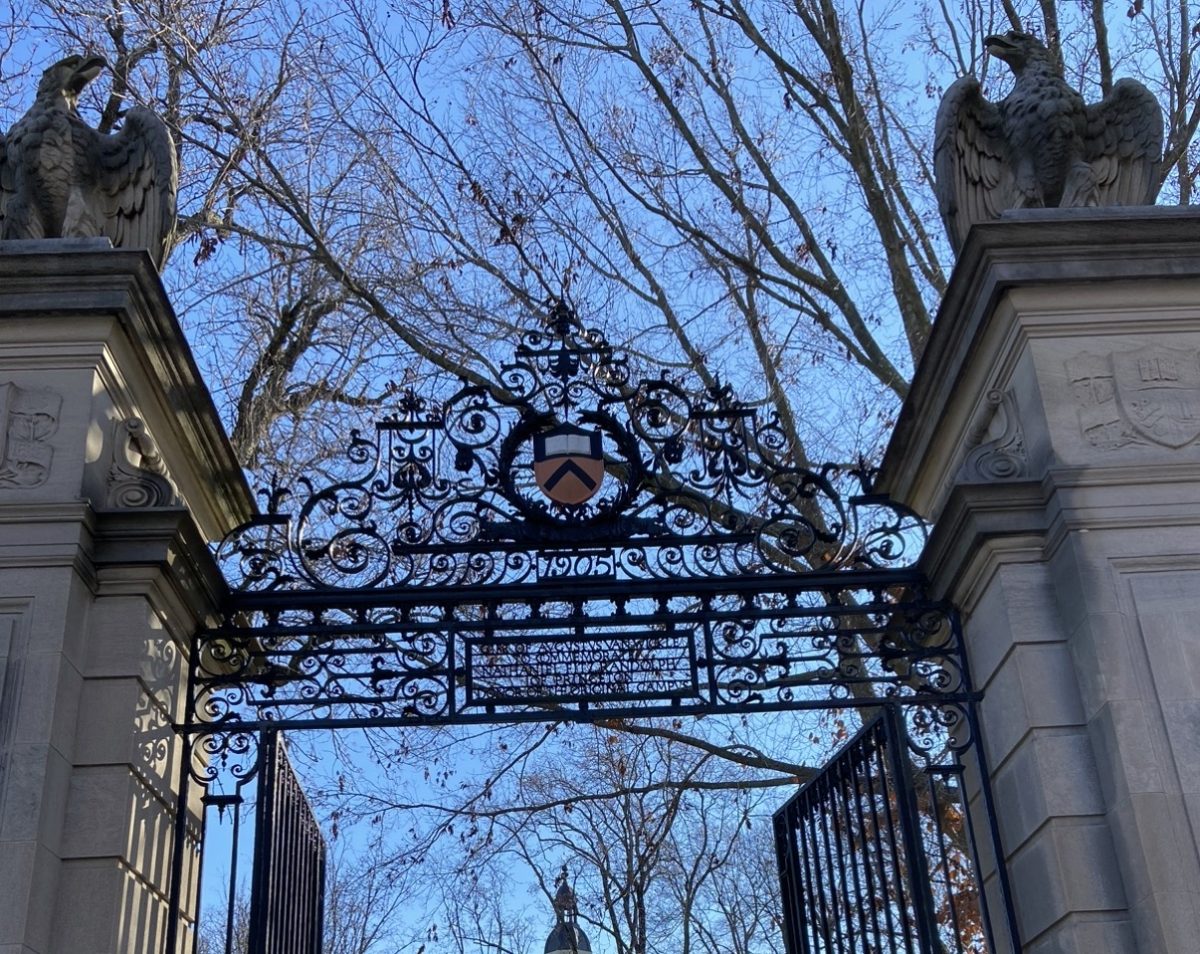
Duke had been in his head for years. The first time he stepped onto campus was a while back. He remembers the stone archways, the tall trees, and the feeling that the campus seemed both historic and alive. Later visits only confirmed it. Friends he’d met at summer camp showed him around like unofficial tour guides, leading him through the winding path into the student cafeteria known as “the WU (West Union),” which he talked about with the kind of affection usually reserved for hometown diners. The culture felt vibrant. The basketball games looked electric. The weather, warmer than Tenafly’s long winters, felt like a small but meaningful bonus. It wasn’t just that Duke was prestigious; it was that he could picture himself there. It felt like a reach, but also a safe choice—the perfect fit in his mind.
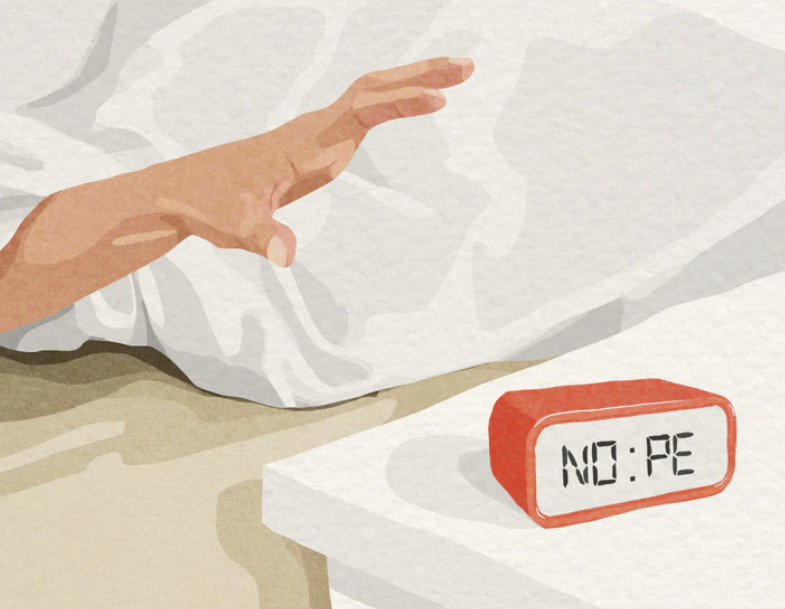
By the time evening came, Corsair had run out of distractions. He sat down to watch Stranger Things on Netflix, hoping the Upside Down’s portals might feel less terrifying than the ones he couldn’t stop refreshing. Every few minutes, though, his eye flicked to the clock in the corner of the screen. When it was 7:01 p.m., his body reacted before his mind did. His legs started to bounce. His chest felt tight. He knew the decision was waiting, but he didn’t want to meet it yet. Unlike many of his friends, who planned to open their decision letters the second they were released, Corsair hesitated. He told himself he would finish the episode first. He needed a few more minutes when the outcome didn’t yet exist in his mind.
In the next room, his parents waited quietly. They weren’t hovering, but they were close enough to feel the tension radiating from him. Around 7:10 p.m., the waiting became worse than the fear. Corsair closed Netflix, opened his laptop, and logged into the portal. He could see the screen. His parents could only see his face.
The word deferred appeared.
For a moment, he just stared at it. It wasn’t the celebration he had imagined, but it wasn’t the worst-case scenario either. The feeling settled over him was complicated—disappointment layered with relief. He still had a chance. Duke hadn’t said no. But they hadn’t said yes, either. And more than anything, he realized how badly he had wanted this to be over. An acceptance would have meant a release, the ability to stop checking grades obsessively, to glide through senior year with a destination secured. Instead, the waiting streaked out in front of him again, now reaching toward March 27 when the regular decision came out.
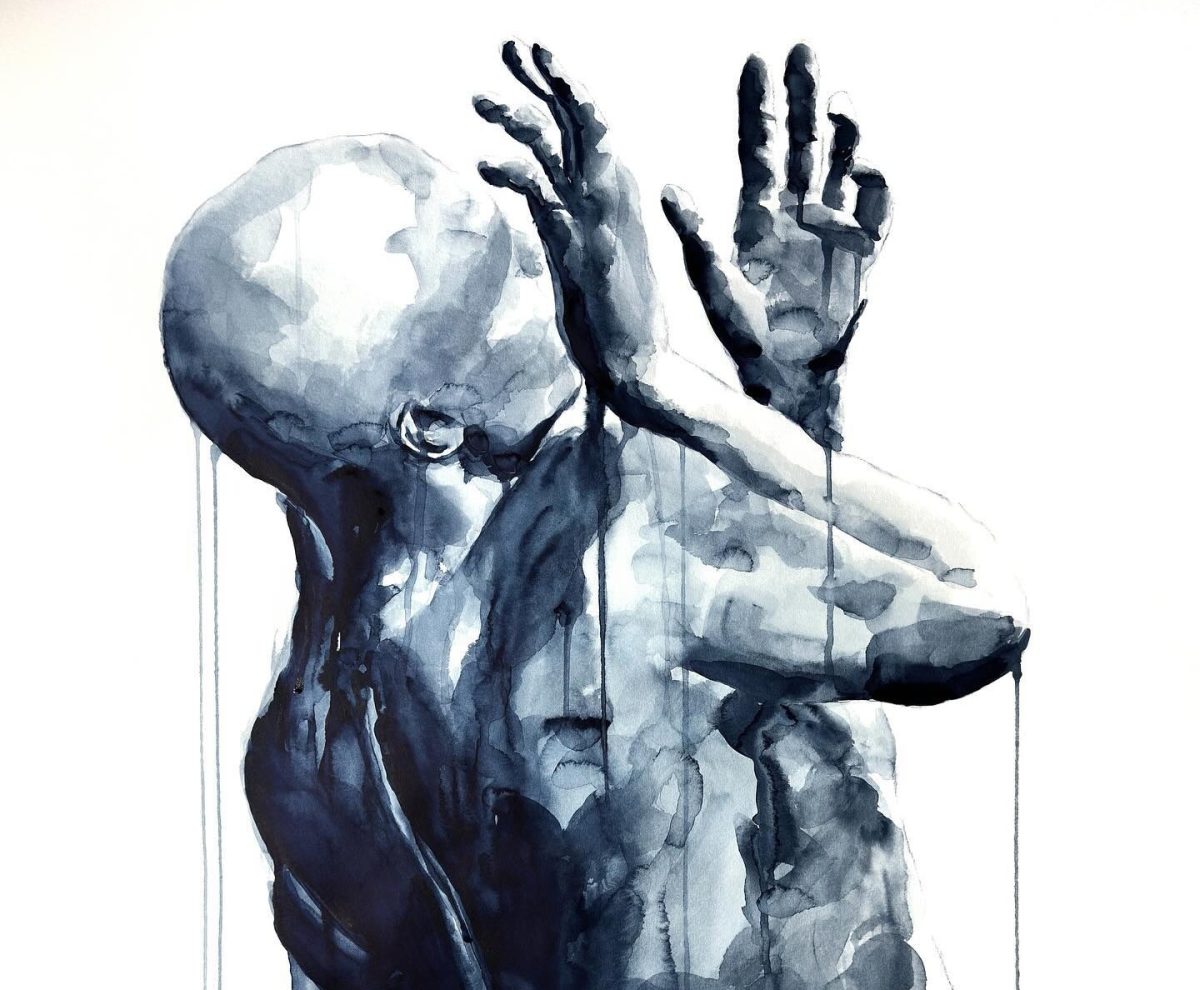
He turned the screen so his parents could see. They hugged him. They told him it was good news. And in many ways, it was. But as the night went on, Corsair felt the eerie pull of the in-between weight of the in-between——like being stuck between worlds, not rejected, not accepted, just suspended. Now there would be more waiting, more portals to open, and more 7:00 p.m. moments that felt like stepping into the unknown.
That night, he went to bed knowing two things at once: Duke still felt like the perfect place for him, and his future there was now out of his hands.
Chun wasn’t watching the clock. She had applied early action to Binghamton University, knowing decisions were released on a rolling basis. There was no dramatic countdown, no specific evening circled on a calendar. The answer could come any day. Any hour. So when a notification lit up her phone around 10:00 p.m. on December 16, while she was doing homework, it felt almost casual. Just another interruption between assignments. She glanced down at her screen. Her decision was in.
Before submitting her application, she had sent her transcript to the Binghamton soccer coach, who ran it through the admission process and told her she was likely to be admitted. Hearing that ahead of time softened the nerves. She trusted the process and trusted the work she had put in. Still, she didn’t open the notification. She wanted to discuss the decision with her peers. So that night, she waited.
The next day, during the fifth period in Peers, she turned the moment into something bigger. She had told everyone to gather around, and chairs began to scrape across the floor. Her friends leaned in, and someone started a mock drumroll on a desk. What could have been a quiet, private moment became a small production under bright classroom lights. She logged into the portal and opened the letter.
Admitted. The reaction came instantly—cheers, laughter, and arms thrown around her shoulders. For a moment, it didn’t feel like fifth period; It felt like a celebration. Later, at an orientation for the Binghamton School of Business in the city, the acceptance became more real. Hearing about internships and career paths made the future feel structured and tangible. Chun would have to balance soccer and classes simultaneously. What started as a quiet, 10:00 p.m. notification became a moment she’ll always remember.
December was certainly far from a quiet month for seniors waiting to hear from colleges. And in that wading pool of confused, unsettled first-semester seniors stood Zach Gottfried. But, at least he was not alone in the wait; he had his “Lehigh Bros,” a group chat consisting of Gottfried and two others who had also applied ED. While Lehigh kept its prospective students guessing about when the decision would come out, Gottfried and his friends stayed in contact, sharing rumors about when decisions would be released.
Rumors swirled around the group chat until it was confirmed that December 5 would be the day. Whether he was ready or not, Gottfried’s’s decision had been made, and his future felt like a near drowning—he could not swim out but was struggling on the surface, searching for the outcome.
Last year, Gottfried had toured the school with his friend Samuel, just as an activity for Gottfried, but he quickly fell in love with its beauty and realized he wanted to apply early. It was the first school he toured, but he knew immediately that it was the right fit. And though it was the right school for him, Gottfried knew he needed to actually be admitted before calling it his “dream school.” He knew he had a good shot but did not “want to be overly confident because the last thing [he] wanted to hear was rejection is redirection.”
That phrase, rejection is redirection has taken over the lives of seniors. From college counselors on TikTok reassuring millions of students to peers trying to console rejected friends, it is the last phrase anyone wants to hear. And as the clock got closer to 5 p.m., Gottfried could not get the phrase out of his head.
Unsure whether he was shaking because all he had eaten that day was a small bowl of yogurt or because his life was so close to changing, he knew he had to keep himself occupied. Unfortunately for him, the only thing that was occupying him was the ticking clock. Instead of watching a show or doing homework, Gottfried sat with three devices in front of him, refreshing each every five minutes, hoping the decision would come out sooner than expected.
After countless refresh cycles, he saw 4:59 p.m. on his phone. He did the “unorthodox act of kicking [his] family out because [he] wanted to be alone while opening it.” The next minute, at 5:00 p.m., Gottfried texted his Lehigh Bros, wishing them luck, then turned his camera on to record his destiny.
His eyes narrowed and focused on the computer screen before him, Gottfried paused. No scream, no cheering, just staring and silence. Accepted. The silence was intense, but only lasted a few seconds before he simultaneously ran down stairs, high-fiving his brother loudly and dropped the phone, leaving the video with just the audio of his celebration.
The idea of rejection being redirection quickly swam away from Gottfried as uncertainty turned to joy and fulfillment. After having a far from normal high school experience, he’d earned a normal, and impressive, happy ending.
The college admissions experience is weird, to say the least, and the pressure that comes with it is a feeling that cannot be replicated. While teachers and family are there to support seniors through it, they do not truly understand what seniors are going through. Mutual understanding of the process brings seniors together. Some are celebrating, some are waiting, and some are mourning. Some receive decisions as early as November, and others will wait until the May 1 deadline… but no matter where in the process you are, just know that a senior somewhere understands it.