



































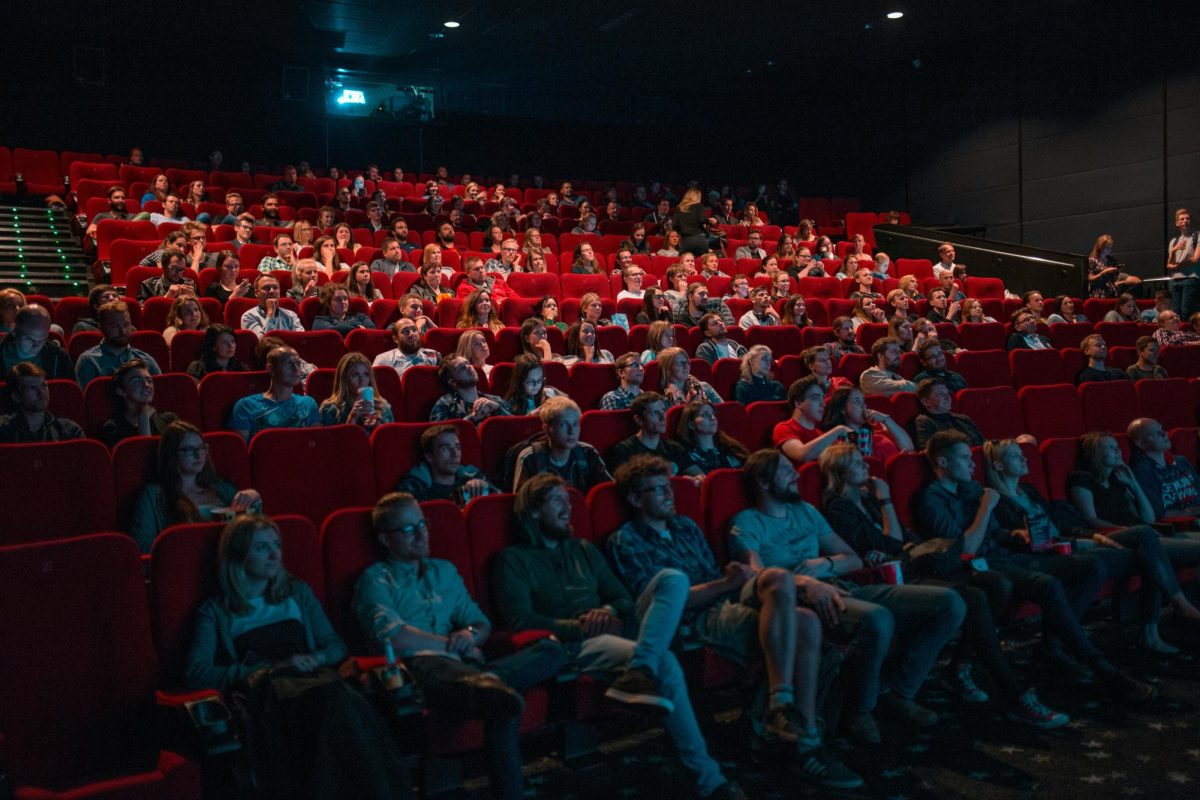






















Under the bright San Francisco sky, the Super Bowl halftime turned into more than a pause in the game. The crowd rose to its feet as Bad Bunny filled the field with music, movement, and a celebration of Latin culture that stretched far beyond the stadium.
What unfolded over the next fifteen minutes was not simply a celebrity halftime set. It was a carefully crafted statement about who gets to occupy America. Performing largely in Spanish, Bad Bunny delivered a high-energy medley of his biggest hits. He was backed by intricate choreography, bold visuals, and a sprawling stage that transformed the football field into a strong performance space.
Beyond the spectacle, the halftime show functioned as a moment of cultural visibility for millions of Latino viewers. This was significant because they rarely see themselves centered in such a mainstream American event. By performing largely in Spanish and drawing on Latin musical traditions, Bad Bunny challenged the expectation that Super Bowl entertainment must cater primarily to English-speaking audiences. Rather than diluting his identity for mass appeal, Bad Bunny leaned into it, suggesting that Latin culture is deeply intertwined with American culture. The performance demonstrated how music can serve both as entertainment and a form of storytelling, communicating pride, history, and belonging without the need for words.
Although the performance was mostly in Spanish, it didn’t stop viewers around the country from vibing to his music. By opening with one of his biggest hits, “Tití Me Preguntó,” Bad Bunny was able to curate the upbeat atmosphere of his performance from the first note. He continued the show by performing his chart toppers: “Safaera,” “EoO,” and “NUEVAYoL.” These songs are perfect examples of how he seamlessly mixes Latin trap and reggaeton sounds in his music. The next standout moment of the night was Lady Gaga’s surprise performance. Gaga sang a salsa-inspired rendition of one of her hit pop songs “Die With a Smile,” proving her versatility. This delivery had fans making both positive and negative comments, but everyone was shocked to say the less.
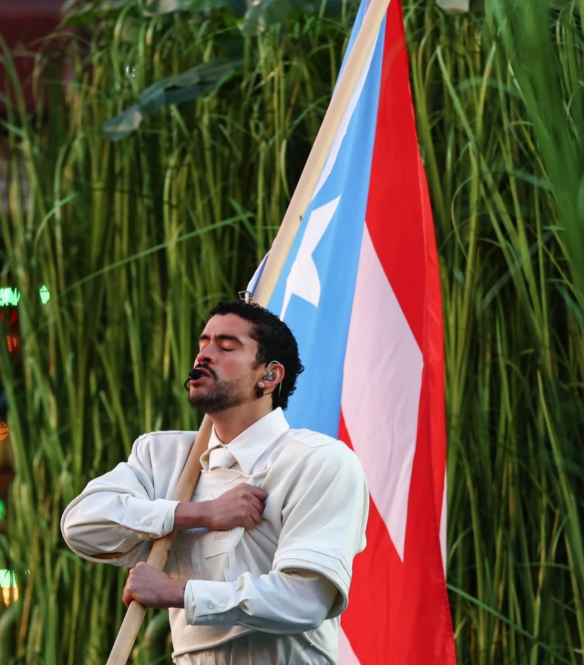
Throughout his show, there were many symbolic moments. Bunny was constantly leaving hints of Puerto Rican and Latin culture. Whether it was the real life Puerto Rican couple celebrating their new marriage or giving his Grammy to what was supposed to be a younger version of himself, the performance was filled with heartwarming, emblematic moments. His set design represented the cultural and agricultural landscape of Puerto Rico, and he finished his show by bringing out dozens of flags highlighting Pan-American unity. Bunny’s show was an ode to his home country and culture. He highlighted traditions and parts of Latino identity that tend to be forgotten and showcased it on the world’s biggest stage.
Ultimately, Bad Bunny’s Super Bowl halftime show was more than just entertainment. By unapologetically centering Latin culture and language, he redefined what mainstream American entertainment can look like. The performance proved that music does not need translation to be felt and that representation matters for unity and inclusivity.