


































































































































Humans cry. A lot. At graduations, after watching a “Dog Greets Soldier after 6 Months” reel on Instagram, at 1:17 a.m. because the Wi-Fi cut out during a last-minute chemistry review video. But for all the public evidence, scientists still don’t really know why we do it. Emotional crying is uniquely human; no other species sheds tears because they’re sad, nostalgic, or watching the finale of a K-drama. Behavioral neurologist Michael Trimble told BBC that even researchers studying tears are still in the “please email if you never cry” phase of scientific discovery.
As someone who cries at every sad movie marathon, it’s not exactly reassuring that we don’t know why we cry. What we do know, however, is that there are categories of cryers. Not official, DSM-certified ones, but observational field notes on human conditions.
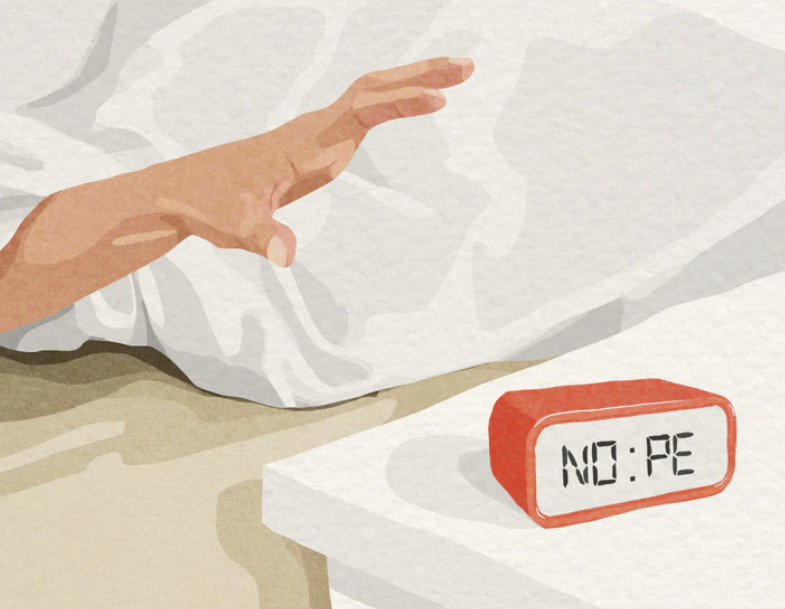
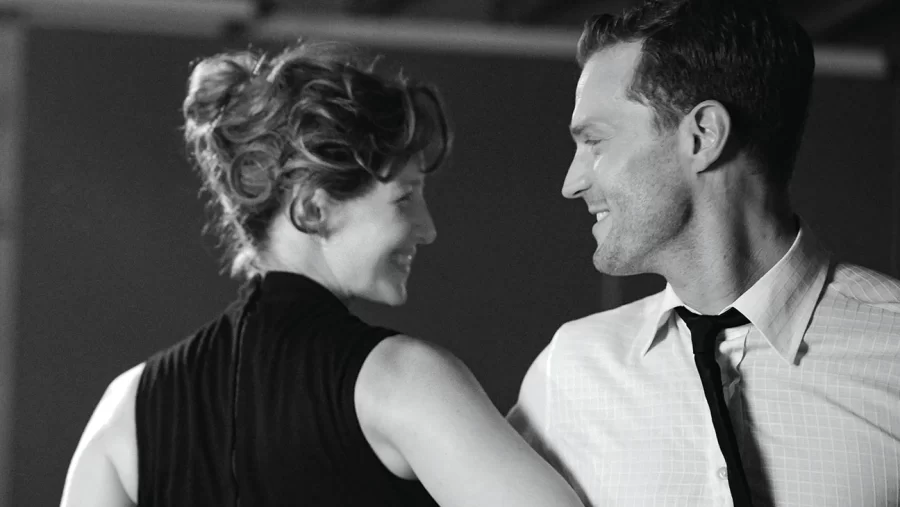
Attachment Criers are also regarded as the most common type of crier. Goodbyes? Tears. A reunion at an airport? Tears. Anything even remotely resembling Pixar’s Up short? Catastrophic tears. Picture two delicate flowers whose stems wrap around each other; their emotional stability depends on staying within Bluetooth range of each other. Scientists often link this style to secure or anxious attachment, and their tear ducts operate like overly sensitive security alarms.
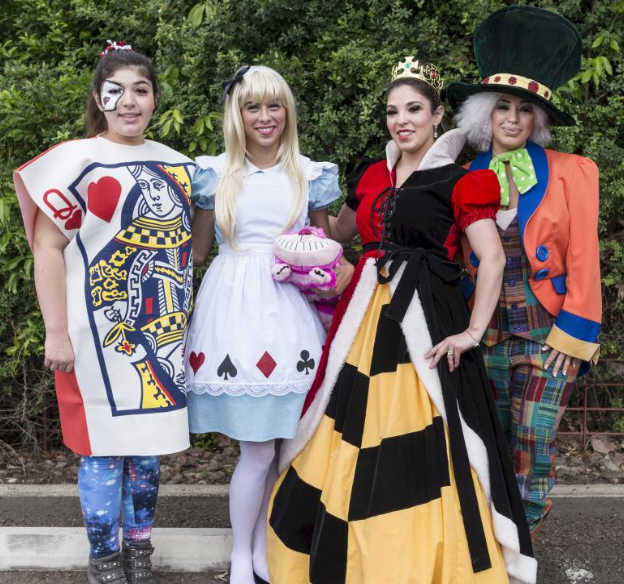
The Compassionate Crier is the friend who watches someone else cry and immediately joins in, despite often having no idea what’s happening. Their empathy levels are so high that if a stranger even sniffles at a bus stop, they start producing tears like an emotional sprinkler. Studies have shown that these individuals usually have higher empathy levels; their mirror neurons in the brain are so activated, they might as well invoice for emotional labor. But do not hire these people as psychologists; they will oftentimes experience the same emotions you are when you try to rant. You’ll end up crying together.
Sentimental Criers cry for the goodness in the world. Whether it be acts of kindness, achieved goals, babies taking first steps, military dogs reunited with their soldiers, their tears follow positivity the same way a compass follows north. If a video ends with “and they lived happily ever after” or “they adopted the dog,” these people are already reaching for the tissues.
Societal Criers are the group-project peacemakers. The tears come when their community—whether it be family, team, or friend group—descends into chaos. By that, their day has been utterly ruined. This is the friend who cries when two cousins argue at Thanksgiving, not because of the argument itself, but because the general atmosphere has been compromised. These are the people who will do anything, and I mean anything, to ensure that everything works smoothly and that everyone is friendly.
Although these are the four main types, psychologists like Zena Burgess point out that the action of crying itself has many more subgenres, including the following:
Frustration tears: popular during traffic or the night before tests when your ChatGPT stops working.
Hormonal tears: popular for all people, but especially in Bio, for absolutely no reason.
Happy tears: when you finally nail that presentation you practiced for hours.
Stress tears: a mid-semester Very Big Test usually paired with a side of three club meetings and a five-page lab report due the next day.
Empathy tears: when your friend says “I’m fine” but looks like they’ve been hit by a truck.
Laugh-crying: the most confusing—one second you’re giggling at a meme and the next you’re questioning every single choice you’ve ever made.
Still, the scientific “why” remains blurry. Historically, explanations ranged from tears coming from the heart turning its sadness into liquid to the heart overheating and venting steam through the eyes (ancient science, unfortunately real). Only in 1662 did Niels Stensen identify the lacrimal glands as the actual source, which ruined centuries of poetic speculation.
Modern theories propose that emotional tears act as a sort of social signal: basically a biological notification bubble that broadcasts something along the lines of, Hello, I am experiencing something intense, please respond! Crying can diffuse inner conflict, invite support, or communicate vulnerability to others. In other words, tears are evolution’s version of an alert.
Whether we cry from joy, sadness, empathy, or the sheer existential crisis of existing, the takeaway is just that crying is not a malfunction; it’s our way to cope with the world.