























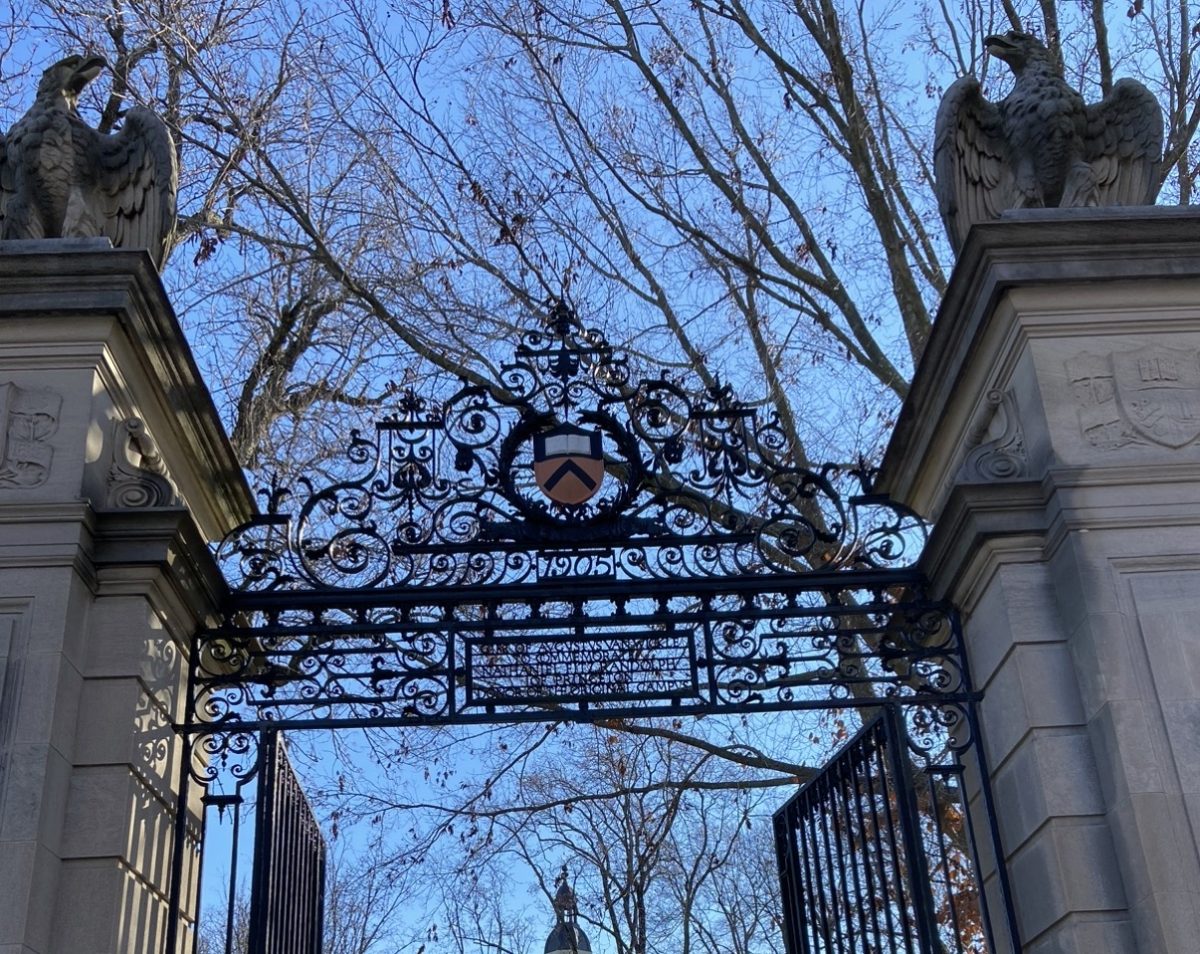








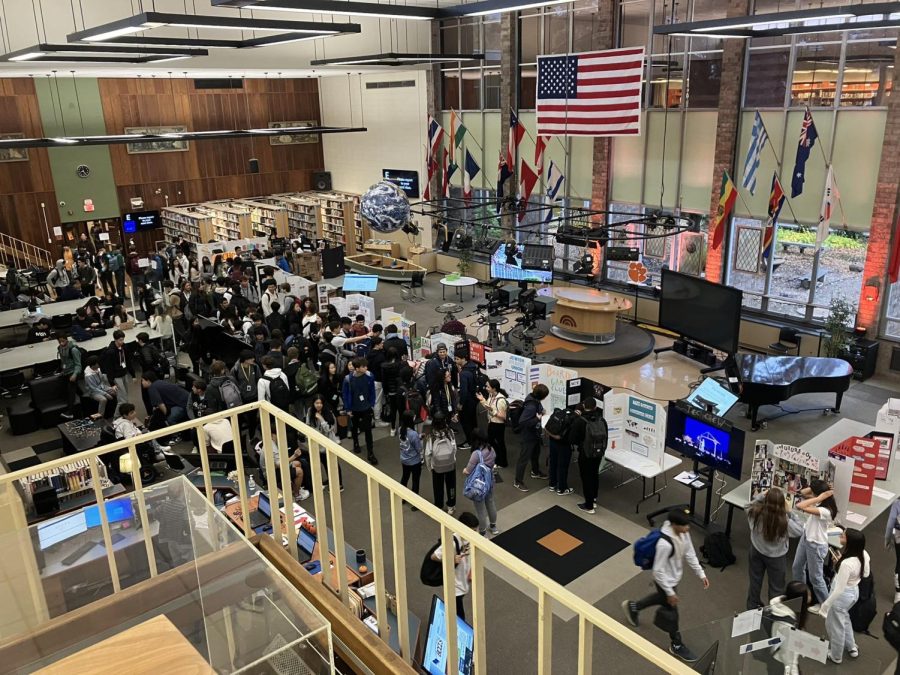
























In a corner of Tenafly High School last night, tragedy struck the literary world when a promising five-paragraph essay was discovered murdered in cold blood inside a locked Google Doc. Police describe the scene as “a real mess of modifiers and misplaced clauses.” The victim, a standard high school assignment titled “Why Cats Are Better Than Dogs,” showed clear signs of blunt force trauma from a rogue comma splice, multiple fractured sentences, and what experts are calling “excessive vowel play.” Its conclusion had been strangled by a run-on sentence so long it needed its own zip code.
Enter the world’s greatest grammatical detective: Question Mark. He arrived on the scene in a rumpled trench coat, one eyebrow permanently arched in skepticism, red pen twirling like a baton. After surveying the digital crime scene, he gathered the usual suspects in the margins for questioning.
First came the Period, a short, no-nonsense type who always insists on wrapping things up.
“Look,” he said gruffly, “the essay wouldn’t stop rambling. It needed closure. I was doing everyone a favor by ending it.”
When pressed about the excessive force, he just shrugged and muttered something about “tired of all the drama.”
Next was the Exclamation Point, vibrating with nervous energy.
“This is an outrage!!!” he yelled, practically bouncing off the screen. “I only add emphasis!!! I would never hurt an innocent essay!!!”
His defense was loud, dramatic, and completely unconvincing, since the victim’s final paragraph looked like it had been shouted to death.
The Comma drifted in, pausing dramatically between every other word: “I was just trying to separate the ideas, you know? Give them a little breathing room. Sometimes things get…a little too separated.”
She dabbed at nonexistent tears with the edge of a footnote. Her habit of creating unnecessary pauses had clearly contributed to the essay’s downfall.
Then there was the Semicolon, looking smug in his sophisticated half-curl.
“I merely attempted to join two independent clauses in a union of equals,” he explained loftily. “The essay simply wasn’t ready for that level of grammatical commitment. It panicked.”
The Apostrophe was next, fidgeting possessively.
“This is ridiculous! I wasn’t even there—I was busy showing ownership in another document. It’s not my fault that the essay wouldn’t keep its contractions straight. This is clearly a case of mistaken identity.”
The Colon showed up late, all formal and introductory, clearing its throat importantly.
“I was simply setting up the list of reasons why cats rule,” it declared with a superior air. “If the essay couldn’t handle a proper introduction to its own arguments, that’s hardly my fault—blame the content, not the setup.”
The Quotation Marks strolled in together, looking rather enclosed in themselves.
“We were merely framing the essay’s key points,” they echoed defensively. “If things sounded borrowed or fake, it’s because the whole assignment was full of secondhand ideas anyway. Don’t pin this on us for just repeating the obvious!”
As the suspects bickered, Question Mark paced the white space, occasionally jotting notes in perfect cursive. Something wasn’t adding up. The murder weapon—a dangling modifier—had been left right at the scene, practically waving a confession flag. Only someone with a truly sloppy grasp of sentence structure would be that careless.
The Ellipsis began sweating…three little dots of pure guilt. The Dash tried to make a break for it—bold, interruptive, and suddenly very suspicious.
But the real twist came when Question Mark examined the very last line of the document. There, hidden among the track changes, sat the true culprit: The Editor. A mild-mannered fellow in a cardigan sweater, he smiled sheepishly when confronted.
“I just wanted to improve it,” he confessed, adjusting his glasses. “One little suggestion here, one passive voice conversion there, a few unnecessary adverbs…and suddenly the whole thing lost the will to live.”
Question Mark shook his head sadly: “You fool. You never end on a question.”
He turned directly to the reader with a knowing wink.
“Or do you?”
With that, the document closed itself, leaving behind only the faint echo of deleted words and the mind-numbing horror of what happens when good essays go bad mere seconds before the deadline. In the aftermath, the surviving punctuation formed a support group called “Sentences Anonymous,” where they swore off all future assignments and vowed to live out their days in short, safe bullet points—because in the end, even the best essays know when it’s time to hit save and run.