






























































































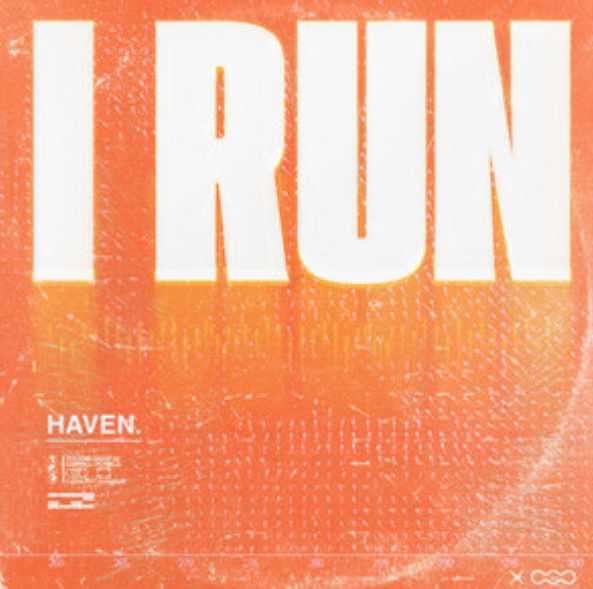
One week, the song “I Run” was all over TikTok. The next, it vanished from Apple Music and Spotify. The AI-made track stunned many with how real it sounded—and stunned the industry even more when platforms quietly erased it, sparking a debate no one saw coming.
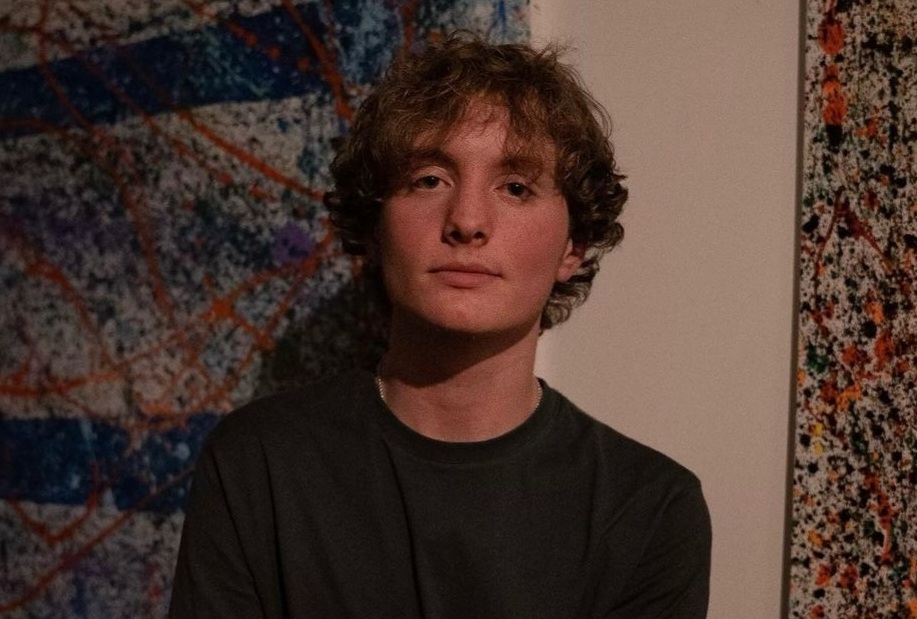
The explosion and sudden removal of the song “I Run” has pushed a bigger question into the spotlight: is AI starting to replace human creativity and take over jobs once thought untouchable? Before it disappeared from Spotify and Apple Music, the house music track was credited to HAVEN, with songwriter Harrison Walker and producer Jacob Donaghue attached to the release. Listeners had no reason to doubt the vocals, as they were fluent and seamless from start to finish. However, after the hit racked up over 13 million streams, it was removed from major platforms amid growing online speculation that its vocals were generated—rather than sung—by a real human, according to EDM.
On TikTok, the disappearance of “I Run” set off an instant shock. Creators who had been using the track for edits, running videos, and trend posts suddenly found their audio muted. Comment sections were quickly filled with confused reactions as users questioned why the song had vanished overnight. Instead of assuming it was a copyright issue, people jumped straight into speculation, posting theories about whether the vocals were AI-generated or whether the artist behind the track wasn’t who they claimed to be. Discussion about possible AI involvement spread quickly after fans noticed the abrupt removal and began comparing clips of the song to known AI-generated vocals, according to Rova.
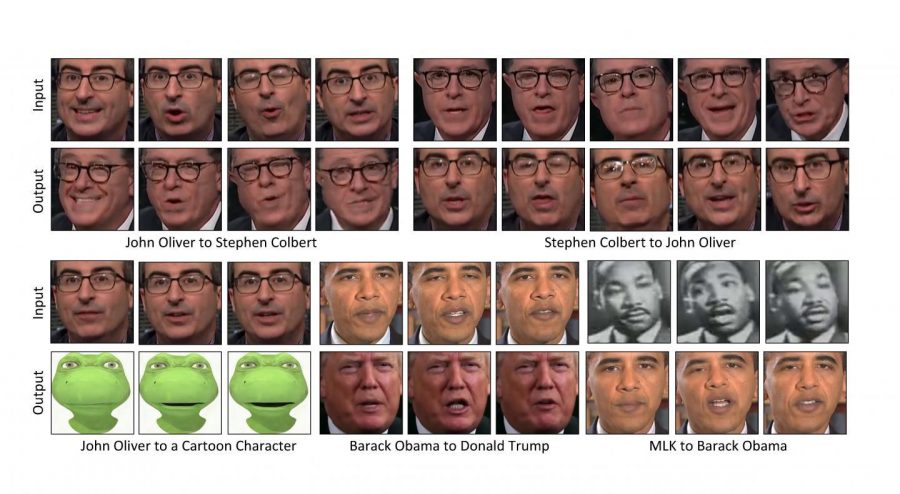
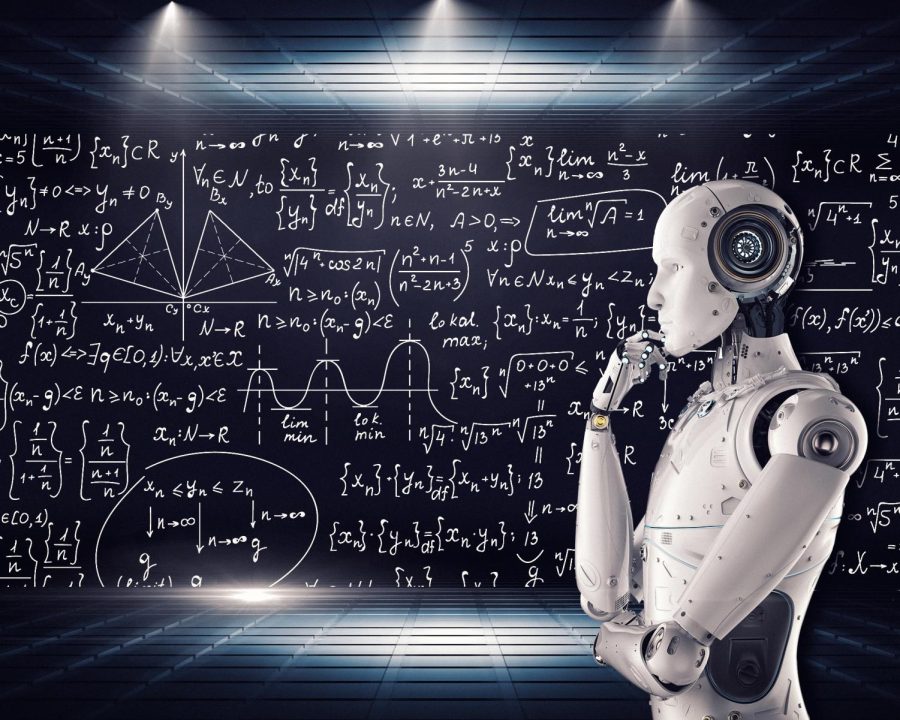
Beyond the confusion, “I Run” highlights a growing shift in the music industry: AI is beginning to take on roles once reserved for humans. From writing lyrics to producing entire vocal tracks, AI tools can now create songs that sound convincingly real in a matter of minutes. Industry professionals have started expressing concern that this rapid change could reshape careers. The sudden rise and mysterious disappearance of “I Run” shows that the future many artists feared might be arriving sooner than expected.
“I think an AI can learn skills—but it can’t learn a perspective or a sense of humour or an attitude. It’s almost too perfect to be interesting,”musician Jacob Collier said, according to Music Radar.
Adding to the confusion was the mystery surrounding HAVEN, the artist name attached to the track. After “I Run” vanished from streaming services, neither HAVEN nor the credited songwriters issued any explanation, leaving fans with more questions than answers. The silence only fueled speculation about who or what was actually behind the vocals. Without a clear artist identity or statement, listeners were left to piece together their own theories, many of which centered on AI. “It’s almost too perfect to be interesting,” Collier said, according to Music Radar.
The song also exposed how unprepared major streaming platforms are for the surge of AI-generated music. Spotify and Apple Music offer no clear public guidelines on what qualifies as AI-assisted versus fully AI-generated content, leaving song removals inconsistent and unexplained. This uncertainty isn’t new—Spotify previously removed thousands of AI-made tracks earlier this year after concerns about transparency and manipulation of streaming numbers, according to Music Businesses Worldwide. The disappearance of “I Run” only underscored how unready these platforms are to handle a future where songs can be created by humans, machines, or something in between.
In the end, the saga of “I Run” revealed far more than the story of a viral song that vanished overnight. It exposed the tension building at the center of modern music: a creative world moving faster than the systems meant to regulate it. As AI continues to blur the line between human art and machine output, both artists and audiences are left navigating a landscape that feels increasingly uncertain. Whether “I Run” was an experiment, a mistake, or a warning shot, its rapid rise and unexplained removal proves one thing: the future of music is already here, and no one is fully prepared for what comes next.