



























































































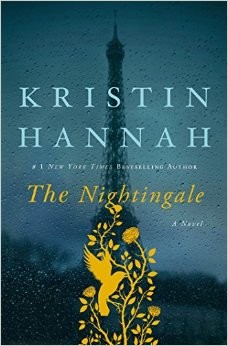
“If I have learned anything in this long life of mine, it is this: In love we find out who we want to be; in war we find out who we are,” Kristin Hannah writes in her book, The Nightingale. “Today’s young people want to know everything about everyone. They think talking about a problem will solve it. I come from a quieter generation. We understand the value of forgetting, the lure of reinvention.”
Hannah’s award winning The Nightingale is a sad book, the type of sad book that will make you uncontrollably sob for an hour, the kind of sad that depresses you, kills you slowly and painfully, and rips away a part of your soul—and we loved it.
The Nightingale follows the story of two sisters during World War II in France: Vianne and Isabelle. At the beginning of the book, Isabelle is loud, bold, outspoken, and acts quickly without thinking beforehand. Her older sister Vianne, is the direct opposite. She is quiet, reserved, polite, and entirely dependent on her husband. Yet, as the book progresses and war breaks out throughout the world, we see how it changes and affects Vianne, Isabelle, and their relationship.
Right from the start, Hannah sets the scene and hooks you with the first line of the prologue. As someone who has never read a historical fiction novel and was fairly intimidated by the book’s significant length, we soon settled in, as Hannah managed to put all our worries to rest through her accessible writing style and grappling prose.
Another thing we thought Hannah does exceptionally well is her research. The plot of the book and the vivid description of the historical facts made the experience of reading the book so much more real and terrifying when remembering that the fictional story we’re reading about happened, one variation or another, to real people. Unfortunately, some readers disagree. An accumulation of one star reviews of The Nightingale on Goodreads all share a similar theme to their complaints–historical accuracy.
Many of them specifically bring up a quote where Hannah describes Isabelle as being four years old and her sister, Vianne, fourteen years old. Hannah then goes on to say that Vianne grew up to be seventeen, while making the mistake of writing that Isabelle is still four. Another mistake in the novel that critics have brought up is when Hannah described the weather as being freezing snow that is knee-deep, yet Vianne still somehow managed to bike through the cumbersome snow. While these are definitely mistakes and we are sure they matter to some historical fiction readers, we didn’t notice them until reading reviews. We believe that these inaccuracies don’t detract from the plot in any sort of way, nor do they imply bad writing on Hannah’s side; they were merely careless mistakes that we easily overlooked.
Even though this book is historical fiction–and therefore centers on the events of the war–the most noteworthy aspect of The Nightingale is the characters. The reason this book is so famous (or notorious) for making its readers weep helplessly–much like we did ourselves–is that Hannah is an expert at constructing complex, deeply human characters that feel immediately recognizable. While Isabelle can easily be attributed to being careless and rebellious, she also has a multitude of moments of real vulnerability and fear. Vianne, who appears mostly reserved and cautious, similarly has flashes of bravery and strength. These depictions are what allow readers to attach themselves so strongly to the sisters. By the time we reached the ending, the emotional impact was so intense because it felt as though we had known them for years.
Overall, The Nightingale brings readers to an understanding of what it means to love and lose as they traverse through the lives of Isabelle and Vianne. When reading this book, it is important to allow the emotions to flow through you in order to truly understand the deep message of the novel. This book is more than a story about war. It’s a story that shows that courage often comes from the most unexpected places, and that even the smallest voice can make a difference.