



















































































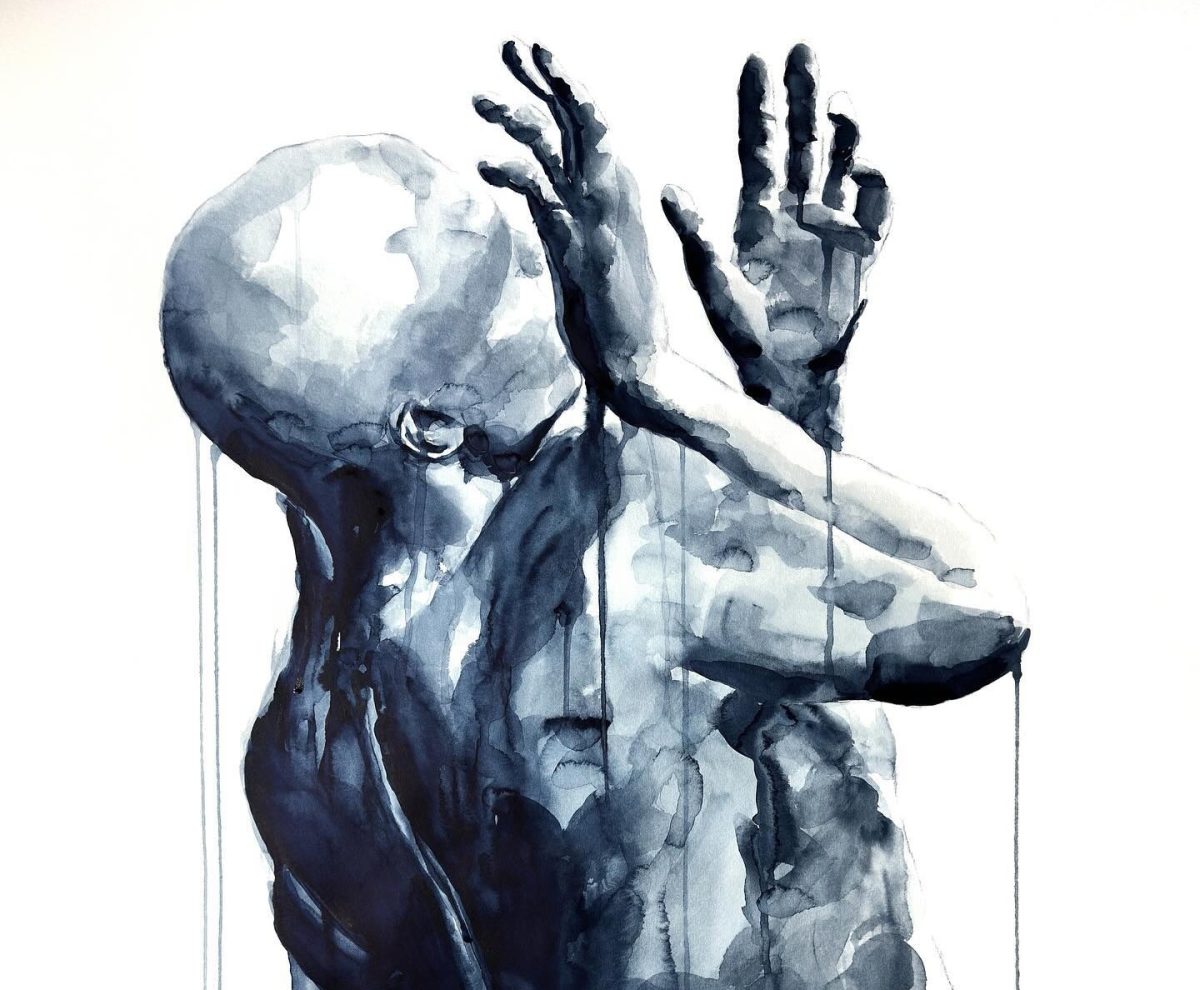





















































Winter feels different. The sun disappears before most students finish their homework, the air becomes colder, and the days blur into long stretches of night. With sunlight fading away earlier, these changes don’t just affect our environment, but also people’s mental health and well-being. While many simply assume that this winter brings tiredness and irritability, these symptoms often point to Seasonal Affective Disorder (SAD), a type of depression triggered by the changing of seasons. This form of depression appears mainly during the winter months and is influenced by biological changes. Understanding what SAD is and how it affects people is essential to recognizing the reality of winter depression.
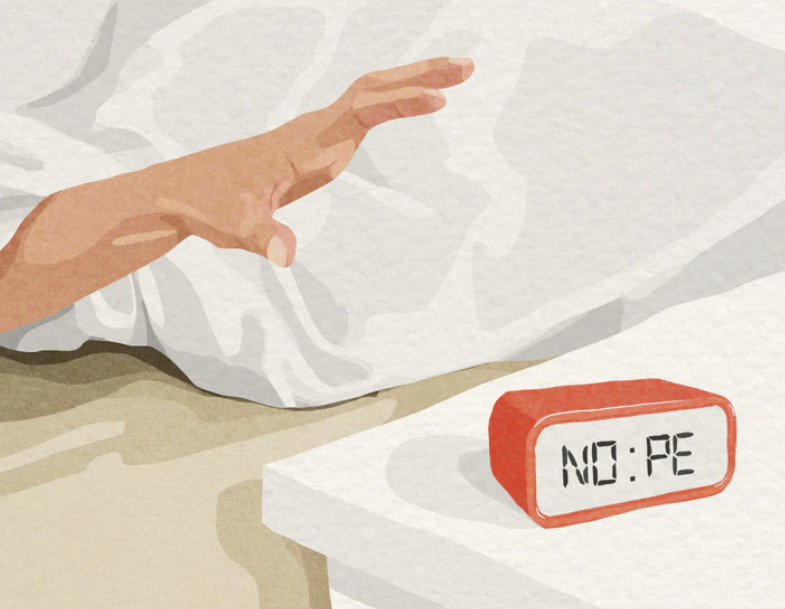
According to Mayo Clinic, “in most cases SAD symptoms are seen during late fall or early winter and last four to five months. In these cases, symptoms usually start out as mild and become more severe as the season progresses. The most common general symptoms include losing interest in activities, having low energy, feeling listless, and having difficulty concentrating.” However, when discussing both winter and summer depression separately, winter depression leads to oversleeping and weight gain while summer depression leads to weight loss and anxiety. All these changes can make winter a challenging season for those prone to depression.
While researchers are still developing the exact causes for SAD, most research has led to two possible potential causes. Studies indicate that people with SAD have lower levels of serotonin, the brain chemical responsible for regulating mood. People with SAD usually already have low levels of serotonin, and since sunlight regulates serotonin activity, the lack of sunlight in the winter can make serotonin levels fall even more. Vitamin D also boosts serotonin, and since sunlight is needed for vitamin D production, limited sunlight can create deficiencies that worsen mood.
Additionally, when there’s less sunlight, your biological clock shifts. This internal clock regulates your mood, sleep, and hormones. When your natural rhythm shifts out of its natural pattern, daily functioning is disrupted. Specifically, the lack of sunlight in winter causes an overproduction of melatonin, a natural chemical that causes feelings of sleepiness and sluggishness. Winter-pattern SAD is not just “winter blues”; it is instead a serious chemical and physical reaction to seasonal changes.
Fortunately, treatments are available to help people with SAD. They fall into four main categories: light therapy, psychotherapy, vitamin D supplementation, and antidepressant medication. The most common is light therapy. Since the 1980s, light therapy has been the main treatment for SAD, serving as a stand-in for the natural sunlight people lose during darker months. This helps reset circadian systems, boost serotonin levels naturally, and regulate melatonin levels, working to reduce depression. Although there is no guaranteed way to prevent SAD, people can take steps to manage symptoms. These include going outside, eating nutritious meals, exercising, and seeing friends.
Winter depression affects thousands of people every year, yet many cases go unnoticed. Ignoring these symptoms can worsen SAD, while recognizing them early on can help prevent winter months from feeling overwhelming. Winter depression can make everything feel heavier, but understanding why it happens can make the season feel more manageable.