

































































































In a futuristic Seoul, two abandoned helper bots learn what it means to feel. Maybe Happy Ending introduces two main leads in a quiet sci-fi love story, setting itself from other Broadway shows that scream for attention.
The show begins in the Helper Bot Yards outside of Seoul, South Korea. When circumstances bring them together, two human-like helper bots, Oliver and Claire, unexpectedly form a connection. Their story explores themes such as memory, loneliness, and purpose
In the song, “Maybe Happy Ending,” Claire sings, “Those sunny afternoons you spent with me / They’ll still be happening, just somewhere in the past / Each simple moment was a luxury / They’re not less valuable just ’cause they didn’t last.”
Oliver and Claire experience curiosity, friendship, and something close to love.
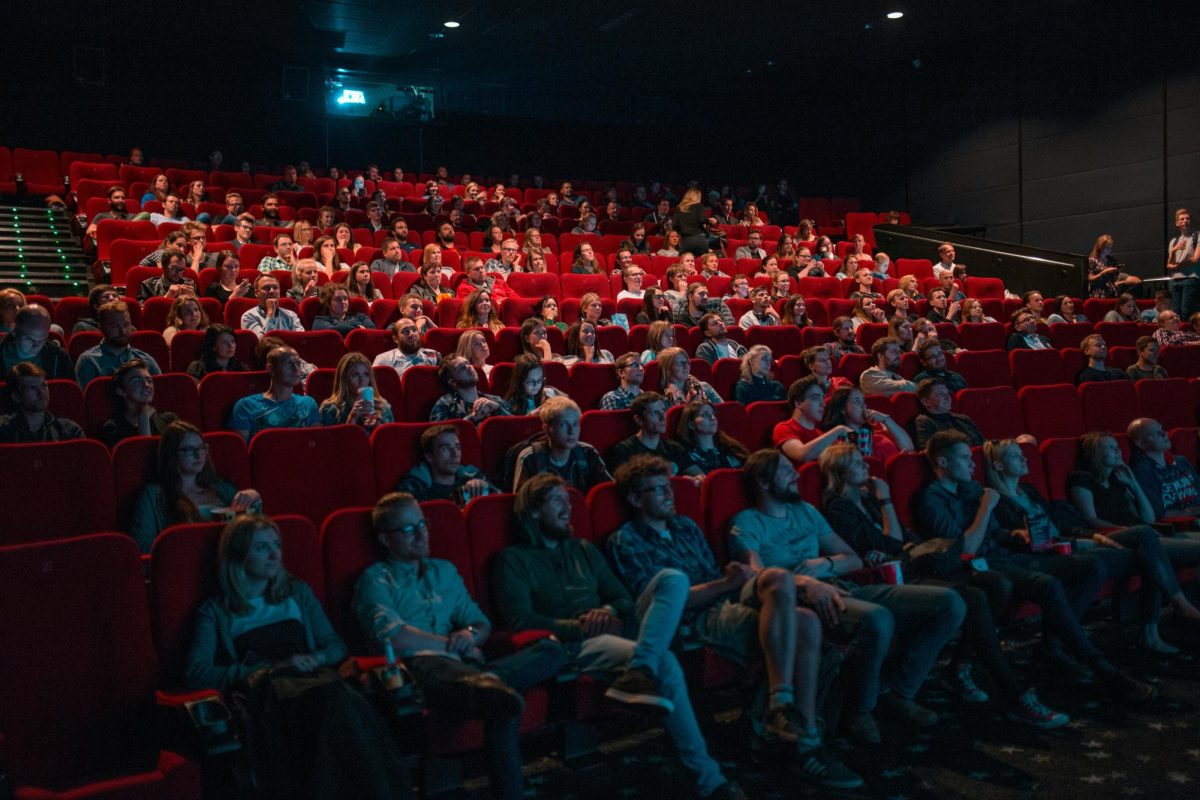
While presenting serious and intense moments in their relationship, the two helper bots balance comedy and lighthearted moments. For example, Oliver speaks to his houseplant named Hwaboon (which literally means flowerpot in Korean), as if the plant has emotions of its own; in reality, he is expressing feelings he can’t share with anyone else. These moments bring joy and laughter to the room, creating an atmosphere in the theater that felt warm and comforting, while offering intimate moments that made people lean into their seats.
Maybe Happy Ending originates from a duo book written by Wil Aronson and Hue Park that was first produced in 2016 in South Korea, before making its way to Broadway with the help of Tony Award-winning director Michael Arden.
According to the Music Theatre International, critics call this musical “one of the most visually stunning shows to hit New York in ages.”
The musical has previously won the hearts of critics and audiences, receiving six Tony Awards in 2025, including Best Musical, Best Book of a Musical, and Best Original Score.
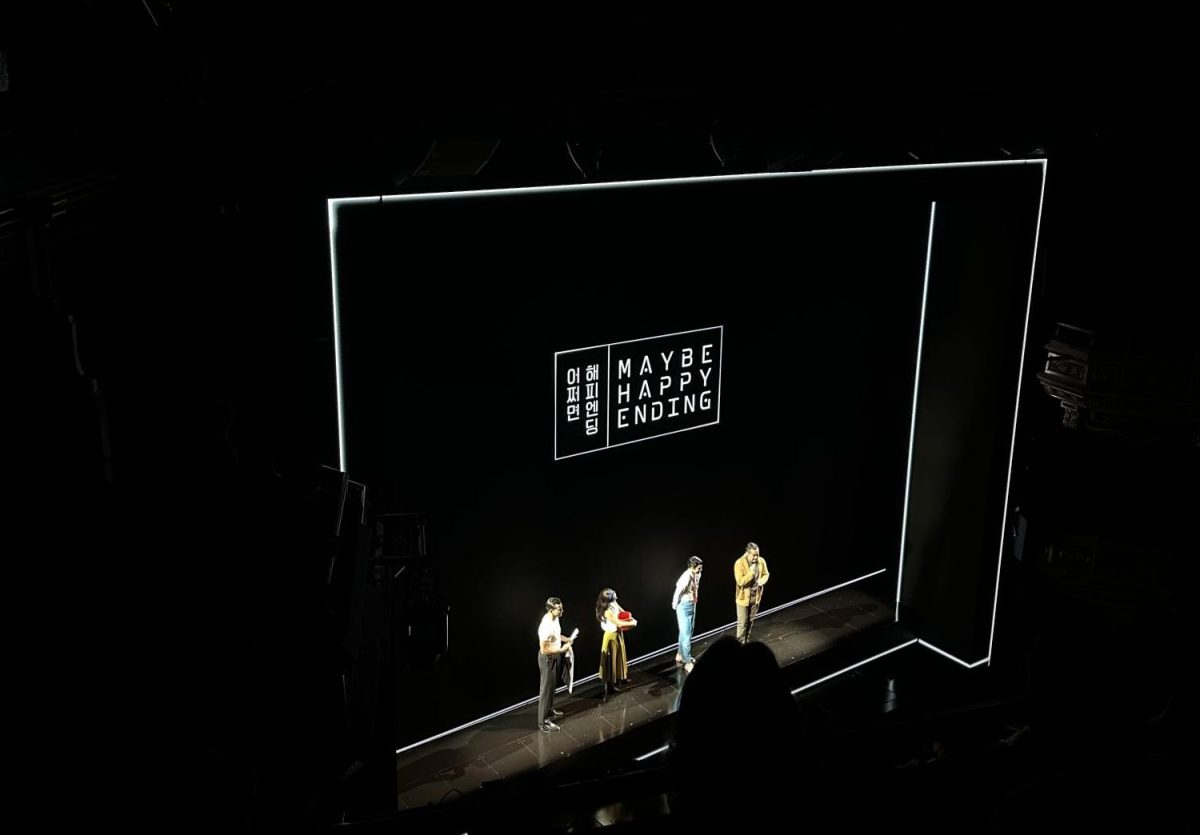
Furthermore, the story was appealing, and its production elements were also impressive. The musical leans heavily on jazz music, sung by Dez Duron, with an additional scene featuring a chamber ensemble of classical string instruments. The screen projections also contributed to the liveliness of the musical as the whole theater often went dark, and there were flashing lights everywhere. The choreography is also minimalistic but stylized, reminding viewers of the dances in Lalaland.
The two main leads showcase remarkable chemistry; they truly portray the growth of emotions and awkwardness in their roles. Using the small space effectively, their scene transitions remain smooth due to the help of the actors and the rotating rooms. Oliver, played by Darren Criss, demonstrated precise robotic movement, making the show more entertaining. Claire, played by Helen J. Shen, sang with effortlessly controlled vocals that felt satisfying to listen to.
The musical is absolutely worth watching. Its outcome represents a fresh direction for Broadway, proving that you don’t need loud or overstimulating effects to make an impact. It is the perfect show for the holiday season—a kind of sweet and comforting show full of warm, cozy, and heartwarming small moments.