





























































































































Every winter, houses are filled with the smell of molasses, ginger, and candy as bakers, friends, and families everywhere create fun, tasty houses. Gingerbread houses are one of the most popular holiday festivities, and building one is fun and interactive for all of the participants. People even enter competitions across the country to see who can build one better.
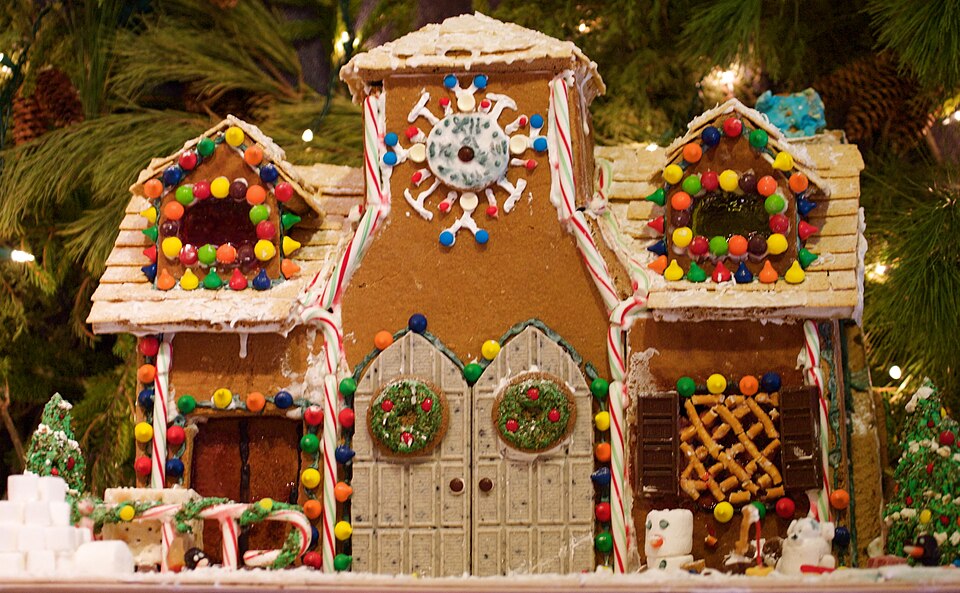
Gingerbread houses are miniature houses made of gingerbread, with frosting to stick the walls together. They are often decorated with frosting and small candies, like gumdrops or nonpareils. They can range from small, simple houses made with basic cookies and frosting to elaborate three-story houses and mansions with decorations on both the inside and outside.
Unlike most contests, flavor isn’t the biggest decider when it comes to gingerbread competitions; instead, it’s about how many details you can fit. Often, the best gingerbread houses are the ones that tell a story where every detail matters. It’s kind of like animation; everything is put together in a way that makes every little hand-drawn detail important.
One of the best things about these competitions is that anyone can compete. You can enter a competition with rookies, kids, adults, professionals, or anything in between. The competitions can also be in groups or solo, allowing for so many levels of creation and bonding.
One of the most famous competitions is the National Gingerbread House Competition, held in Asheville, North Carolina. Founded in 1992, it has grown into the “Super Bowl” of gingerbread contests, featuring hundreds of entries from across the United States, according to ABC News. Winners earn thousands of dollars in prizes, national recognition, and a chance to have their creations displayed in museums and hotels. The competition is for bakers of all ages and levels!
Many local libraries, schools, hotels and community centers also host smaller competitions each December, giving families and friends a chance to work as teams and share the joy of holiday baking. These local competitions also allow for further bonding in communities and are generally beneficial to the communities, as they tend to bring a crowd of people together to celebrate the joy of the holiday.
Social media also plays an important role in these competitions, according to Romper. Social media is a place where people can share ideas and opinions. However, online media has its own pros and cons. Specifically, Social media has set very unrealistic expectations for these gingerbread houses. People expect to get pretty and beautiful houses just as easily as the people in the video they are watching, but more often than not, many of the harder, uglier steps are taken out of these videos in favor of what looks good. While that is a pretty big con, social media also allows for people to bond and laugh over failures. It allows people to not only connect, but also see that it’s not just them and that there are many people out there who have gingerbread fails as well.
Ultimately, gingerbread houses aren’t about the competitions—they are about the connections we make while creating them and the experiences we share with the people we do it with. Whether the house is a heaping mess of frosting and cookies or a towering architectural masterpiece, at the end of the day, it’s only worth it if you had fun making it!