















































Scrolling through new releases, I keep waiting for a movie to reach the level of the 2000s classics everyone used to quote without thinking. Films arrive with hype and vanish just as fast, pushed aside by the next trailer before they have time to be fully watched. None of it feels like it’s becoming part of our shared language, and I’m left wondering whether the problem is the movies themselves or the way we meet them now.
The simple answer is both. Modern films struggle to reach the audience in the same way earlier hits once did, and that makes it harder for any title to grow into a lasting public conversation. A movie becomes well-known when people can view it together and keep talking after the credits roll, carrying lines into conversations. Now attention is split across different platforms and different weeks, so a film rarely lives long enough in media and discussions to become anything more than a first click.
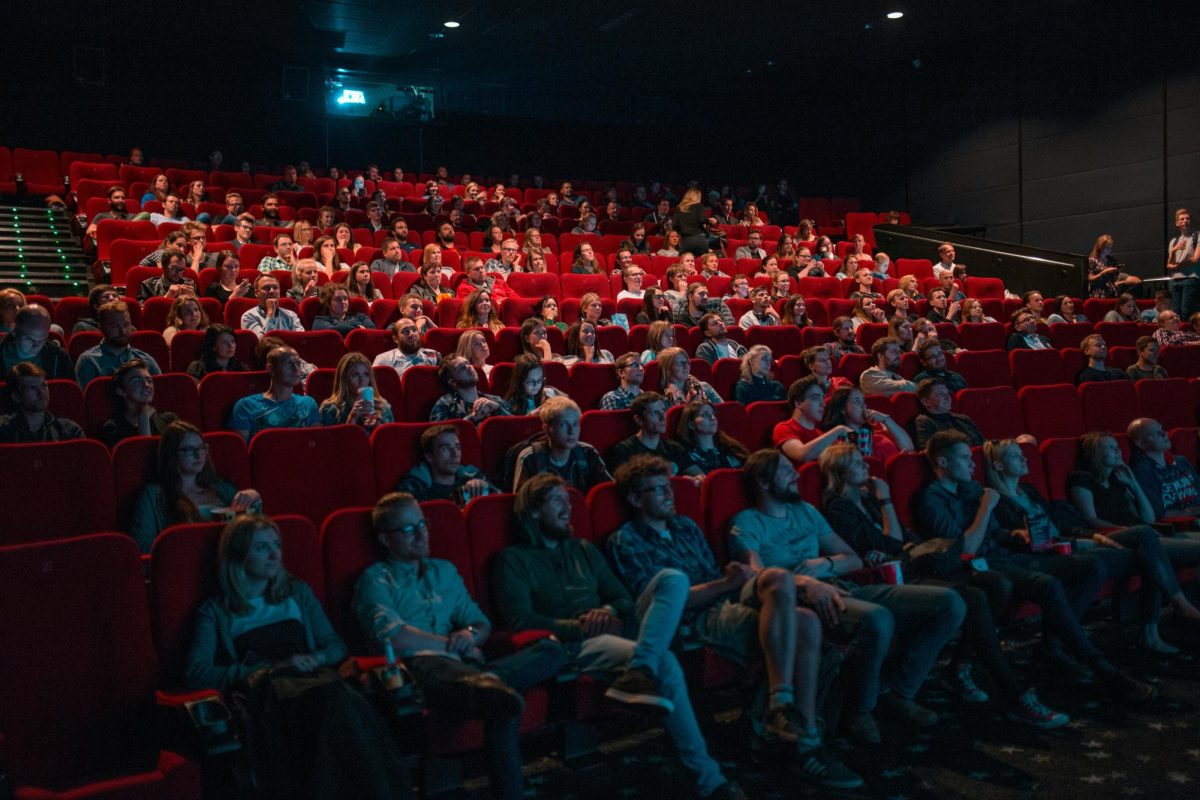
A film does not become a classic only because it is good, but because the act of watching creates memories that attach to real life. Earlier hits lived inside DVD cases passed between friends, or inside theaters where strangers laughed at the same line, and those settings became part of the story itself. Today, the couch and streaming services have replaced those rooms, comfortable but forgettable, and the memory-making work is left to the viewer alone. Without a moment that feels tied to where and how we watched, even a strong movie struggles to follow us beyond the screen.
One recent example that feels closer to those older experiences is Housemaid, a film currently gaining buzz in theaters, even if opinions about casting aren’t unanimous.
“What made it stick wasn’t just the plot but the shared experience of seeing the gruesome moments together on a big screen,” Alex Gabriel (’29) said. “It was about the whispering reactions, laughing at the absurd, and restating lines on the drive home.”
The conversations didn’t happen in comment threads or quick clips, but in person and across multiple days, the way movie memories once spread.
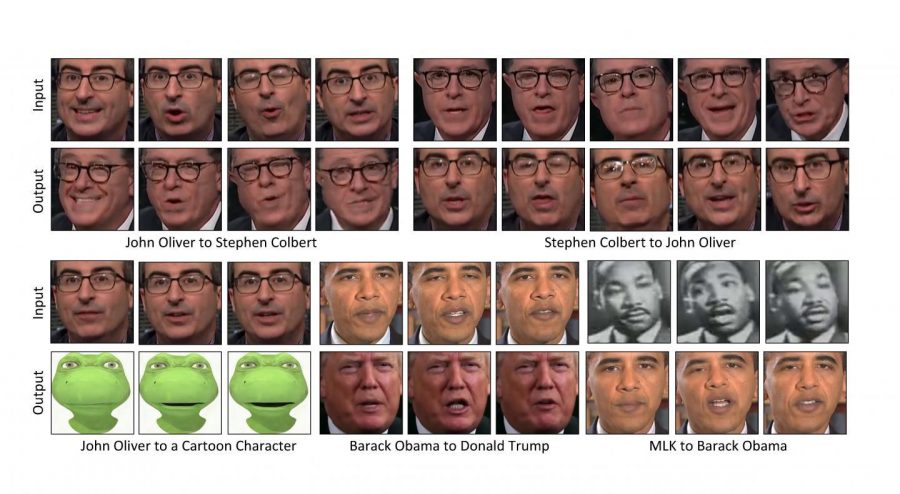
Modern technology and advancements in producing these new movies have also changed the level of dedication that was previously put into a role. CGI (computer-generated imagery) has recently been commonly used in films to enhance visual effects or action scenes. At first, CGI was an exciting advancement that helped television in all the best ways, shocking viewers with its extra-realistic effects no one had seen before on-screen. As time went on and AI had grown into something much bigger than just cool effects in a movie, it became clear just how little actors/actresses had to do now that CGI could do it all for them.
Recent Oscar-winning movies Emilia Pérez and The Brutalist, both used AI voice technology throughout their films. Many viewers and fans were annoyed at these movies receiving Oscars due to their use of AI.
“AI is getting the headlines because many are worried that the more it’s used, the more it could lead to job loss in Hollywood,” Carolyn Glardina said, according to Variety. “For SAG-AFTRA, protection of an actor’s voice, likeness, and performance is paramount. But the reality is that CGI and digital effects have been changing aspects of actors’ performances for years. If conversation around The Brutalist may seem overblown, it reflects the larger anxiety about turning creative work over to automated processes.
Discomfort among viewers is not the ideal reaction when watching movies, especially when it’s simply due to AI and the lack of understanding that the world is changing with film production along with it. All of these new movies are constantly being compared to ones in the past, but if they were the same as the ones in the past, wouldn’t everyone eventually get bored of watching the same thing? Trends change, technology advances, but timeless and classic films will always stick with you.
Movies used to be an event that we would gather around a TV or all go to the theater to watch together. Although this still occurs, it is not nearly the same. Today, streaming and AI have changed the way films are made, watched, and even valued. The excitement, the patience, and the shared experience are being spared as movies advance. Film will always evolve, but I hope we don’t forget the magic that made us fall in love with it in the first place.