










































































































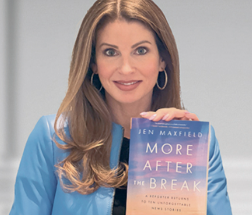
Before New Year’s Day rolled around, I already had in mind my New Year’s resolution: read more. My goal was to lose myself in books instead of just skimming through articles or scrolling through social media. Over winter break, I decided to get a jump start on that resolution and brought More After the Break: A Reporter Returns to Ten Unforgettable News Stories by Jen Maxfield with me to Florida. I remember sitting on the beach, the sun warming my skin, waves rolling in, and the soft sand beneath my feet as I opened the book. At first, I thought I would just read a little while enjoying the view, but Maxfield’s writing pulled me in immediately. I found myself forgetting the sun and the waves because I was completely absorbed in the lives of the people she wrote about. Her stories brought the title of each chapter to life, showing me that journalism is not just about reporting events but about capturing the human moments behind them.
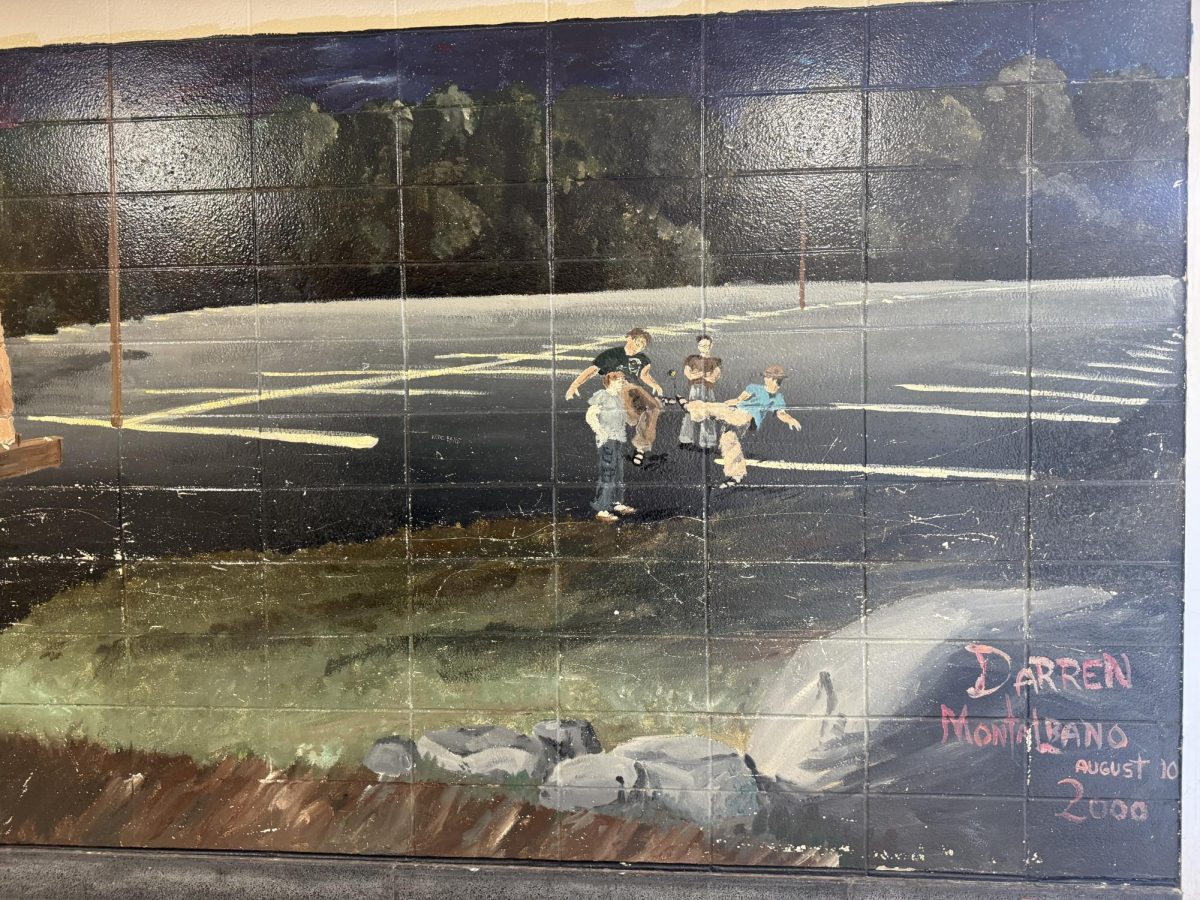
In More After the Break, the chapter “Racing Against Time” stayed with me more than any other chapter because it made Darren Drake feel less like a “victim” and more like a real person whose death could have been mine or that of someone I know. Darren is described as someone who used to be overweight and worked hard to lose weight, which made me see how committed he was to changing his life instead of just accepting things as they were. He created a five-year plan with specific goals and clear steps to reach them, which made him feel like someone purposely shaping his future rather than drifting through life. I found it meaningful that he collected watches because it shows he never wanted to waste time. It made time feel personal and precious to him, which makes the idea of “racing against time” feel even more heartbreaking. All of these details together showed me how much is left out when a tragedy is squeezed into a few seconds of TV news or a short news article, and this forced me to think about what it really means to tell a person’s story responsibly and respectfully.
Maxfield has taught me that good reporting is not just about being first to report the incident; it is about staying with a story long enough to show its long-term impact on real people and honoring who they were, not just how they died. When Drake was murdered, Maxfield was trick-or-treating with her kids, unaware of the terrorist attack that had taken place. With her work phone left at home, she was late to the news; however, she did not take this as a defeat. She may not have been the first person to jump on the story, but she was one of the only journalists who knocked on Drake’s family’s door without a phone call to ask if it would be ok if she came to talk to them. This specific approach to journalism has taught me that it is easier for people to shut down interviews over the phone; however, most are more inclined to speak to reporters without the phone call first. After reading Maxfield’s book, it’s going to be hard to read a short article again, without wondering about the deeper story and the “more after the break” that I am not seeing.
More After the Break is a book I would recommend to anyone, because the stories Maxfield tells are so human and relatable that almost anyone can see a part of themselves in them. While it is especially useful for students interested in pursuing a career in journalism—since Maxfield demonstrates her techniques and approach to reporting in a way that’s full of lessons to learn from—it also resonates with readers who simply want to understand the people behind the headlines. The book shows that journalism is about more than just facts; it’s about empathy, patience, and telling stories that honor the lives of real people. Whether you’re curious about the craft of reporting or just looking for a collection of powerful, moving stories, More After the Break is worth reading.