





















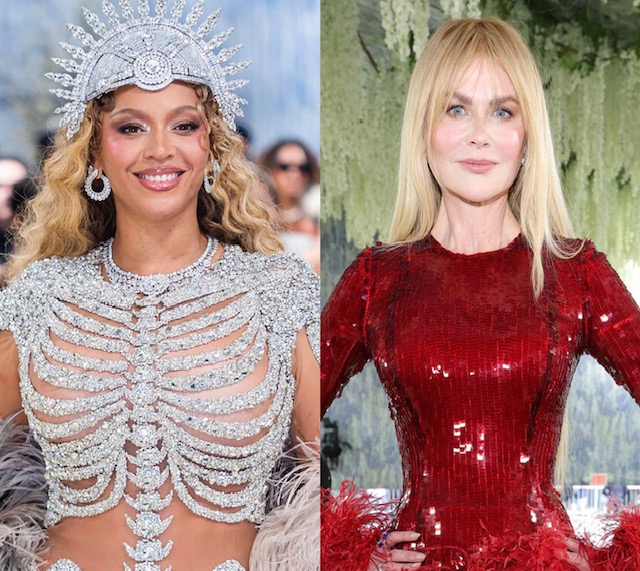
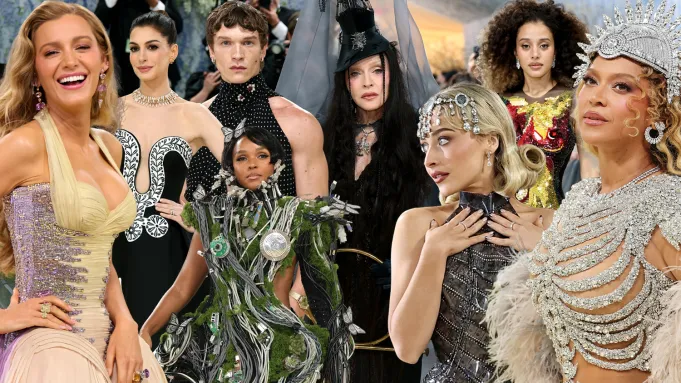













The world is dressed in chokers and millennial pink, drinking Starbucks’s “unicorn frappuccinos,” binge-watching the first season of Stranger Things, and listening to “Can’t Stop the Feeling!” by Justin Timberlake…it must be 2016!
Except it’s not.
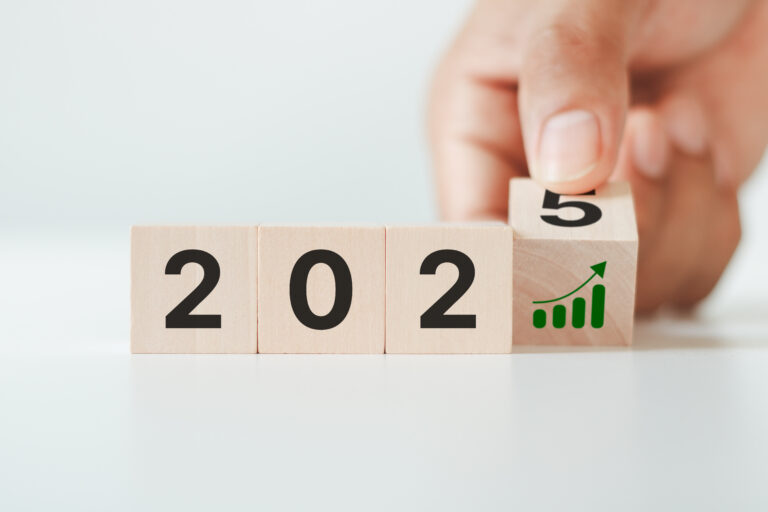
It is January 2026. And the world has embraced a new trend circulating the internet: 2016 nostalgia. My feed is teeming with oversaturated filters, Zara Larsson’s “Lush Life,” a motif of rainbows and dolphins, and a collection of photos from 10 years ago. In this day and age, each Instagram craze comes and goes like an airplane passing by just to suddenly disappear—yes, trends are ephemeral. But this one somehow feels increasingly promising. From major celebrities to the average social-media addict, it seems as if all are partaking in the latest internet movement.
But what makes this trend so different from the others?
For starters, the 2016 movement serves as an escape from reality. In an AI-dominated, fast-moving, post-pandemic world, people are fulfilled by reminiscing on their past. Since 2020, influencers and ordinary users alike have been referring to 2016 as the prime era of the 21st century. In the eyes of many, it was the year before it all went downhill; the last year of bliss. Carefree, colorful, and community-oriented, 2016 was the epitome of happiness. And by inserting not just ourselves, but the entirety of the internet, through a time-warp of the last 10 years, we can relive that profound feeling.
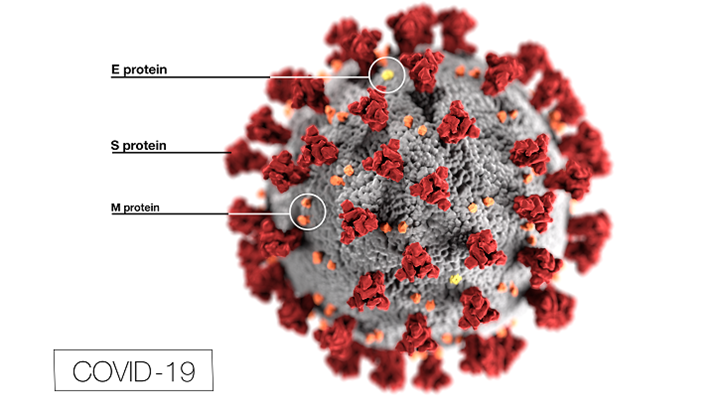
“People tend to be nostalgic when they’re anxious about the future or they’re not sure what direction in life to take,” psychologist Clay Routledge said to Today. “So I think this generation [Gen-Z] is dealing with those anxieties, and they’re using nostalgia as a way to respond to them.” The environment today is ever-changing as technology and social media continue to expand; people are uncertain about where their lives will take them, as it seems with each day, the world finds a new source of anxiety, a new feeling of restlessness. In such a rapidly moving society, people struggle to find a sense of peace, tranquility, and, more importantly, a break. The comfort of a world before COVID-19 seems unlikely to return, unless society as a whole chooses to orchestrate such a rebirth.
Moreover, the trend includes all internet users rather than being limited to a particular demographic. Whether the average 13-year-old on TikTok posts pictures of themselves when they were merely 3 years of age or a celebrity in her 30s releases photos of herself during her college peak, those of varying ages and walks of life are collectively participating in the movement. Those who can vividly remember what life was like 10 years ago reminisce on the exuberant, pre-COVID lifestyle, and those who cannot feel nostalgic for what life could’ve been.
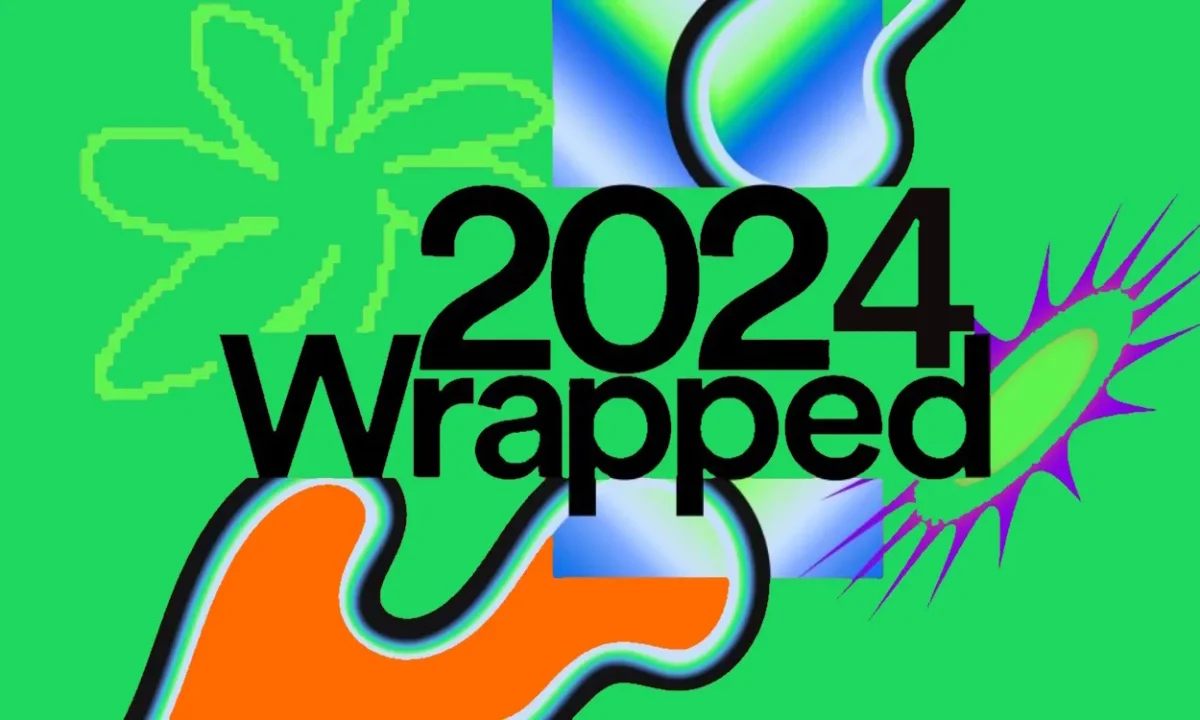
Even well-renowned brands are in line with the internet’s obsession of 2016. For instance, the official Spotify Instagram page posted a vibrant message directing users to find their “top 2016 songs on Spotify” in the app. Earlier, it also released a visual depicting various statistics concerning Spotify and the revitalization of 2016. In accordance with its post, “user-generated ‘2016’ themed playlists increased more than 790% on Spotify” since New Year’s Day.
Our world today is heavily influenced by AI. From academic assignments to grocery lists to generated images, AI has become a daily part of our lives. In particular, brands have been utilizing the innovation in their marketing tactics. If we are attempting to return to the solace of 2016, that means we must give up one thing: AI. Brands that have learned to depend on artificial intelligence must change these strategies to stay in line with the new (or old) era.
So, what does this mean for the internet’s future? Will the 2016 trend quickly fade and become a memory like any other, or will it leave a permanent mark on our world by remaining a societal symbol of pre-pandemic optimism, carelessness, and joy? Only time will tell.