
































































































Les produits, les pratiques, et les perspectives: the three terms have dominated the French 3H classes these two marking periods. The course’s units showcased cultures from around the francophone world. While homework assignments and readings detailed concepts of heritage, language, and practices, the students received a special opportunity this year—one that was more tangible.
The curriculum began with L’Ephiphanie, or la fete des Rois. On the first Sunday after the new year, this holiday featured a galette, a flat pie with puff pastry crust filled with almond frangipane cream. As a celebration of the Three Wise Men, families and friends gather to slice and serve the dessert. The youngest goes under the table and closes their eyes while they call out to whom the slice will be given. In the midst of the pastry layers, a ceramic collectible charm, or a fève, is hidden—oftentimes in the forms of small figurines and animals. The lucky winner is crowned the “king” or “queen” of the day, adorned with a golden paper crown.
The students were nothing short of eager.
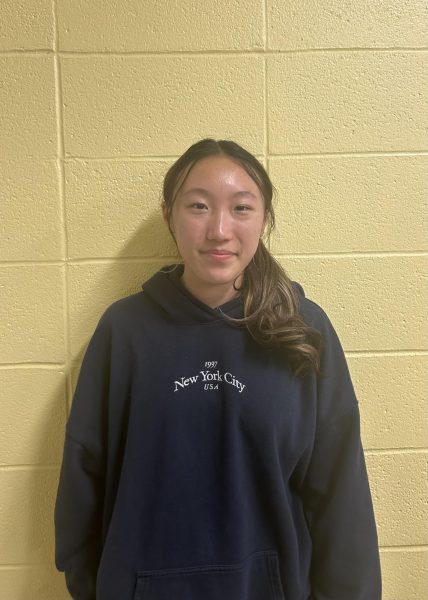
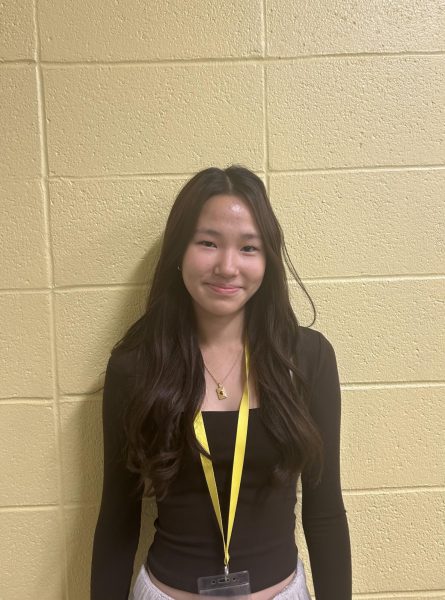
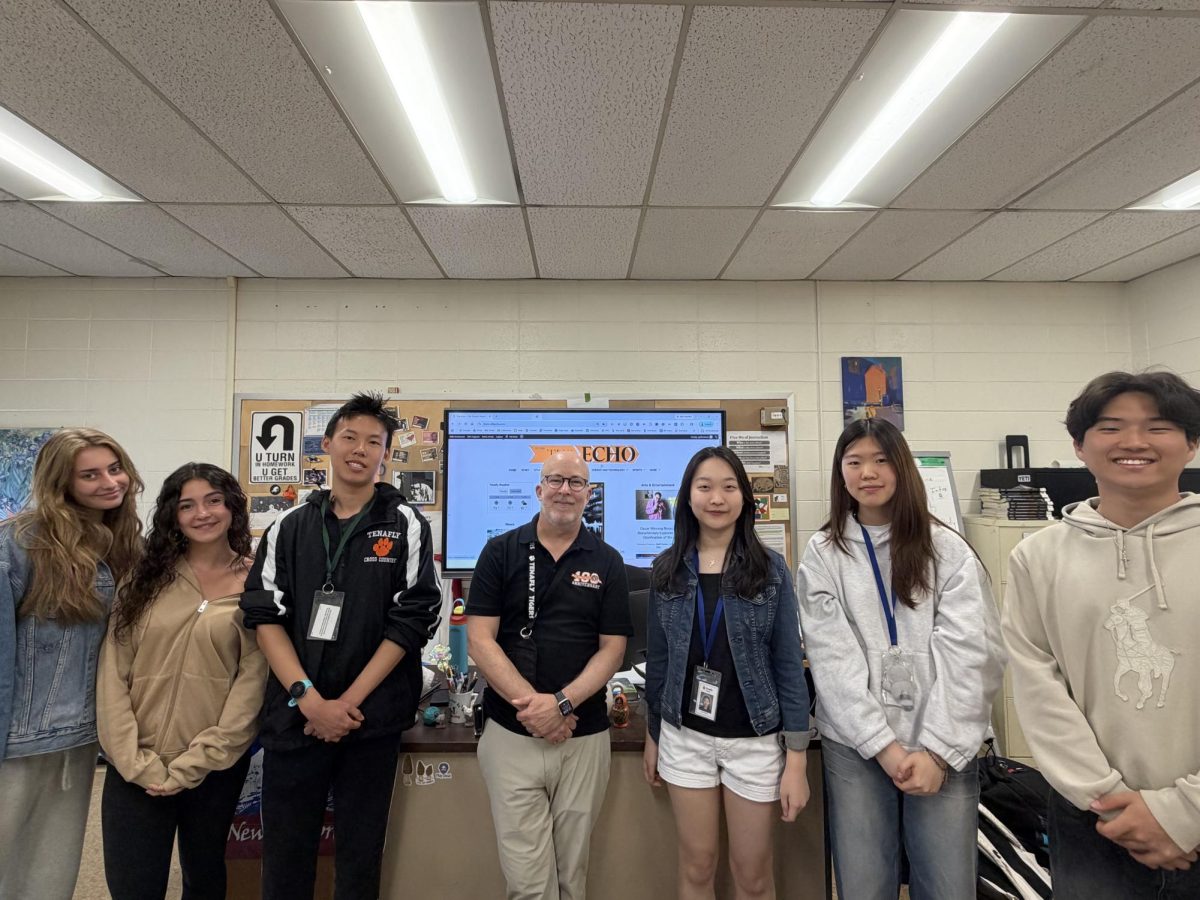
“I really appreciate how we actually get to experience French culture,” Helen Xie (’28) described. “It was such a fun and involving unit.” Madame Williams, their teacher, ensures that their immersive curriculum envelops the students beyond the slideshow into physical traditions and practices.
On February 2, the students had the opportunity to learn about La Chandeleur. Taking place forty days after Christmas, this holiday marks Jesus’ arrival at the temple. The name Chandeleur derives from the french word chandelle, meaning candle. In celebration, observers enjoy golden-yellow crêpes symbolic of the sun, bursting with flavor, a representation of the wisps of spring peeking out from the cold blanket of winter.
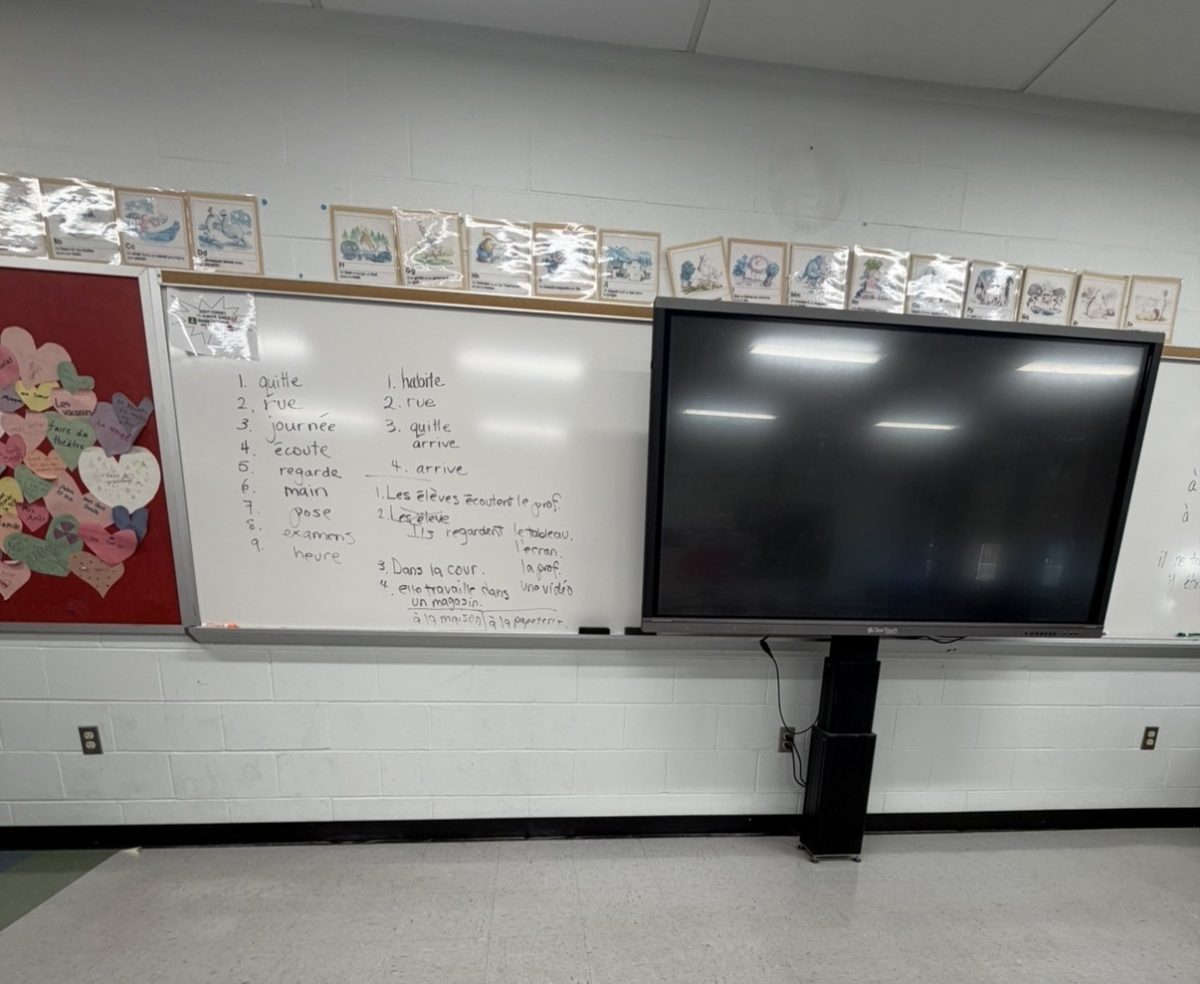
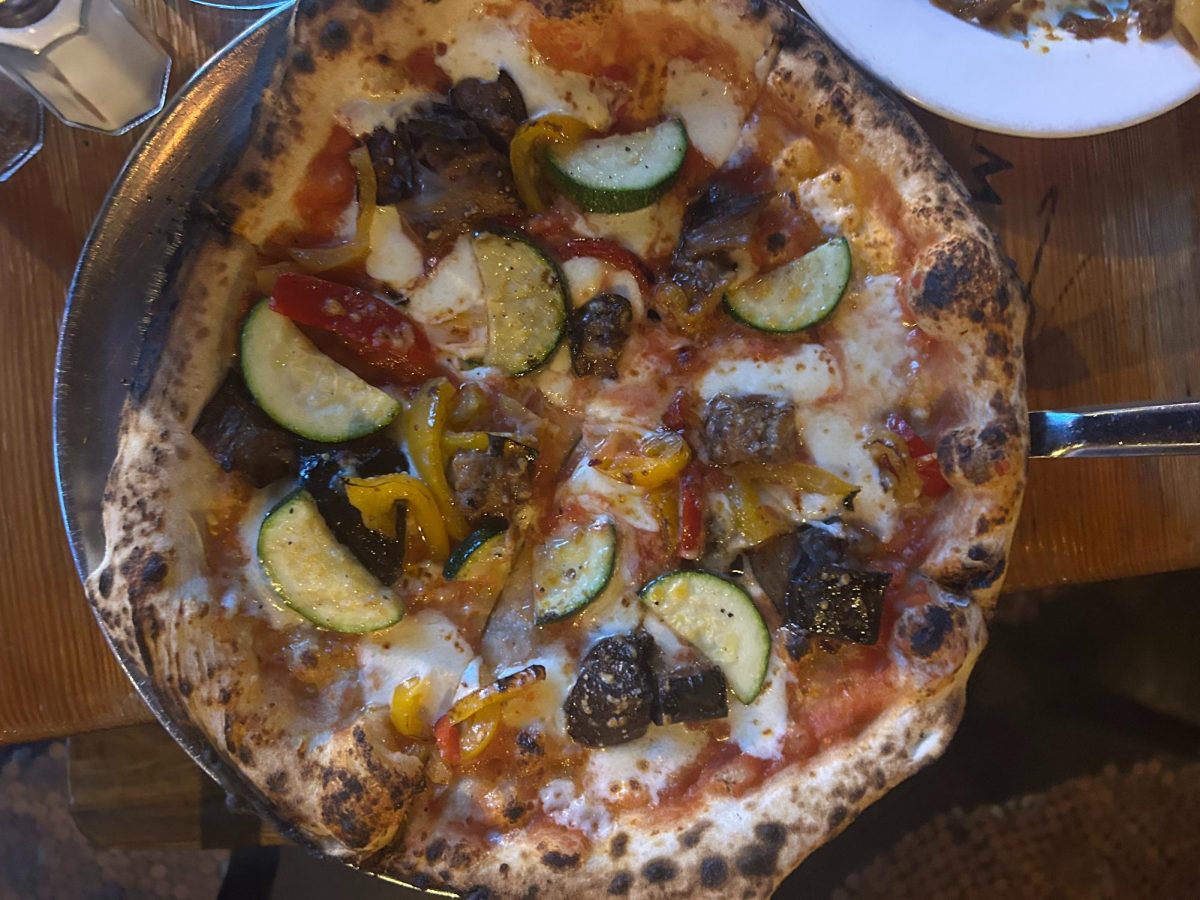
As a reward for their studies, the students were finally able to try the crêpes they had learned so much about. A list was posted in their classroom, each student filling out a table with provided ingredients. On Monday, the room was filled with the sweet scent of strawberries, Nutella, and condensed milk. At the center of the table lay the masterpiece itself: 14 golden-brown, perfectly round crêpes.
The crêpes came as courtesy of Victoria Vernay (’29) and her mother.
“La Chandeleur is a wonderful tradition—it’s always fun to make and share with family,” Victoria shared.
Their hard-earned crêpes were all the more enjoyable with their newfound knowledge of the history surrounding them. Afterwards, the students concluded their perfect class with a Kahoot about the holiday. This was particularly impactful, not only because it provided an opportunity to learn about culture, but because it allowed the students to fully immerse themselves in it.
This unit highlighted the importance of celebrating culture and focused on heritage. Culture is not always passed down through physical items; immaterial traditions are even more important, and there is no doubt that the crêpes emerge as so much more than just a dish. All foods have historical importance, bringing communities together in both making and trying them.
Although learning about every single culture and country may be difficult, the language classes at Tenafly play their part in keeping these traditions alive—just as Madame Williams did, with a taste of La Chandeleur.