

































































































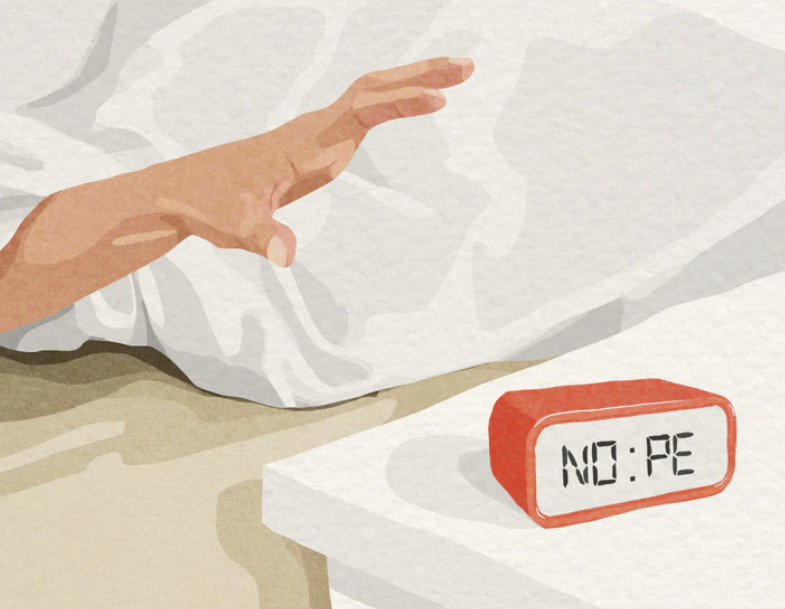




























































2025 marked the lowest level of happiness that the United States has ever experienced since the statistic, by USA Today, was created. The happiest countries have consisted of Denmark, Finland, and Iceland, which raises the question, what do they do that we do not?
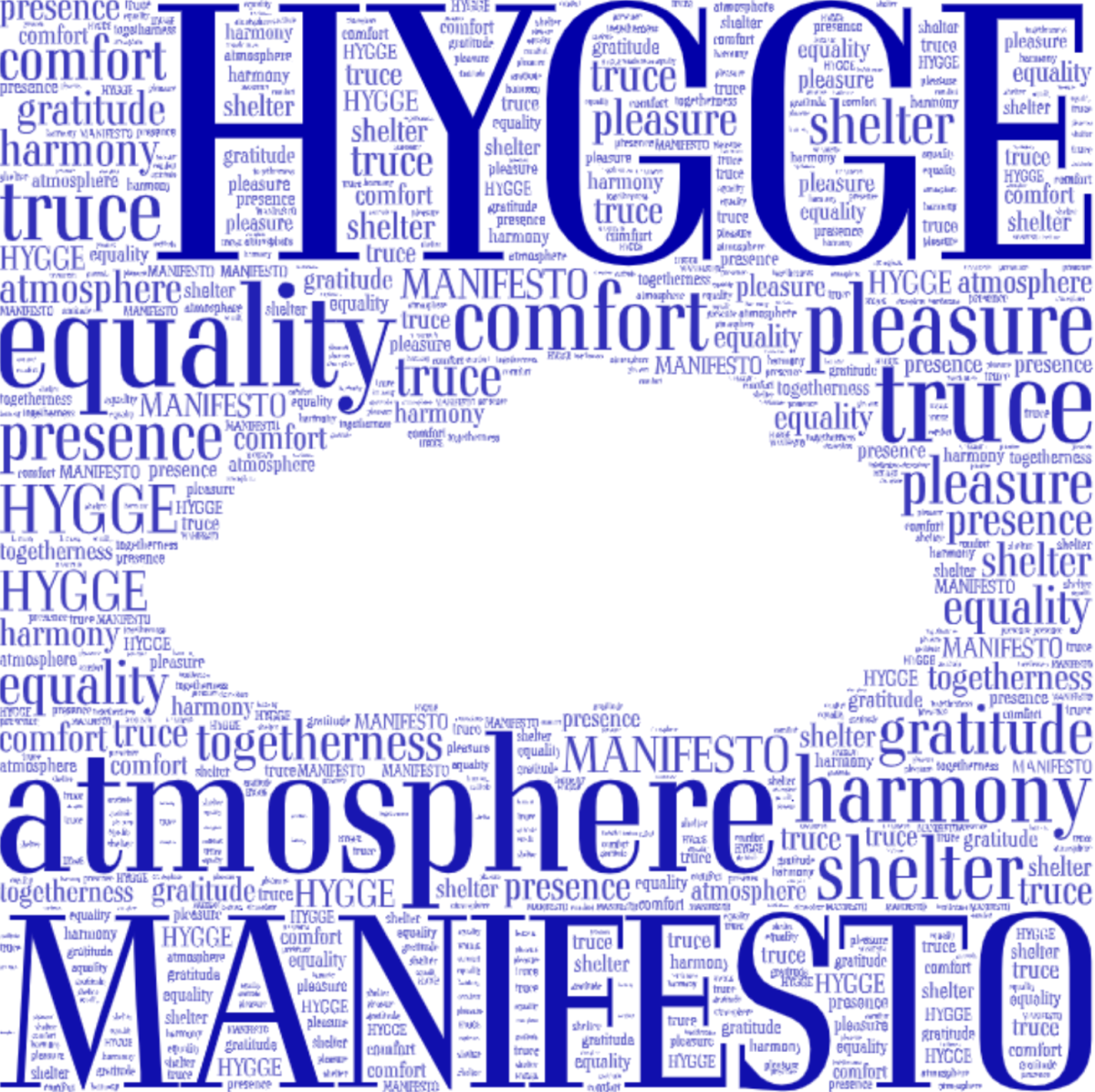
In an attempt to answer the burning question at hand, I began learning about the Hygge Manifesto. Created by Danish author Meik Wilking, the Hygge Manifesto focuses on 10 points: atmosphere, presence, pleasure, equality, gratitude, harmony, comfort, truce, togetherness, and shelter. These ten critical points work together to create relaxation and reduce stress, and they are especially important in the months of cold to fight the winter blues.
This Danish ideology was created by none other than the CEO of The Happiness Research Institute, Meik Wiking. Wiking has written four major internationally bestselling books, including The Little Book of Hygge: Danish Secrets to Happy Living, which he published a full decade ago in 2016. Although the Hygge Manifesto is years old, it still remains a Danish “secret” in the sense that many other countries admire the concept but struggle to fully implement it into daily life. The concept of Hygge is confusingly simple; it’s not a trend or purchasable product, it is a mindset. In Denmark, it shows up in small ways, like through being present in social atmospheres, being humble about achievements, and being free to do things of enjoyment. Habits like biking to get around or simply enjoying a warm cup of tea may seem simple, but they work together to create a culture consisting of balance.
One major difference between the United States and countries like Denmark is the approach to work-life balance, and for us students, school-life balance. We often find academics as a form of validation; our productivity becomes tied to what it means to be successful. Long hours of studying and constant busyness in the classroom are the most respected. In contrast, Denmark emphasizes flexibility, paid parental leave, and generous vacation time for adults. For students, schools place a strong emphasis on collaboration as a group environment over standardized testing (no SATs!). Danish schools even dedicate one full hour a week to a practice called Klassens Tid, translating to Empathy Class. Here, students are encouraged to discuss life outside of school, including social issues and personal problems. This practice improves mental health alone and helps create conflict resolution skills in kids from a young age. Happiness in Denmark isn’t something to be considered or thought about, because it is a priority that has been built into the system.
Another key factor has to do with equality. Denmark has a much less extreme income inequality compared to the United States, according to The World Population Review They rank high in social trust, too, meaning that people generally believe that others, including their government, will act fairly. When citizens feel secure and protected, they experience less daily stress. One part of the Hygge Manifesto, number eight, says to practice feeling truce. To let go of the drama and practice politics another day. This is one of the few parts of the Hygge Manifesto that shows its Danish roots; in the US, inequalities are more abundant, and truce may be more scarce.
Hygge also encourages presence, something increasingly rare in the 21st century—screens and constant notifications often shield us from living in the moment. The manifesto’s emphasis on togetherness highlights how important meaningful face-to-face connection really is. Whether it is gathering around a table for a home-cooked meal or spending an evening talking without phones, conversational interactions are a key part of Hygge and help improve happiness.
Denmark’s impressive happiness may not come from one dramatic policy or cultural rule, but from a combination of lifestyle choices and supportive systems. The question for the United States is not whether we can copy Denmark exactly, but whether we are willing to slow down, take a step back, and look at where we are—and how we can improve upon ourselves for the better, because happiness requires redefining what success truly is.