





























































































































































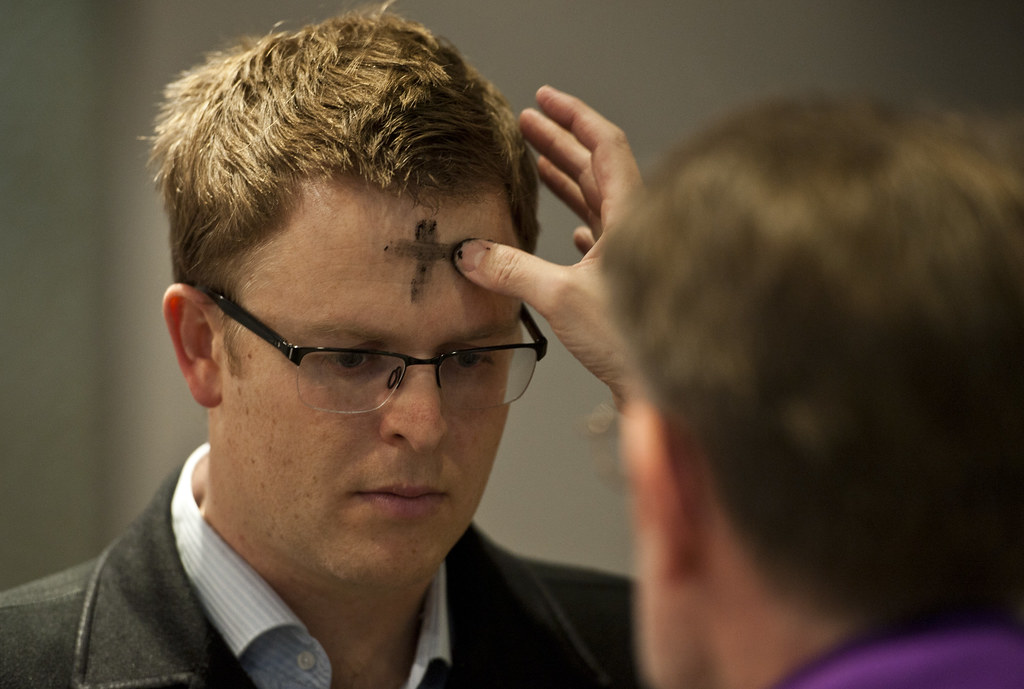
People were walking around with a black cross of ashes seemingly smeared on their forehead two Wednesdays ago. This practice was due to Ash Wednesday, the day that marks the start of the season of Lent. This year, Ash Wednesday fell on February 18.
Lent is a forty-day season of prayer, fasting, and almsgiving observed by Roman Catholic, Eastern Orthodox, Anglican/Episcopalian, and other Christian denominations. It usually begins anywhere from mid-February to early March, depending on the lunar cycle, and ends on Holy Thursday, which is three days before Easter. It is a solemn time of preparation for the joyful celebration of Easter.
It is quite common for people to choose something to give up during Lent, especially one’s vices or luxuries. Many Christians also abstain from meat every Friday because Friday was the day Jesus was crucified.
“Lent is a fitting time for self-denial; we would do well to ask ourselves what we can give up in order to help and enrich others by our own poverty,” former Pope Francis said in his Lenten message. However, Lent is about more than simply giving something up. It is especially important for Christians to spend extra time in prayer, reflect on Scripture, and aid the poor. Christians are also encouraged to use this time to reflect on Jesus’ life. In fact, these forty days of Lent symbolize the biblical story where Jesus spent forty days in the Judean desert in preparation to start His ministry. During this time, He fasted and prayed intensely, all while being tempted by the Devil. Christians use Lent to work on becoming closer to God and spend time praying and serving the less fortunate, just as Jesus did.
On the first day of Lent, or Ash Wednesday, many Christians attend a prayer service or Mass to receive a blessing of ashes in the form of a cross on their foreheads. These ashes are the burned remnants of the blessed palms from the prior year’s Palm Sunday. The ashes serve as a reminder to repent, or ask for forgiveness for one’s sins, but also as a sign of humility.
According to St. Margaret Mary Church, Father Thomas Merton, a Catholic monk, said, “Ash Wednesday is full of joy…. The source of all sorrow is the illusion that of ourselves we are anything but dust.”
In other words, people are reminded that we are all merely “dust” and will one day return to the Creator (God). In the Catholic Church, Ash Wednesday is also one of two days when people aged 18–59 are required to fast with only one meal and abstain from meat.
Following Ash Wednesday, Palm Sunday is the Sunday before Easter. Palms are distributed and blessed because when Jesus first came to Jerusalem, people waved palms and revered Him, even though they would later betray Him.
Then, Holy Thursday marks the end of Lent and the beginning of the Easter Triduum, which are the three most important days for Christians. It commemorates the Last Supper—the last meal Jesus had with his disciples before He was crucified. At this meal, He washed His disciples’ feet as an act of humility and service.
When Lent terminates at sundown on Holy Thursday, the focus shifts from repentance to remembering the Passion of Jesus Christ, or the events that lead to His crucifixion on Good Friday and, later, His resurrection on Easter Sunday.
All in all, Lent is about making space for change, whether that be spiritually, personally, or morally.