

























































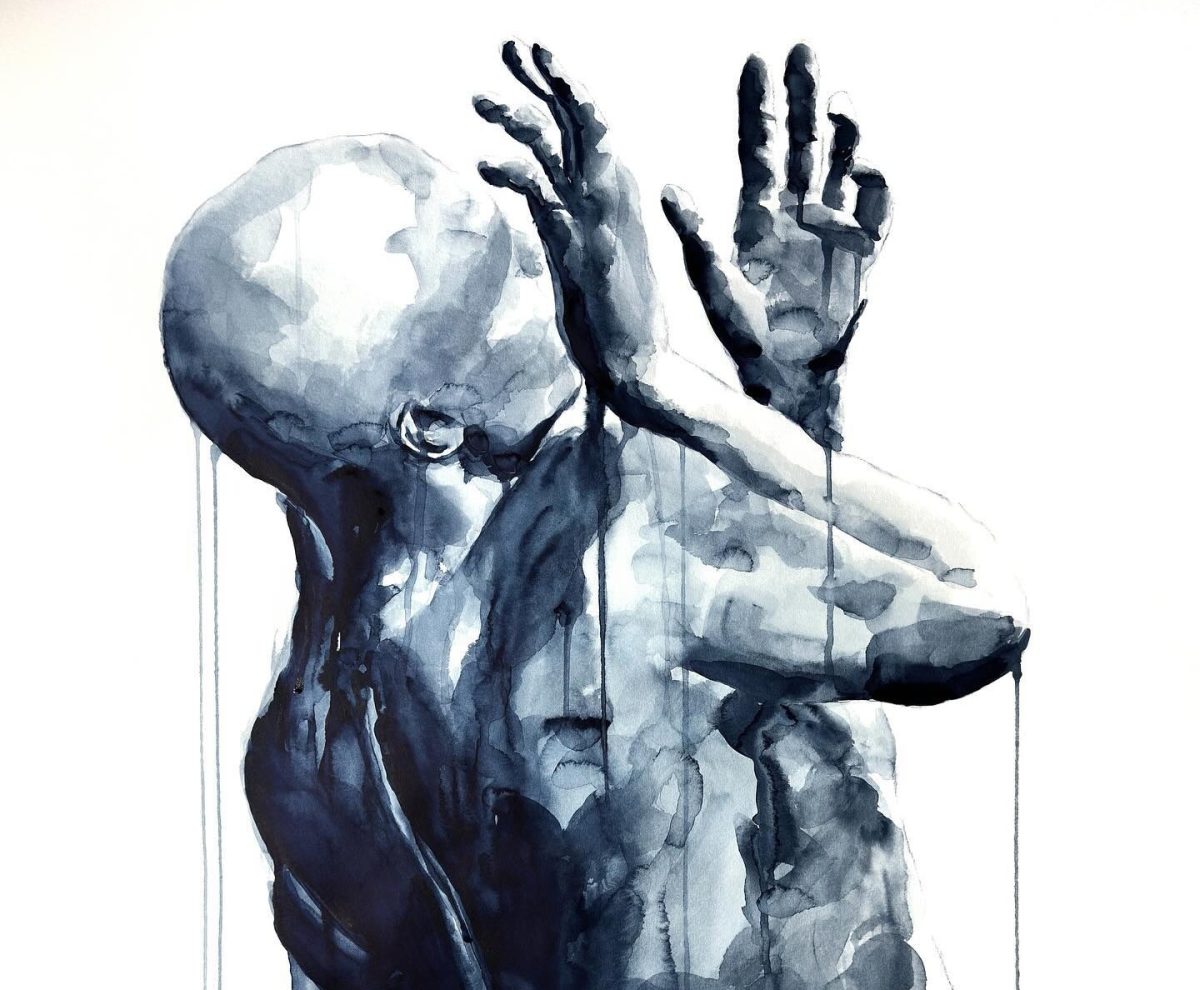











































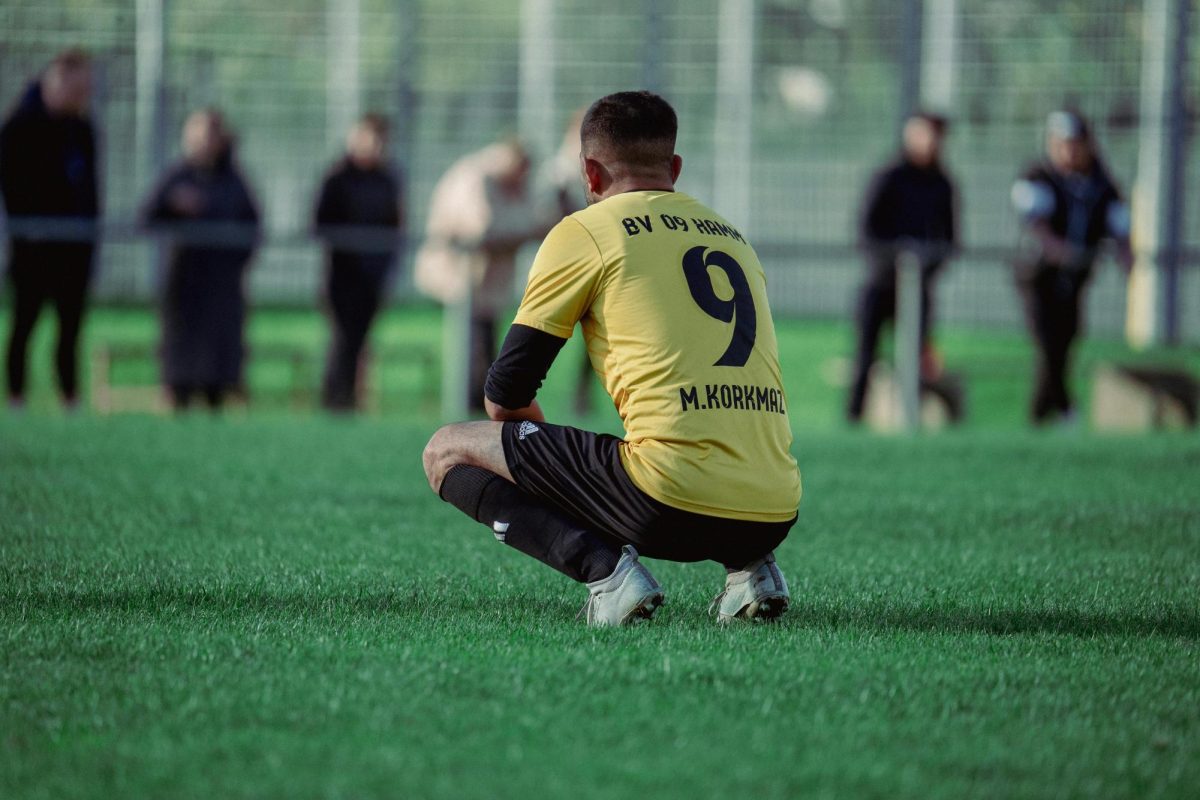
Imagine you are in the form of your life, everyone’s talking about you all over the world, and then in an instant, it’s all gone because of an injury. Soccer has always been a very physical sport, demanding a lot from the players, but injuries across the game have seemed to rise quickly in recent years. From hamstring strains to ACL tears, top players have missed more time now than ever before. At first, it felt like bad luck, but now it’s starting to look like a pattern. This season brought a new concern, and missing the World Cup in the summer only makes long-term injuries more painful. Major stars across Europe have suffered injuries, sometimes only days after finishing recovering from a previous injury. While injuries have always been part of sports, now, it feels like players are being pushed beyond safe limits.
One of the biggest reasons for this was the nonstop match calendar. Modern players no longer only compete in league games. They also need to play in domestic cups, European tournaments, expanded international breaks, preseason tours, and summer competitions. This gives players less time to recover between high-intensity matches.
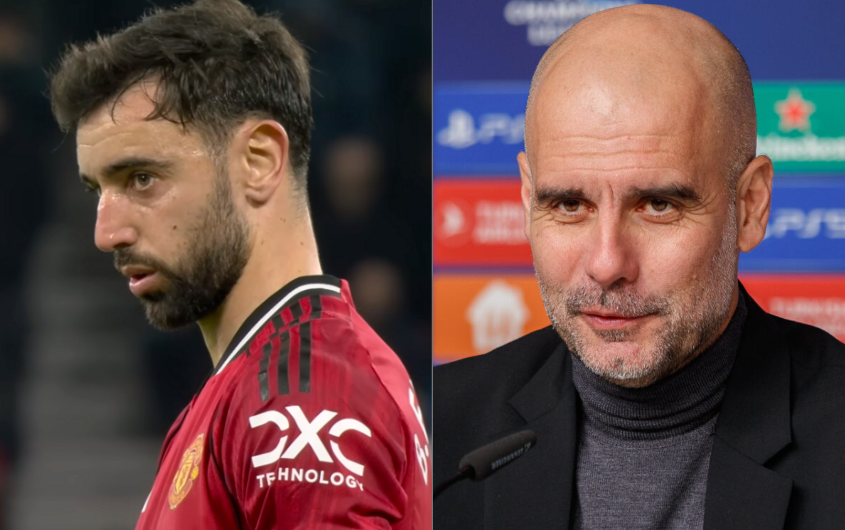
According to ESPN, Manchester City midfielder Rodri had warned about the growing workload before suffering an ACL tear himself. “The number of games is too much,” he said in a post-match interview.
Another comment came from former Liverpool manager Jürgen Klopp, criticizing the congestion of all of the matches during his time in England. Reported by The Guardian, he often said players were being treated like machines and needed proper recovery time. As injuries continued to mount among even well-conditioned players, those warnings became increasingly difficult to ignore. Sports science supports these concerns. Soccer is not just kicking a ball and jogging for 90 minutes. It’s nonstop movement, explosive sprints, sharp turns, tackles, jumps, and bodies on the line, all while players need to think quickly under pressure. In one moment, a winger may sprint full speed down the line. Seconds later, he must recover defensively and run full speed the other way.
Another theory that’s attracting attention involves retractable pitches. Some newer stadiums use fields that roll in and out to host multiple events. According to Yahoo Sports, critics believe constant movement and heavy use could affect traction and softness. There is no clear evidence that retractable pitches directly caused the rise in injuries, but it remains a widely cited theory, especially when players slip or raise concerns about certain playing surfaces.
The body rarely gets a break, and games tend to get more frantic towards the end, so players have to push themselves beyond their limits. Travel only adds to the problem. Top players fly across countries and continents for club and national team duty, usually with little time to recover. A player might compete in Europe midweek, travel to play for their national team, and then return to play just days later. The reason for all of these games? Money. The growing number of tournaments, preseason tours, and expanded competitions generates enormous revenue for clubs and governing bodies like UEFA. As stated by Deloitte Football, just last year, soccer clubs generated over €12.4 billion, which is roughly $14.5 billion), and that number will only increase over time. Injuries are no longer just a part of the game. They’re starting to shape it. The fans don’t want to see big games be affected by major injuries. Instead of fans waiting to watch their favorite player, now they just wait for them to hopefully come back and get back to their good form.
There are some disagreements within the soccer community, with some arguing that squads just need to be bigger now so teams can be rotated more during less important games. Others are arguing that the leagues should give players more recovery time. People working inside the major leagues are already talking about possible changes, but I don’t expect huge changes to come in the foreseeable future. Sports science and the medical departments of different clubs can only do so much when the schedule keeps getting heavier. If nothing changes, injuries won’t just be part of soccer—they’ll start determining the outcome.