














































































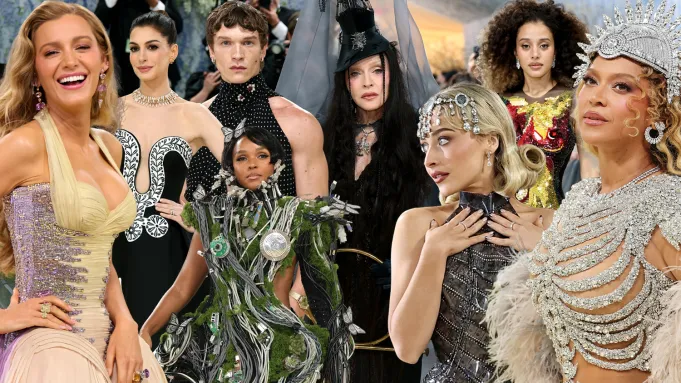























































Every year, once May rolls around, fashion’s most anticipated event is hosted at The Metropolitan Museum of Art. It’s a fundraising event where the most iconic influential figures come together and attend the Met Gala. This famous event is watched by viewers from all over the world excited to see their favorite celebrities walk up the carpet in the most luxurious gowns and suits, showing a celebration of creativity, culture, and self-expression.
In everyday life, fashion is often functional, trend-driven, and mass-produced. People wear outfits based on comfort and convenience. Everyday fashion may express personality through color, texture, or patterns, but is still designed with function in mind. The Met Gala, however, pushes fashion beyond daily wear. Designers and celebrities can collaborate to create wearable art that may never be worn again. The pieces of costume art are unique and symbolize stories, creating a lasting impact. This change raises the question: when does everyday fashion become art?
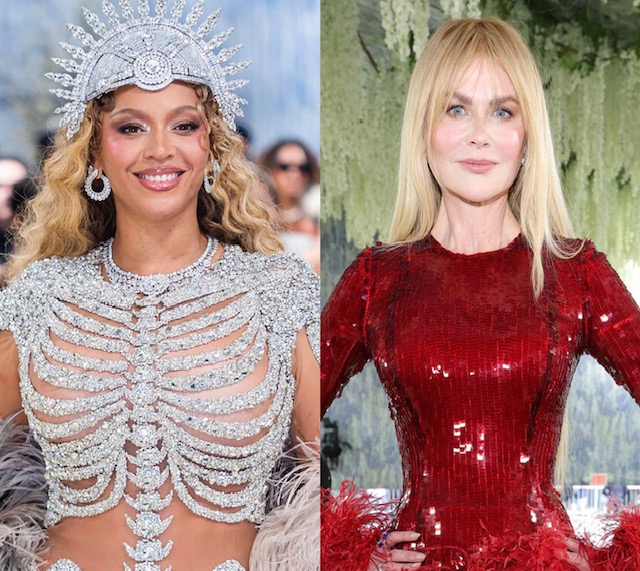
Costume art differs from regular fashion because it focuses on creativity rather than practicality. At this year’s Met Gala, garments were designed to capture attention and tell history. These pieces included dramatic silhouettes, extravagant accessories, or references to mythology and culture. Unlike traditional clothing, many Met Gala looks are worked only once and are archival pieces. Their purpose is not convenience, but artistic impact.
One memorable Met Gala look was worn by the famous musician SZA, who gave the audience a spark of radiant light with her gown designed by Emily Bode. The bright yellow dress with embedded diamonds paired with a giant, eternal headpiece is the definition of costume art. The butterfly- inspired details and glowing colors were magical, embodying the spirit of a mystical creature. According to Vogue, SZA’s dress was symbolic of happiness with the bright melyn yellow color of her dress. According to Bode, she was inspired to incorporate SZA’s love for nature into the garments by researching Vietnamese artists.
Another notable piece of costume art was Kendall Jenner’s gown bridging the gap between daily fashion design and costume art with the very well known brand Gap. Despite the brand being acknowledged for having a casual style, the gown that was worn by Jenner was definitely not casual. According to Vogue, it was inspired by the Winged Victory of Samothrace, a 2nd-century BCE Parian marble sculpture. This gown illustrates an ancient Greek sculpture with its flowing structure and tells a story of mythology and history.
The contrast between everyday fashion and costume art highlights how clothing can have multiple purposes. Everyday fashion focuses on accessibility and comfort, while costume art displays symbolism and emotional expression. Both forms of fashion are important, but the Met Gala allows designers to be creative by pushing new boundaries of what fashion can be.
The lingering question yet remains: when does fashion become art? Fashion becomes art when it shifts away from functionality and begins to show meaning, emotion, and identity. At the Met Gala, designers create garments that preserve memories, symbolize ideas, and inspire audiences. These creations show that clothing isn’t always just something people throw on; it can also be a powerful statement. Ultimately, the Met Gala proves that fashion and art are connected. While regular fashion shapes everyday life, costume art transforms clothing into unforgettable visual experiences. With historical inspiration and creative designs, the Met Gala continues to show the world that fashion’s boundaries can be pushed and be more than just style.