





































































































































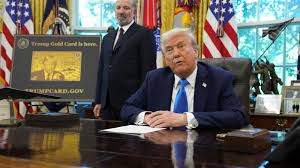
On Friday of last week, U.S. President Donald Trump announced a new annual fee of $100,000 for H-1B visa applications, a type of visa that allows companies to hire skilled foreign workers in specialized fields. The announcement has brought highly polarized and confused reactions from foreign employees.
According to The Guardian, the Trump Administration raised the price of the H-1B visa, claiming that the visas were being abused by companies to lower operating costs. Because the cost of the visa is paid by corporations and not individual workers, Trump is hoping that the increased cost of the visa will encourage American companies to look harder for workers domestically instead of outsourcing work to foreign nationals. Another change is going to be implemented to the visa application process: instead of the random selection, a weighted selection process will be used, with the most competitive wages having more weight in the selection pool. The administration hopes that this will incentivize companies to hire more skilled international workers. Currently, the annual fee only applies to new applicants. Already-existing holders do not need to pay the fee, and can still freely leave and reenter the United States.
According to The New York Times, the H-1B visa program was signed by Congress under George Bush’s administration in order to combat a looming labor shortage. Bush felt that the visa would encourage the immigration of foreigners with incredible expertise. Through the program, around 730,000 international workers currently reside in the U.S. It is important to note, however, that, the visa does not grant citizenship –– it only grants temporary residency to holders. However, many companies help workers with the visa apply for green cards, which in turn can be used to help gain American citizenship.
According to The New York Times, many tech leaders and politicians have been advocating for an overhaul of the current lottery system, and there is some optimism in this space that the current reforms will lead to greater long-term solutions to attract and keep foreign workers with even greater skills. In fact, according to BBC, the American tech industry is one of the largest sources of H-1B visas, with companies such as Amazon and Google securing thousands of visas this year alone. However, since the visa applies to every domestic company, small start-ups will also be affected by the new change. Unfortunately, many of these companies do not have sufficient funds to comfortably afford the new $100,000 annual fee. These problems apply both in the tech sector and outside, with areas such as healthcare and education being heavily affected.
Interestingly, India might feel the heavy effects of the new pricing. According to The Washington Post, the Indian government was quick to condemn the move, warning that the new annual fees could result in unnecessary pressure for families living separately across international borders. In fact, a staggering 280,000 Indian H-1B visa holders were in the United States. This means that many companies have come to rely on these workers, and many aspiring Indian professionals have used the visa to boost their career trajectories in the U.S.
Although the confusion and concern that the new policy brought is wide-spread, long-term outcomes and consequences have yet to be seen.