













































































































































On October 10, 466 employees in the US Department of Education received Reduction in Force notices firing them from their jobs, reflecting a recent trend set by the Trump administration. Workers in the education sector have been being let go in large numbers, and the primary targeting of special education in the US has raised concerns from educators, parents, and disability advocates.
In response, a federal judge temporarily blocked the firings, halting the layoffs while legal challenges proceed, as reported by USA Today. Because the order is temporary, however, the employees could still be fired if the ruling is overturned.
Among the most affected offices are the Office of Special Education Programs and the Rehabilitation Services Administration, which serve students with disabilities. Both offices are part of the Office of Special Education and Rehabilitative Services (OSERS), a critical branch of the Department of Education that helps oversee and support special education programs nationwide. Staffing in these offices has now been reduced to near zero.
“Only the two most senior staff remain in [the Office of Special Education Programs], and just one staff member remains in the Rehabilitation Services Administration,” as stated by the National Association of State Directors of Special Education.
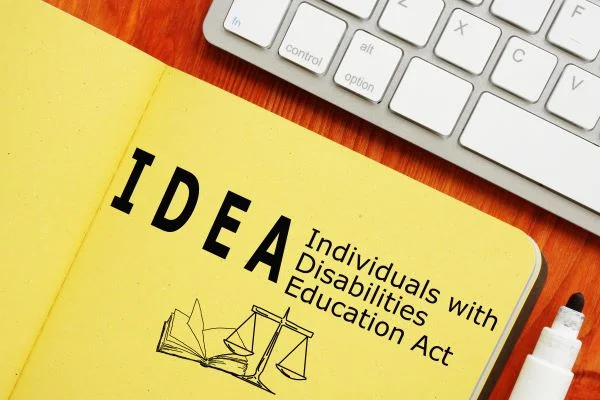
OSERS plays a major role in managing around $15 billion in special education funding. It also helps ensure that states follow federal laws like the Individuals with Disabilities Education Act (IDEA), which protects the rights of over 7.5 million children with disabilities across the country. According to the US Department of Education, IDEA “makes available a free appropriate public education to eligible children with disabilities throughout the nation and ensures special education and related services to those children.” Without proper staffing and leadership, many fear that these students could lose access to the services they need to succeed in school.
Massachusetts Governor Maura Healey spoke out against the move, stating on the state’s official website, “Donald Trump is weaponizing the shutdown to fire hard-working educators. Because of President Trump’s actions, our kids will lose the mental health care, tutoring, and special education they need. This needs to stop. The White House needs to end this shut down and reverse this decision immediately.”
Massachusetts Secretary of Education Patrick Tutwiler said the state cannot fill the gaps left by the federal government’s sudden withdrawal. “Massachusetts does not have the resources to replace the oversight, research, technical assistance and support the federal government provides families and school districts,” Tutwiler said. “Make no mistake—this action is going to exacerbate longstanding challenges around wealth inequality and make it harder for students to access IEPs, mental health supports, tutoring and so much more.”
Across the country, disability advocates and organizations are raising similar concerns as the shutdown’s effects spread.
But what does this mean for Tenafly?
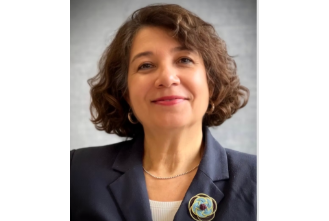
The Echo reached out to Dr. Sandy Mercedes, Director of Special Education for Tenafly Public Schools, a few days after the news.
She confirmed that the district has not yet seen any direct effects or received notice of policy or funding changes due to this event. “Tenafly does not anticipate any immediate impact on our district’s programs or services,” Dr. Mercedes said. “These funds are typically administered at the state level through the New Jersey Department of Education.”
“If there were to be a delay or change in federal funding in the future, the district would continue to prioritize the needs of our students with disabilities and ensure that services outlined in each student’s IEP are maintained,” Dr. Mercedes added.
Still, the future of special education remains uncertain as the court case and government shutdown continue. With most staff gone from key offices, many states and schools are left without federal guidance and support. This raises concerns about how well schools can meet the needs of students with disabilities and follow federal laws like the Individuals with Disabilities Education Act. Until a final decision is made, both educators and families are waiting to see how these changes will affect the programs and services that millions of students depend on.