














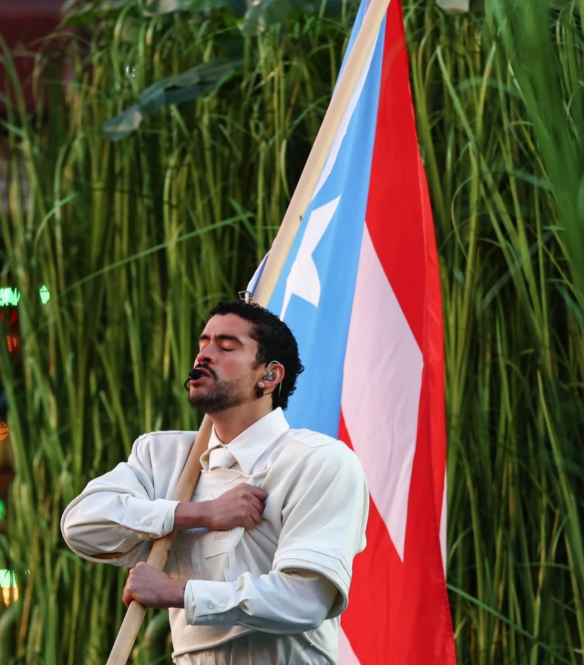





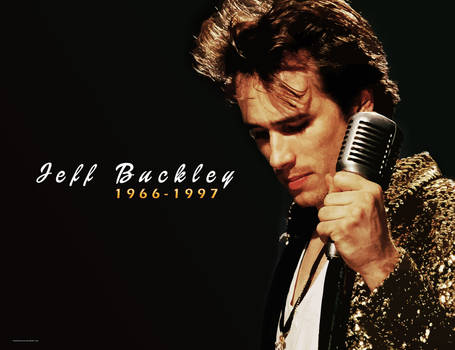
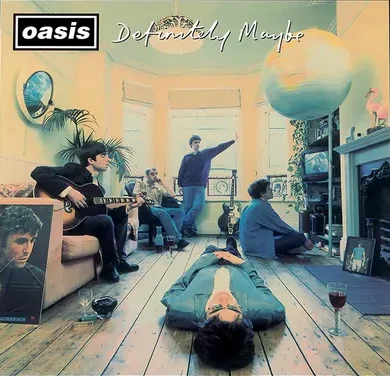
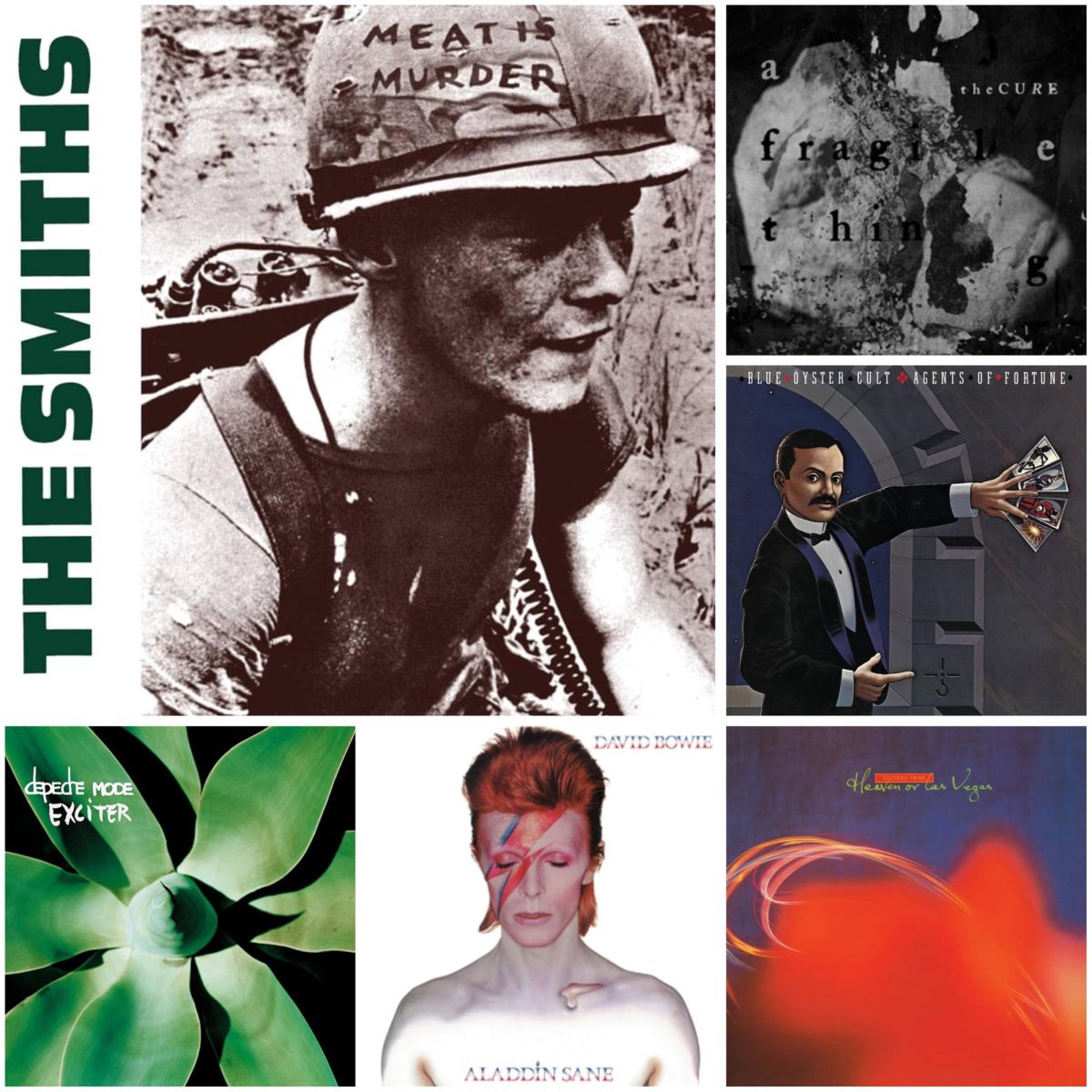

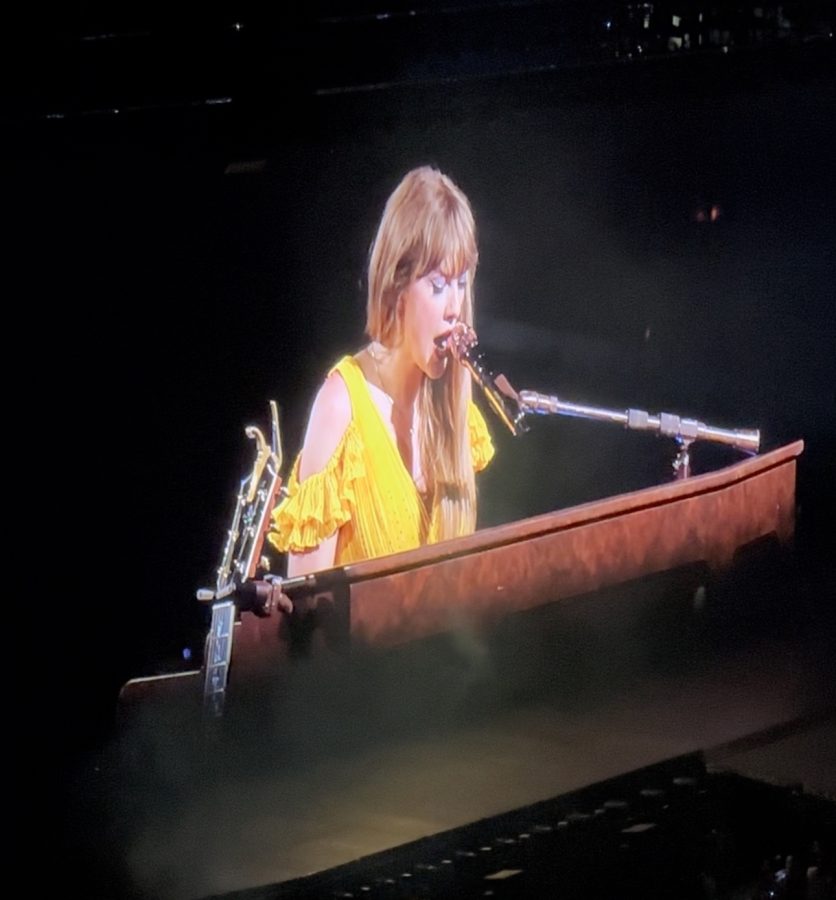













































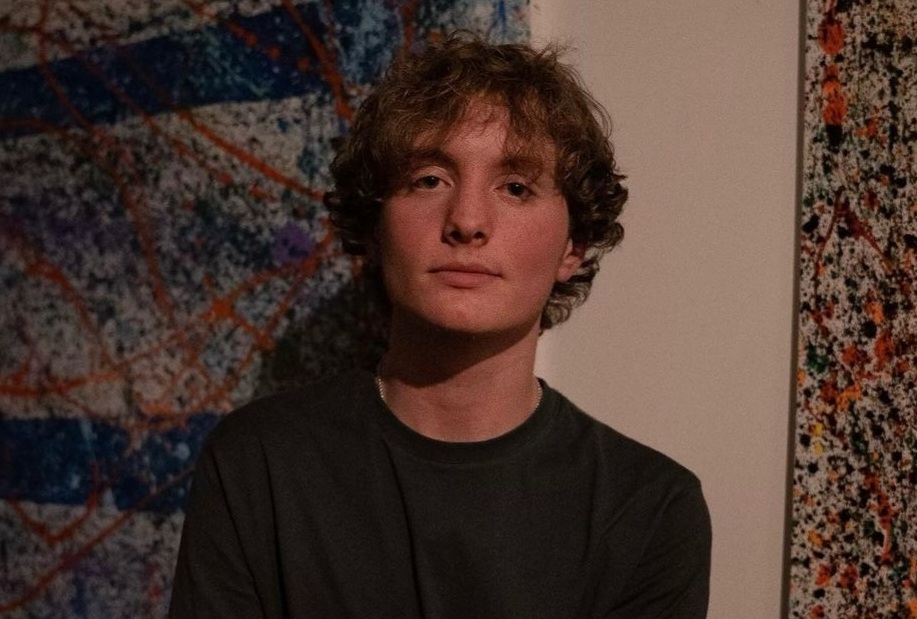












































The archetype that has taken over social media like wildfire: the Performative Male. A tote bag slung over his shoulder, wired headphones in, a matcha latte in one hand while reading feminist literature with the other.
For ages, people have been talking about the male gaze, but the Performative Male is cultivated for the female gaze. He carefully crafts an image meant to appeal to the progressive, 21st-century woman. And in some ways, he mirrors the insincere nature of Gen Z’s performative culture.
The Performative Male is more than just an ongoing social media meme; it’s a reflection of all of us. Performative culture has seeped into almost every corner of our daily lives, from our Instagram posts to our purchases. Labubus, Stanleys, and Birkenstocks have all become status symbols; they’re tokens of “coolness,” according to Forbes. Somewhere along the way, our generation has turned authenticity into an accessory.
Clothes used to be a form of self-expression, not just a label we flash on social media for external validation. I find myself doing the same thing—overthinking my outfits more times than I can count. When I get dressed in the morning before school, it’s not about what I like. It’s about what other people will think of me: Is this outfit too babyish? Can I really wear this as a high schooler? I’ll put something on and wonder if it’s “aesthetic enough” and if it fits the version of myself that I’ve built for others to see. Even when I go out with my friends, a part of me is always thinking about whether I should take a picture, and if it will look good on my story. and it’s strange how easily authenticity can be replaced by the quiet pressure to perform.
It’s not just me, however. I’ve seen people (including myself), talk about books that we haven’t finished, collecting dust on our bedside table, or hobbies we don’t actually enjoy just to cultivate a mask that we show others. We carefully curate our personalities in the same way the influencers curate their feeds. Even though the word “aesthetic” has been lost in translation, it doesn’t mean art, beauty, or individuality; now it is used to define a person’s image. We’ve divided ourselves into factions: clean girl, cottage core, and so on. These labels diminish individuality by giving an accepted template for how to dress, act, and think, all under the illusion of “aesthetics” being a form of self-expression. We no longer build identities from our core but from Pinterest boards and TikTok trends.
The worst part about performative culture is the fact that genuine authenticity and sincerity have started to feel embarrassing. Right now, it feels safer to hide behind a cultivated facade. It’s more secure to hide behind irony and detachment because on social media, vulnerability doesn’t perform well.
In the end, once you strip away the labels and take off the mask, there’s something freeing about being real. Sincerity is not fully gone; it’s in the unposted photos and in the clothes tossed in the corner that you actually like but are scared to put on, it’s in the playlists that don’t match an aesthetic. Though we live in a world that is obsessed with being seen, sincerity is not fully gone—it’s simply waiting for us to stop performing long enough to notice.