





















































































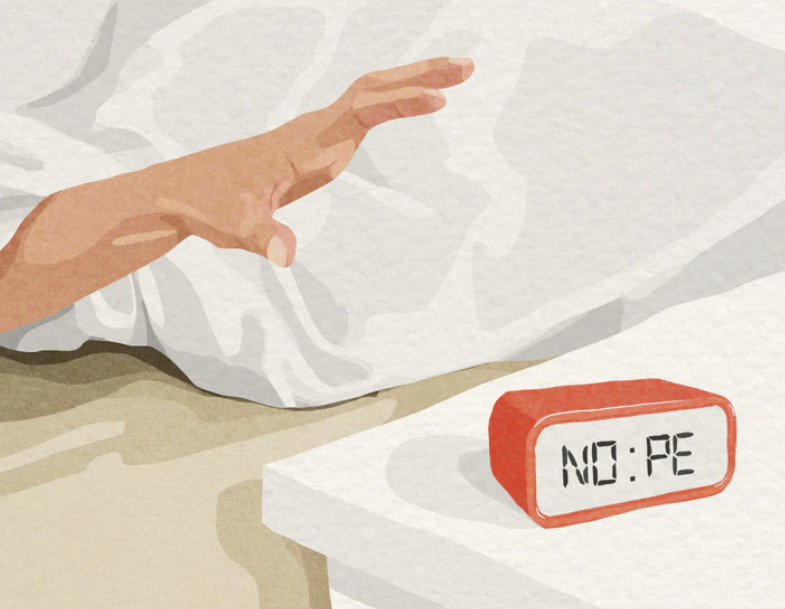




























































On Sunday, November 2, many of us woke up feeling a little more rested—or a little more confused—as clocks rolled back an hour. This event is known as the end of daylight savings time, and this year it occurred on Sunday, November 2 at 2 a.m., which meant people all over the world set their clocks back an hour to standard time. Standard time will last until March 9, when daylight savings time returns and clocks are set an hour ahead. Originally, daylight saving time was created to conserve energy, but today, it mostly continues out of tradition rather than necessity.
According to the Coloradan Alumni Magazine, daylight savings time was first introduced in Germany during World War I, specifically in 1916, as a way to save energy. However, this action was paused the following year. It was later reintroduced during World War II in 1942. The next couple of decades allowed states to switch between standard time and daylight savings time—with the exception of Hawaii and Arizona, which were more content keeping a standard time year-round.
When we “fall back,” sunrises slide forward an hour and sunsets occur an hour earlier instead. There are many benefits from this; however, there are three main ones. Primarily, mornings are brighter, which helps early risers and students feel more awake on their way to school. According to The Hill, these early sunrises help maintain melatonin levels, blood pressure, and heart rate. Additionally, the end of daylight savings time creates one magical day when people can get extra sleep and stay in bed for another hour. Some even enjoy the slower, cozier evenings that come with earlier sunsets, seeing it as a natural reset and a reminder of the changing seasons and approaching holidays.
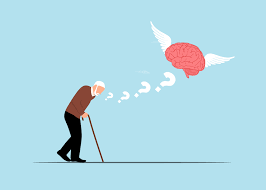
Yet, on the other hand, these small changes in the environment can affect your sleep cycle, a process that may throw off a person’s internal body clock, the circadian rhythm. The shorter daylight hours can affect outdoor activities and mood, making some feel groggy and tired. Additionally, for some it affects routines, causing productivity and sleep schedules to be disrupted, leading to irritability and mood swings. When discussing more severe consequences, the end of daylight savings time can increase the possibility of getting a heart attack or stroke.
This biannual cycle of switching between daylight savings and standard time might be an unpleasant task for some. In fact, some states in the US have begun making changes to avoid this constant shifting in time. On Monday, November 11th, lawmakers took the first step to have New Jersey pause daylight savings time. The New Jersey Senate Transportation Committee approved a bill which stated that New Jersey may remain on daylight savings time permanently. The proposal notes that while residents are adapted to longer daylight savings periods, federal law does not require citizens to remain on it year-round.
Isabella Rainone (’29) expressed her opinion on the topic: “I do believe that daylight savings should be abolished because we are not gaining anything from it. If anything, it is resetting people’s internal clocks, so they are disoriented when they wake up that first week. It’s not useful—if anything, we should go back to the regular time.”
Brighter mornings and an additional hour of sleep may seem like a pleasant positive for the time being, but the frequent switching can quickly feel outdated. Maybe it’s time for a change—we can stop turning back the clock and start moving forward for good.