

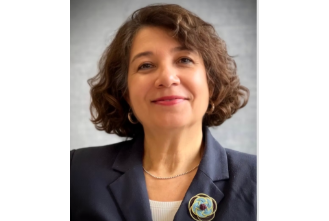
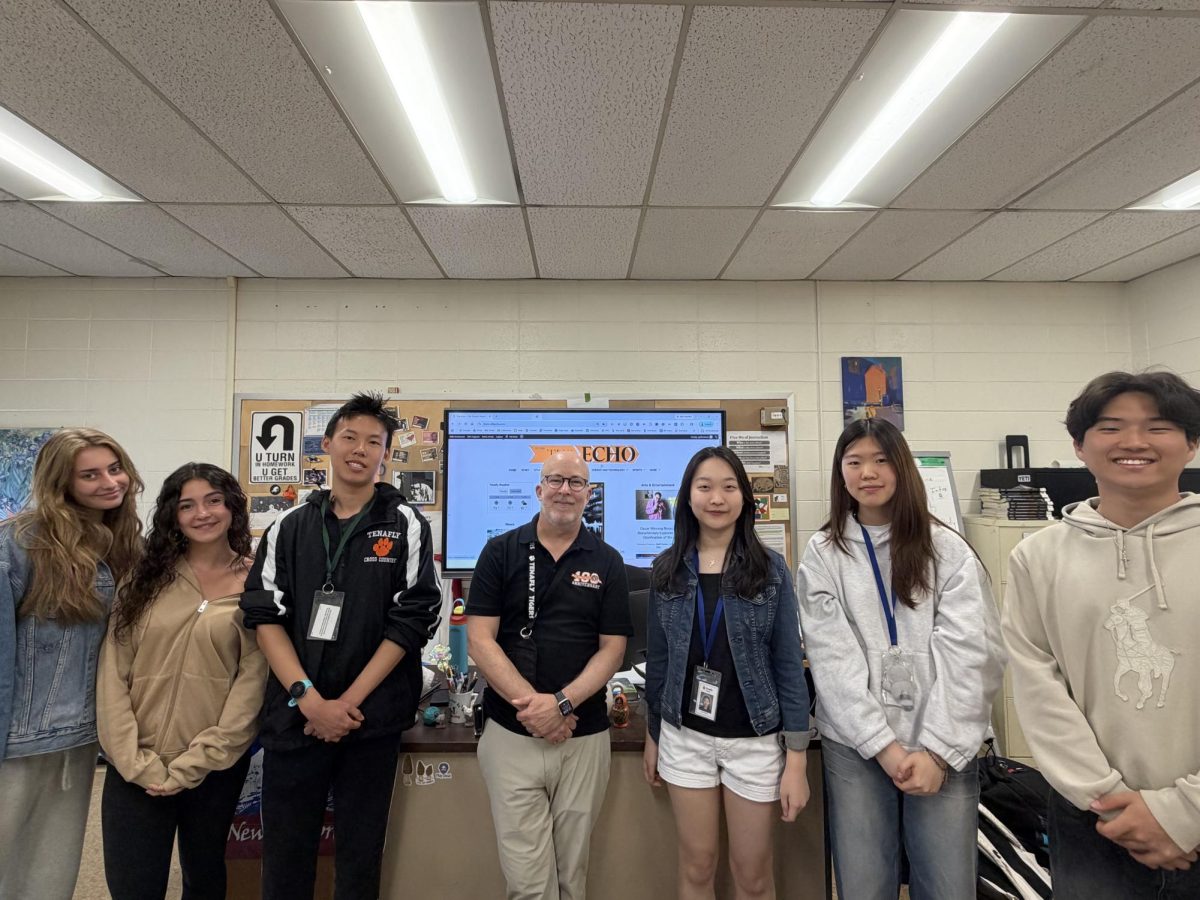















































There’s something chilling about realizing that this is my 50th article written on The Echo. Since each piece averages around 600 words, times 50, it’s 30,000 words written. That’s about 110 pages in a paperback. And they’re not bound by chapters and plot, but by timestamps. By events. By people. Fifty articles later, I find myself staring at the list of my published articles the way you might look at old photographs.
It’s odd, this story-keeping, this way stories accumulate when you’re not counting. One day you’re deleting weekly TWITE emails without even opening them, and the next, your name is there in the byline, 50 times over. Strangely, at the start of freshman year, I never planned to write for The Echo. When friends and teachers asked if I was joining or a part of it, I laughed. “I’m not a journalist,” I kept telling them. And I meant it. I thought journalism belonged to people who could shape words into facts rather than feelings, into thorns rather than roses, into certainty rather than the trembling possibility of truth.
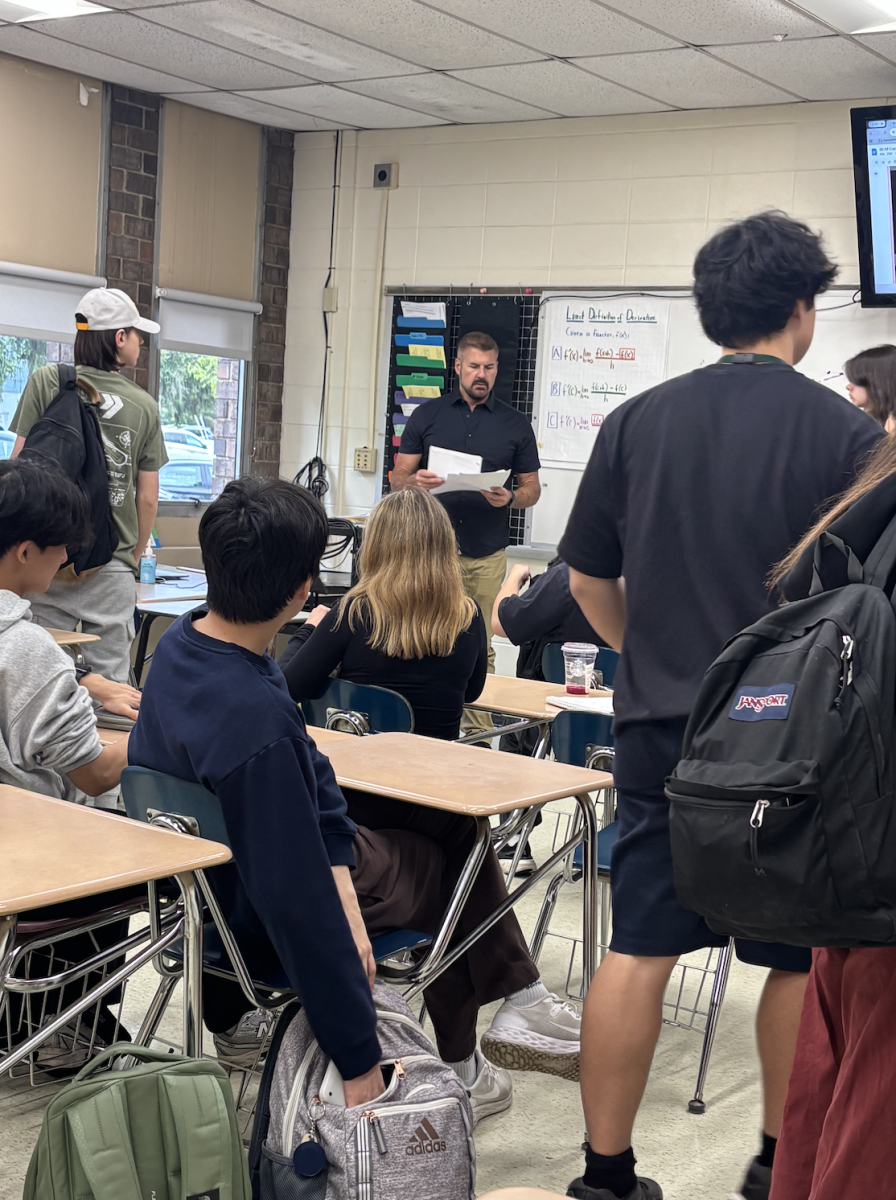
But sometime during winter break, I changed my mind. I don’t remember exactly why. Maybe it was curiosity. Maybe it was the longing to belong somewhere words mattered. Regardless, I still remember my first article—it took two hours to write and twice as long to submit. My fingers hovered over “Submit” like pressing it would detonate something. By the second week, I received a private message and was told not to add spaces between paragraphs. It was a small correction, but there was a special kind of relief in being corrected gently, especially when I didn’t want to mess up. By the first month, I wrote my first feature: a chaotic piece on Dystopian Literature CP projects. Reading it now is almost painful due to the chaos caused by the silence of unanswered interview emails and the pauses of an unprepared interview. Thankfully, the Dystopian Lit teacher back then was patient enough to let me stumble my way into a story.
Writing these 50 articles taught me four things about writing, listening, editing, and reading.
I have learned, as a writer, that we all carry the literary fingerprints of those who shaped our writing. Sometimes I’ll reread a line and think, ‘that sounds like what she would write,’ or ‘he used to phrase this like that.’ Without meaning to, we blend their style, their cadence, and their palette of colors into our own writing; we become a collage of every writer, teacher, and editor who has ever touched our work.
As a listener, I’ve learned how deeply the people we write about stay with us. The club leaders who asked for features, the student who poured 2,018 words into an interview email, they all linger in the margins of every story that comes after.
For editing, I’ve learned that there’s a kind of vulnerability in holding someone’s words. This year, I was thrown into editing for three different publications in three different genres: creative writing, journalism, and creative nonfiction. Each one taught me something new about the fragile line between guidance and intrusion. Everyone has a writing style of their own, and that makes editing even more delicate. Editing is about recognizing the difference between a mistake a writer can fix and a line that’s simply part of their voice. I’ve realized that it was less about reshaping someone’s voice and more about helping them hear it more clearly.
And then there are the readers. The ones who wrote back, the ones who found me in hallways, classrooms, or even during lunch to say they had read something I wrote. Those moments always catch me off guard, whether it may be a passing “I liked your article,” a handwritten card in response to my opinion article on handwritten cards, or a personal connection found even in the most factual of articles. Some messages arrived in my inbox, some in person, but they were all reminders that words don’t just live on screens.
I used to think writing for The Echo was a staircase. Something you climbed until you reached the top for some final, finished form of yourself. But it isn’t. It’s more like an echo: repeating, reshaping, fading, and returning. From my perspective, that’s what The Echo really is. Not a paper, not a collection of articles, but a chorus of voices caught mid-breath, voices colliding, overlapping, rising, and falling. And I, 50 articles in, am still learning to listen to those murmurings.