



















































































































































Over a month after the October 19 theft at the Louvre, on November 28, police investigators arrested the man who was thought to be the fourth and final member of the Louvre heist gang. But what’s alarming about the heist wasn’t the heist itself. It was the reaction—the strange, shimmering way the world seemed more enchanted than disturbed.
The Louvre robbery should have been a moment of collective disbelief and concern. Yet, instead of focusing solely on the seriousness of the breach, a sizable portion of the human population fixated on something else entirely: how cool it all seemed.
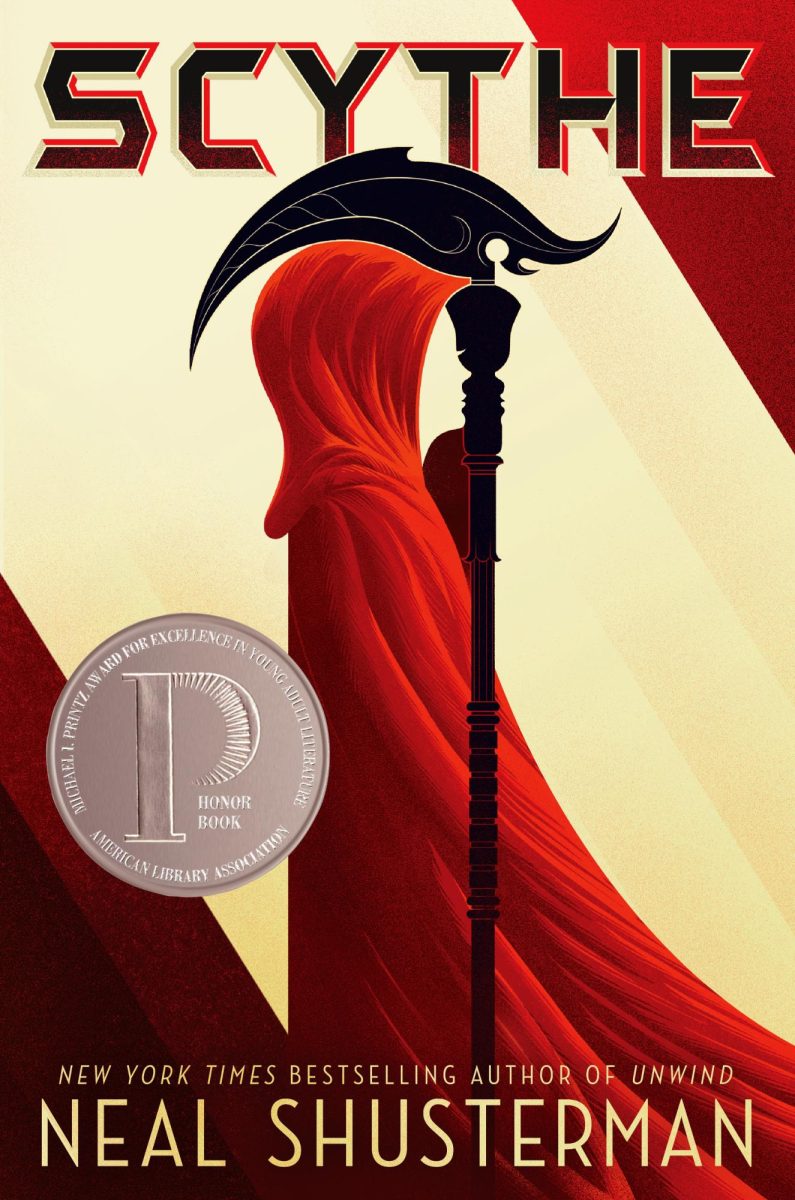
Within hours, social media platforms bloomed with jokes and memes comparing the thieves to characters from Leigh Bardugo’s Six of Crows, according to The Knight Crier. Instead of mourning for the theft of history or at least condemning the thieves, people perceived it as fanfiction. Many treated the incident as not a crime but as a real-world debut of their favorite fictional heist crew. Online videos romanticized the precision of the operation, framing the robbers as charismatic characters rather than criminals who stole irreplaceable pieces of history.
Now, don’t get me wrong. I love book tropes bleeding into real life, I love Six of Crows, and I love when the ordinary feels cinematic. But there’s a difference between appreciating fiction and letting it distort our perception of reality. A heist is still a heist, no matter how neatly it fits the narrative.
This glamorization reveals an underlying desensitization that needs to be addressed. Instead of outrage, many responded with aesthetic admiration. Instead of concern over security failures, people reacted as though the Louvre had merely been a particularly thrilling episode of a TV show. When that becomes the cultural instinct, crimes like this risk becoming spectacles that we treat as exhibitions to enjoy rather than consequences we reckon with.
As the last perceived member of the heist has been arrested, the Louvre heist should have jolted us awake. Instead, it revealed just how easy it is for mesmerization to overshadow accountability, and how willing we are to let the narrative take over.
The aftermath of the Louvre robbery showcased how willing we were to ignore what’s real. When our first instinct is to aestheticize a crime, to perfectly fold it into the pages of fiction, we risk shifting our moral sense and conscience around entertainment value rather than ethics. If every headline becomes new lore, every criminal a new Wattpad character, and every crisis a new plot twist, we begin to lose our ability to respond with seriousness when seriousness is required.
Looking forward, the lesson the Louvre heist leaves us with is not about security protocols or museum vulnerabilities—although those are important, too. It’s about us. About a generation so immersed in fictional worlds that reality and about a generation too desperate to lounge in escapism.
The future demands more from us than that. It’s necessary to ground ourselves in the cultural maturity that allows one to enjoy stories without turning crimes into one. Sooner or later, the Louvre heist will fade from the headlines as well as our memories. However, the reaction it sparked, that collective dazed swoon at the loss of eight priceless pieces of French history, will not. And unless we choose to see the heist for what it is, our instinctive responses to events of that nature will forever stay the same.
As we move forward, we should strive to appreciate the beauty in storytelling without letting it dilute our grasp on reality. Otherwise, the next time something like the Louvre robbery happens, we may find ourselves applauding when we should be alarmed, dreaming when we should be awake. And that, more than anything stolen on October 19, is what we stand to lose.