









































































































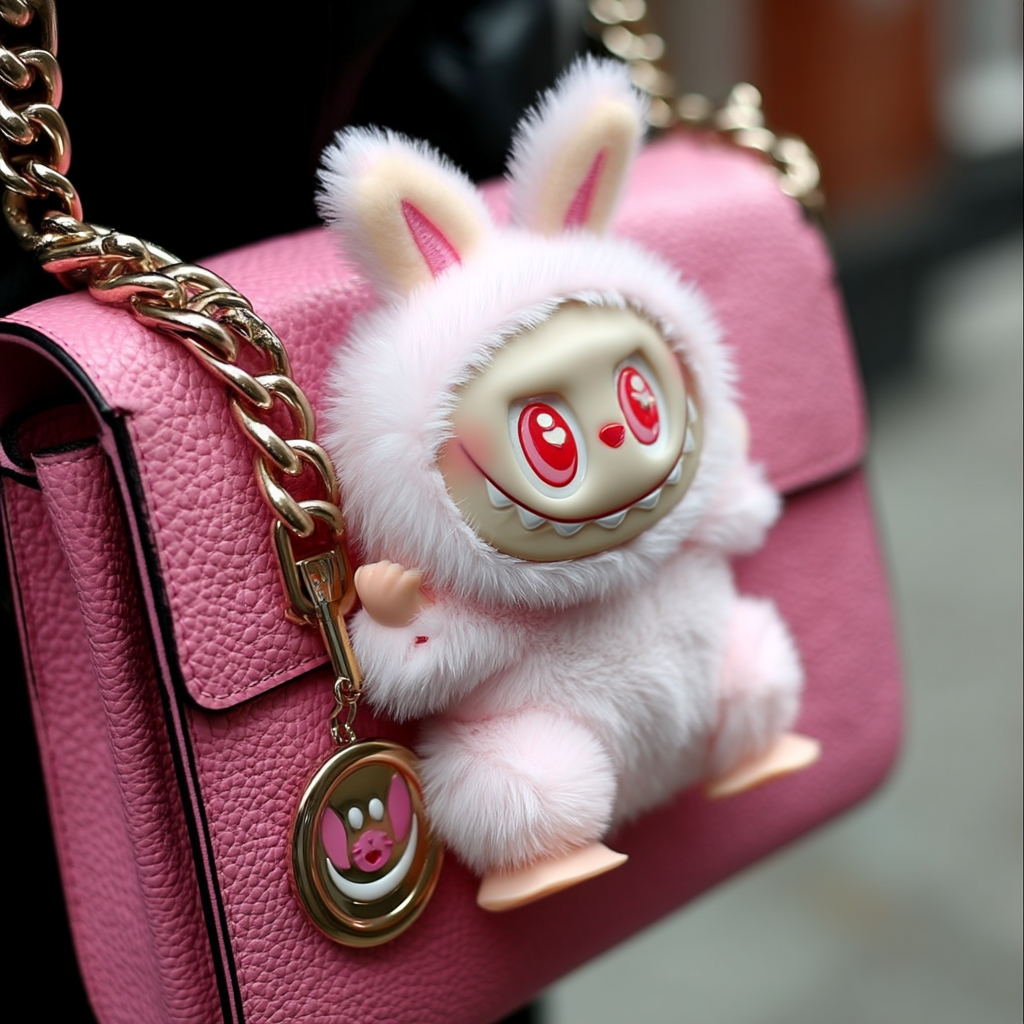
For nearly two years, Labubus were everywhere. The impish, wide-eyed character created by artist Kasing Lung in 2015 and brought to life by Pop Mart in 2019 had become one of the defining collectibles of the mid-2020s, riding a wave of virality, scarcity, and influencer amplification that pushed them from niche art toys to global “it” accessories.
Labubus appeared dangled from $10,000 Birkin bags, stacked inside TikTok unboxing videos, and resold for thousands of dollars. In 2024, Pop Mart’s revenue nearly doubled to $1.81 billion, with Labubus alone accounting for 22% of the company’s earnings, according to The Commons. By early 2025, Labubus were so culturally dominant that videos under the hashtag had generated more than 1.4 million TikToks.
By late 2025, however, the frenzy that once defined the toy craze showed clear signs of cooling. According to CNBC, some secret blind-box editions that once resold for over 2,000% above retail began plummeting as scalpers scrambled to sell off inventory. Prices on top variants fell by over 50%, and some of the most enthusiastic resellers were panicking—not because demand disappeared entirely, but because Pop Mart dramatically increased supply.
This September, Pop Mart confirmed to CNBC that it had ramped up production to 30 million plush toys per month, roughly ten times its output the previous year. The company said the steep drop in resale prices was intentional, arguing that speculation-driven buying was unsustainable. “Our products are made for people who really connect with the art and joy they bring—and we love seeing that passion. Making this art accessible is key for us,” Pop Mart said. “If purchases are solely for ‘making a profit,’ this model will eventually crash.”
At the same time, mainstream retailers were beginning to show signs of slowing sell-through. Walmart, which once teamed with StockX to meet overwhelming demand, now had leftover Labubu stock from recent restocks, with prices dipping to around $39, according to Forbes. Target still had Pop Mart’s Once Piece collaboration in stock; Amazon listed Labubus for as little as $20 during Prime Day. The global media company also described how the resale market, once the epicenter of the frenzy, had also reflected the downturn: while rare editions used to fetch over $10,000 on eBay, Labubus nowadays don’t even cross the $2,000 mark, and none of the top 60 highest-priced listings had drawn a bid.
Scarcity—once the engine of Labubu mania—was fading. Even the chaos the dolls once inspired was dwindling. Earlier in the year, CNN reported that fights had broken out in UK stores due to the shortage of Labubus. But with rising supply and falling resale margins, customers are no longer lining up overnight or traveling across continents for a chance to get one.
The cultural momentum is also shifting. As Collectible Dry noted in its trend analysis, Labubus surged in part because of their TikTok-ready mystery-box format. But the publication found that by the end of July 2025—only weeks after the hashtag peaked—usage of #Labubus had already begun to drop. The toy’s ubiquity, once its greatest asset, was becoming a liability. After months of seeing Labubus everywhere, from couture runways to celebrity handbags, interest seemed to hit brand fatigue.
The Commons offered another explanation: the “lipstick effect,” in which consumers facing economic strain indulge in affordable luxuries like small toys. The outlet noted that Labubu’s appeal—like Smiskis, Sonny Angels, or Beanie Babies before them—was partly driven by their status as mini luxuries, a way to buy into a trend without committing to major spending. However, as the broader cost-of-living crisis deepened, some buyers began scrutinizing their purchases more critically. When Pop Mart ramped up production and the sense of exclusivity collapsed, the psychological thrill weakened.
For now, Labubu’s story appears to be one of extreme ascent and inevitable normalization. In its decade of existence, Labubu has accomplished much. From an obscure picture book character to a global cult project, and now to a fading collectible, Labubu has traced the full arc of modern virality. Accelerated by TikTok, inflated by scarcity, and then leveled by oversupply and consumer fatigue, Labubu’s story has almost gone full-circle. For a figure built on whimsy and surprise, Labubu’s trajectory mirrors the unpredictable world that embraced it. If the past two years have proved anything, it’s that cultural icons can vanish as quickly as they appear—but in that brief glow, they leave behind a snapshot of the moment that made them magical.