




































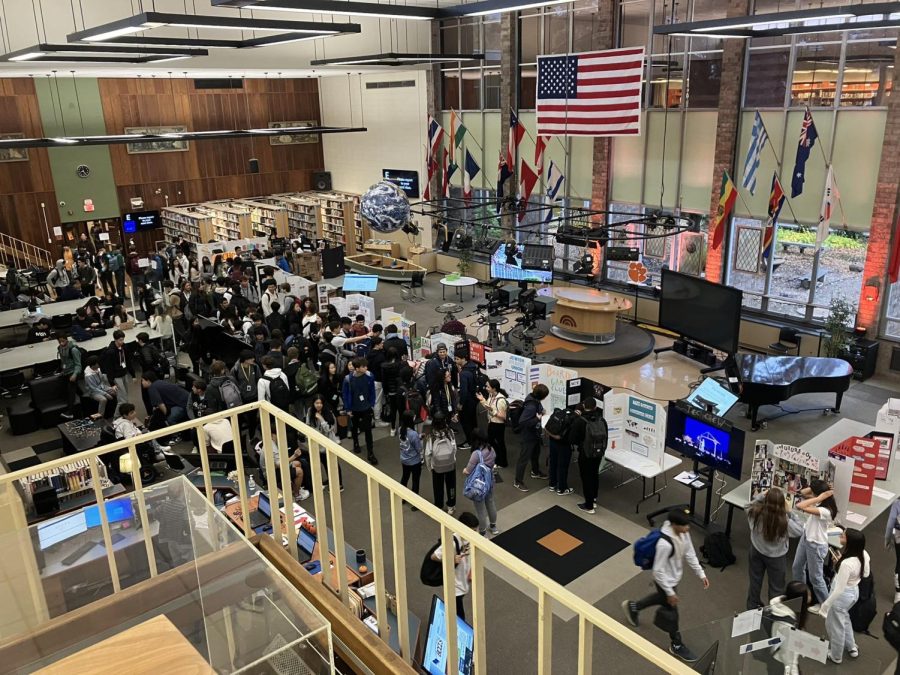































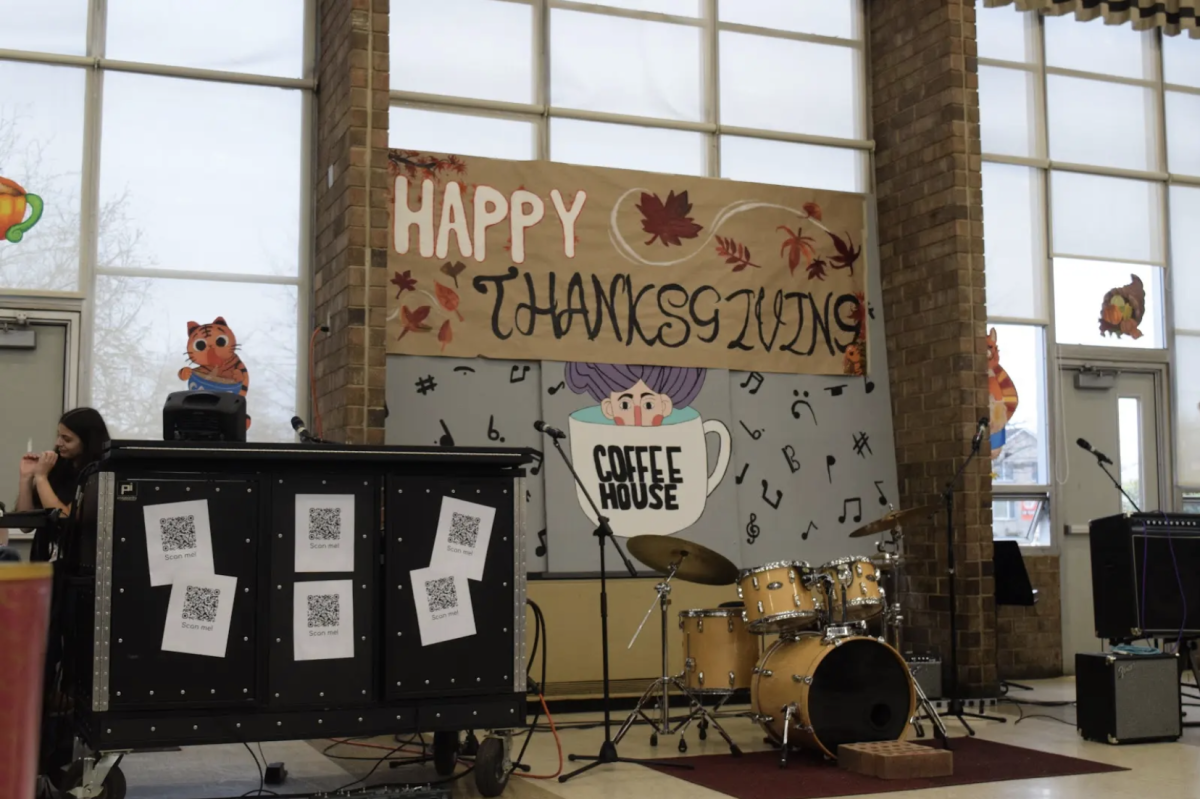
On an unassuming November morning, when the scent of hot chocolate begins to edge out the eau de industrial-strength disinfectant, and the radiators wake to wheeze out their halfhearted idea of warmth, a ripple of excitement stirs—rare for this hour, and therefore, instantaneously suspicious. Chairs scrape, bagels steam, a lone guitar string pings its dissent, and suddenly the room, which has presided over countless PB&Js and overdue assignments, seems to clear its throat. This was Coffee House in its chrysalis phase: the cafeteria, still wearing its weekday shoes, nevertheless stepping gingerly toward the threshold of its own potential.
By late autumn, that annual no-man’s-land when pumpkin-flavored everything begins to look over its shoulder in fear of encroaching peppermint tyranny, Thanksgiving looms with its promise of hours surrendered to luxurious, sofa-bound doomscrolling and the perennial diplomacy of cranberry sauce. And with it comes a subtler kind of anticipation, one that slips into the building, enfolding the halls in a gentle hum.
It starts as a faint buzz: a half-caught remark near the lockers or a curiously knowing, faintly conspiratorial smile exchanged between friends. Soon, the speculation gathers momentum, developing the quiet conviction of a theory everyone believes they devised independently. And what, precisely, are we expecting? An improbably rich alto from the reserved kid in geometry, perhaps? A jazz riff bold enough to startle even the most unflappable guidance counselor?
But despite the air of enchantment, the cafeteria does not, regrettably, reinvent itself on a passing fancy. Coffee House may seem to materialize as if guided by a discreet trail of pixie dust, but its creation is decidedly more Earth-bound. Romi Lipzin (’26), student body president and one of the event’s chief ringmasters, explained that the job entailed the holy trinity of student-event logistics: “[choosing] a theme, [sending] out a form for people to sign up to perform, and [encouraging] students to participate,” along with the more nuts-and-bolts tasks like “[asking] the art club to make decorations, [creating] a schedule so that each period got a variety of genres … and [decorating] the cafeteria on the day of.” One could imagine several spreadsheets, possibly color-coded, possibly sent at unkind hours.

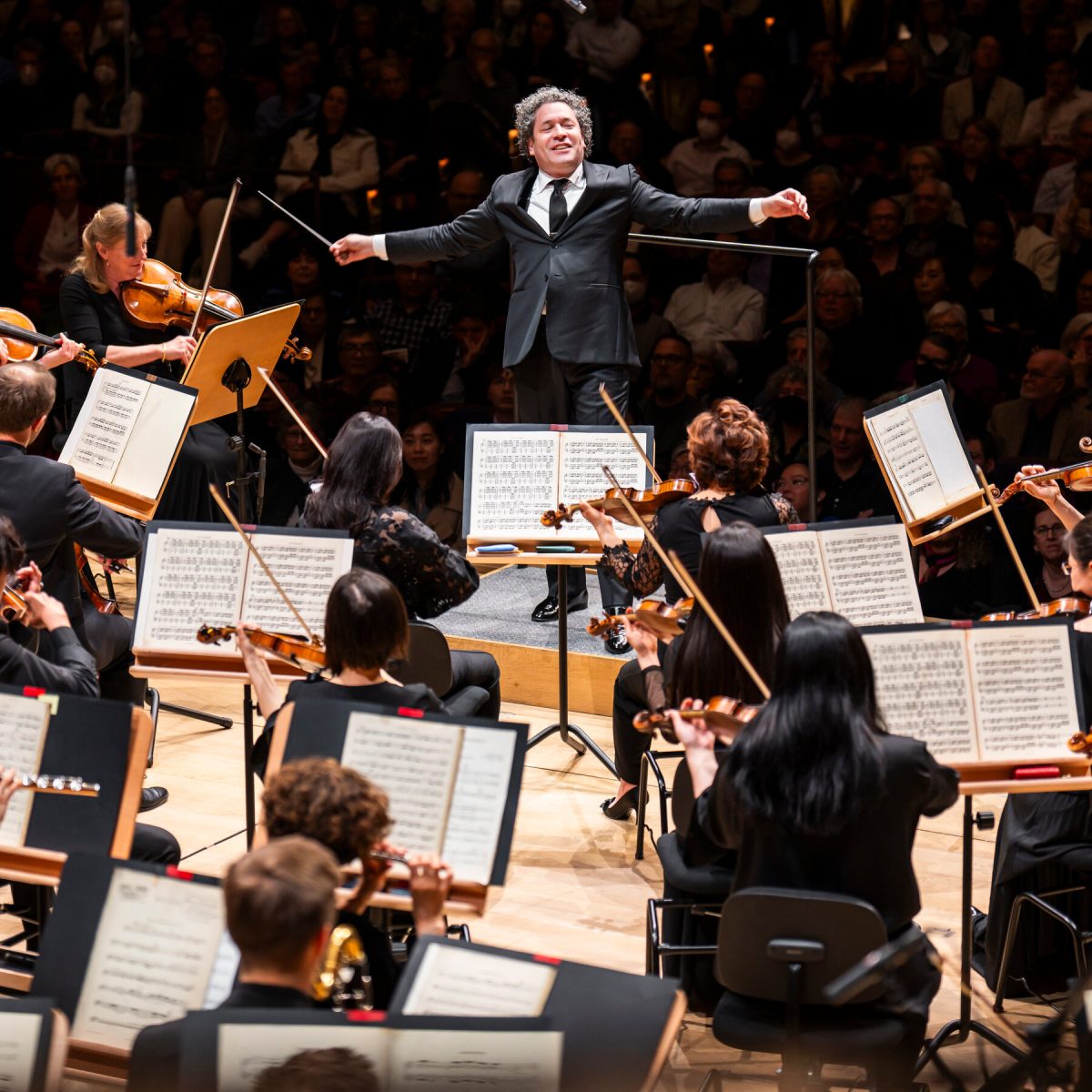
Once submissions rolled in—solos, duets, bands, dances, and numbers that seemed to belong to their own esoteric taxonomic branch—the challenge became aesthetic sequencing, arranging performances in an order that felt cohesive without ever becoming predictable. Acts were placed with deliberate care so that, as Board of Education Representative Joanna Cheng (’27) put it, “each performance [was] different from the previous performance so that students can get to see a bunch of different genres and styles.”
But beyond Google Forms and draped tinsel, Coffee House endures because it cultivates a kind of creative commons, a space where students willingly gamble on vulnerability, exchange half-developed ideas, and applaud one another’s strengths with easy kindness. And that spirit, notably, isn’t confined to the performers alone.
As Cheng explained, Coffee House “promotes student creativity and self-expression in numerous ways,” drawing into its orbit not only the musicians and dancers, but the constellation of school organizations that prop them up. “This interconnectivity,” she added, “really unites the school for the common goal to entertain and be entertained.”
Much of the event’s alchemy, in fact, is brewed well before the first chord rings out. Its subtle orchestration unfolds almost imperceptibly, taking root in the nooks and crannies of the school not typically associated with theatrics. The art club, for instance, through taping, draping, and the occasional sprinkle of glitter, mercifully disguises the cafeteria’s utilitarian bones, granting it a fleeting career as a cozy cabaret. And along the fringes, the photography club drifts with monastic attentiveness, attuned to the small, telling gestures—a tentative inhalation before a first note, the premature swell of applause—that most simply overlook. Their work becomes the archive of the metamorphosis itself, evidence that, for a few improbable hours, the cafeteria took on an unexpected luminosity and a personality far more contemplative than the lunchroom we know.
This joint creativity set the perfect stage for one of the day’s most delightfully ridiculous moments: the student government’s satirical karaoke ballad. Under Lipzin’s direction, the group launched into a spirited rendition of ABBA’s “Dancing Queen,” swaying and laughing as they shared the microphone. Eventually, council members abandoned the stage entirely, slyly coercing the audience to join in, until the room erupted into a ragtag chorus of joyful, slightly off-key voices that were remarkably chaotic and somehow, against all odds, entirely united.
Reflecting on the spectacle, Lipzin acknowledged the particular thrill of shepherding an event that thrives on both absurdity and encouragement. Organizing Coffee House, she explained, meant creating an environment where “students [could] share their talents and uplift one another,” a responsibility she described as equally rewarding and relentless. She added, with a mischievous grin, that she “especially loved singing karaoke and spreading some Thanksgiving cheer.”

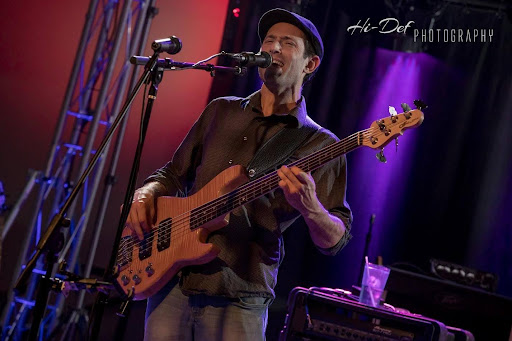
If the student government brought the laughs, the performers brought the heart. Emma Chai (’28), beatboxer for Tenafly High School’s a cappella group Treble Threat, described the scene as “a truly different experience—the entire atmosphere sets a warm scene that belongs in the movies.” For Chai, beatboxing is a chance to reveal a role usually tucked behind melodies. “It’s really cool to show others my role in our group,” she explained. “It helps to spread the influence of our performing arts program to a wider audience.”
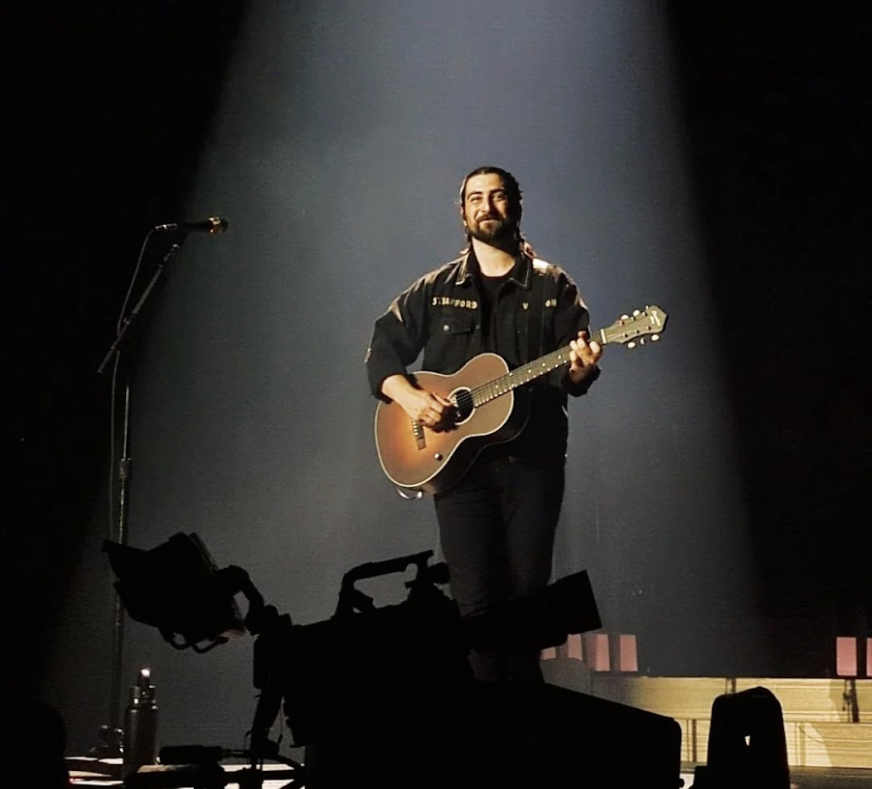
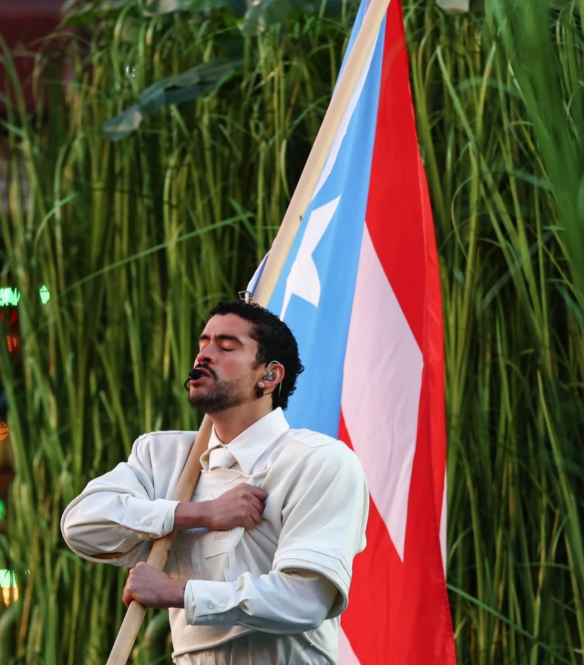
Singer and dancer Natsuki Mori (’27) approached Coffee House as both playground and proving ground. That morning, she moved fluidly between acts, leading her band through “Everybody Talks” and performing a duet of “Stick Season,” but it was her dance group’s interpretation of JENNIE’s “Like JENNIE” that vividly transformed the space. The sharp, electric movements commanded attention, and soon the audience was swept along with every jump and spin until the room vibrated with collective energy. “I felt connected to the audience when I saw them matching my energy,” Mori said. “It felt like we were all sharing the same moment, and when they applauded at the end, I felt so accomplished and genuinely happy.”

As the final act faded and the last note lingered in the air, the cafeteria slowly returned to its ordinary rhythm. Chairs scraped, footsteps echoed, and the faint smell of warm bagels lingered, but so did the awareness that for a few magical hours, the space had been something more.
And perhaps the most fitting proof is within reach: I’m now tapping away at a keyboard for The Echo, translating those fleeting moments into words. In doing so, Coffee House extends itself once more, into the very act of storytelling, encouraging yet another form of expression in the school it has quietly transformed.