

















































































































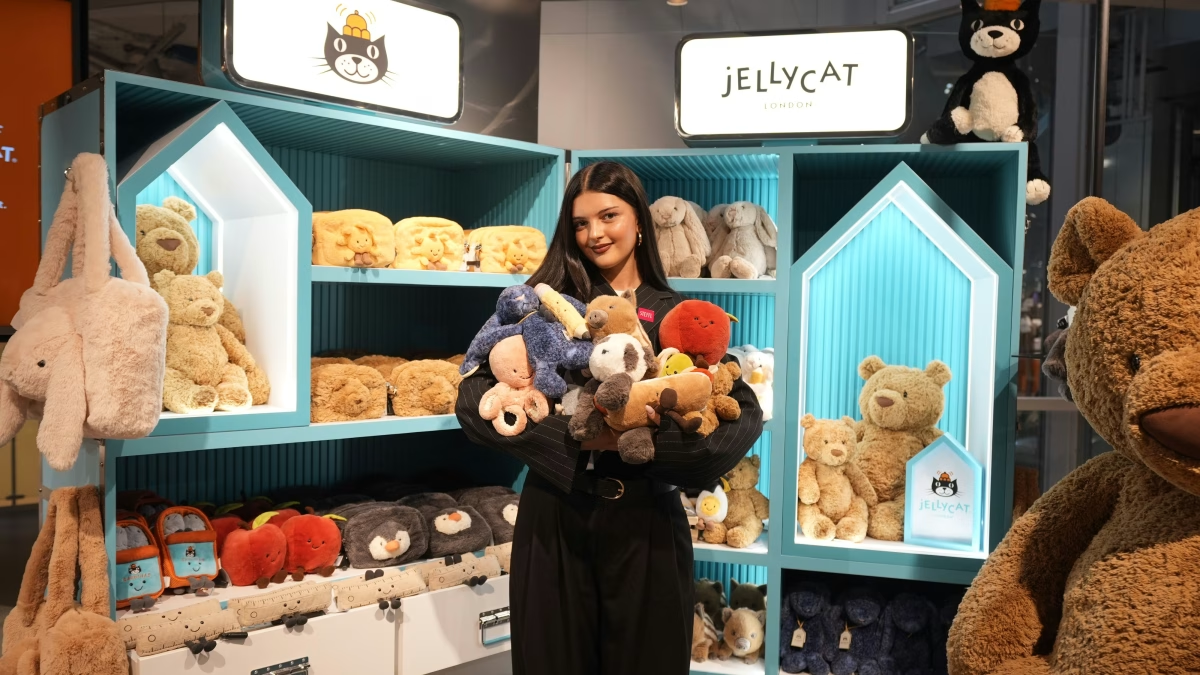
Some trends spread slowly and quietly, but the Jellycat craze exploded with a force nobody expected. These comforting toys, once just a stuffed animal in a store, have become a factor of chaos. As TikTok boosted its popularity, sales rose. Stores started selling out immediately, prices skyrocketed, resellers became a sign of suspicion, and overconsumption became just a regular number of items, all because of one thing: a stuffed face.
But with this hype comes a side that is hard to ignore. While jellycats may be adorable, the environment around them is completely the opposite. This raises questions from all buyers, the main one being: Is the cuteness worth the chaos it creates?
According to Reader’s Digest, Jellycats are super-soft and joyfully designed stuffed animals. Each toy is ethically made with high-quality materials, ensuring responsible sourcing, and sustainability. While the brand has been around for 25 years, its popularity on TikTok and Instagram has only now led to an increase in sales. Fans of all ages are proudly displaying their collections, sharing unboxing videos, and hunting for exclusive items. After all, in a world that can feel hectic, a little joy from a soft, cuddly companion is especially appealing.
But behind the soft texture and pastel colors, the Jellycat world has been filled with chaos. As popularity and new designs increased, the prices did too, making it hard for kids and adults to purchase even one. There is also an issue of overconsumption. Overconsumption isn’t new; it’s been around for decades, but the obsession with collecting Jellycats has encouraged people to buy far more than they need. Social media is fully to blame, pushing people to constantly buy more to match trends and unbox new toys every day like the many influencers they see online. The “Jellycat wall,” a trend which encourages people to buy fifty to one hundred Jellycats simply just to fill a wall with collectibles, is a prime example of this.
The biggest issue behind the Jellycat craze is the reseller market. As these plushies grow more popular, resellers have begun to buy them in bulk the moment they release, causing instant sell outs and displeased buyers. Prices on resold items get tripled, rising to unreasonable amounts and causing people to buy these overpriced products just for the ability not to feel left out. The cycle keeps repeating itself, turning a harmless brand into a competitive system where profits often outweigh genuine excitement.
While Jellycats are adorable and comforting, they should be bought in moderation. People should not be buying fifty jellycats only for collection and never actually interacting or using them. No plushie is worth the overconsumption and stress of pricing and reselling. In other words, while people enjoy a smiling avocado or bunny, Jellycats shouldn’t be bought just to show off or unbox. Owning one or two can provide a conditioning caption to rely on during tough days.
In my opinion, Jellycats will never stop being popular, but the way people act toward them needs to change. The plushies aren’t the problem, the people are. A plushie shouldn’t be causing conflict, no matter how cute or popular it is.