





















































































































































The flow of money into the investment of gold is an event of interest for the business world, in part due to its immense rise and the possibility of a future crash in value. The rise of gold value has started since 2024 and has especially increased this year.
As stated by the BIS, the Bank for International Settlements, in The Financial Times, retail investors are increasing the valuation of gold within the stock market up to 60 percent. The BIS warns that these trends are similar to other asset price bubbles, where hype and investor enthusiasm boosts a stock which could eventually lead to the stock plummeting.
Gold value has skyrocketed this year, which is its highest rise since 1979. However, “following its explosive phase, a bubble typically bursts with a sharp and swift correction,” according to The Financial Times. The site also stated that in comparison, US stocks influenced by their own AI boom have increased 17 percent for the S&P 500 (the top 500 major stocks within the US), and Nasdaq (a tech-oriented group of stocks) has increased 22 percent this year.
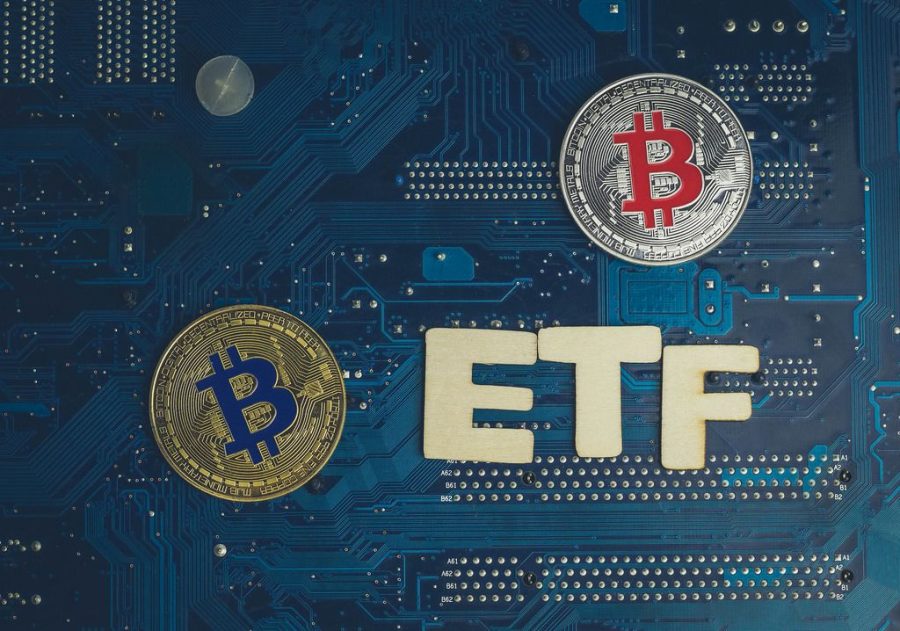
Inflows of money into gold ETFs from both retail investors and institutional investors have reached a record high, according to the World Gold Council. ETFs invest money into the price of gold, rather than actually investing into it by buying physical gold. This maximizes returns and minimizes the effects of volatility in the markets.
What is mildly surprising is that both gold valuation and the stock market are increasing simultaneously. Usually, gold is regarded as a “safe haven” to invest in since it’s considered a store of value. Because of this, when the economy starts to decline, gold prices generally increase. However, based on the stock market, both gold and US stocks are simultaneously on the rise … and significantly.
Retail investors, the regular everyday people, are the ones driving the prices up. On the other hand, institutional investors, or the professional influential organizations in the money world, are “keeping their gold exposure flat” as stated in the The Financial Times.
The site noted that prices for gold have reached $4,381 per troy ounce in October. However, this fluctuation isn’t entirely unprecedented. The gold market has had previous “boom-and-bust” cycles. For example, the site also stated that prices jumped up during the Iran oil crisis in the 1980s, and in 2008, the prices also hit a peak of $1,830 per troy ounce before falling 30 percent in the following 2 years.
There are many speculations as to why gold value is increasing. As mentioned before, people generally start to invest in gold during times of crisis because the value of gold is a safer option than the market. With the many recent events like the US government shutdown, the possibility of an AI-stock crash, and war in the Middle East, gold prices have surged. Additionally, central banks are starting to increase their physical gold holdings to almost 161% since 2006, according to The Week.
The BIS states in the The Financial Times that the rising valuation of both the gold and stock market could “threaten market stability down the road” because of their “herd-like behavior.” Gold’s appeal is rising, based partially on the mindset of people wanting to be a part of the gold fanatic investing spree. However, once investors become disenchanted by the prospect of investing in gold, a product whose value is determined only by how highly society views it, the value of those gold stocks have the potential to plummet.