










































































































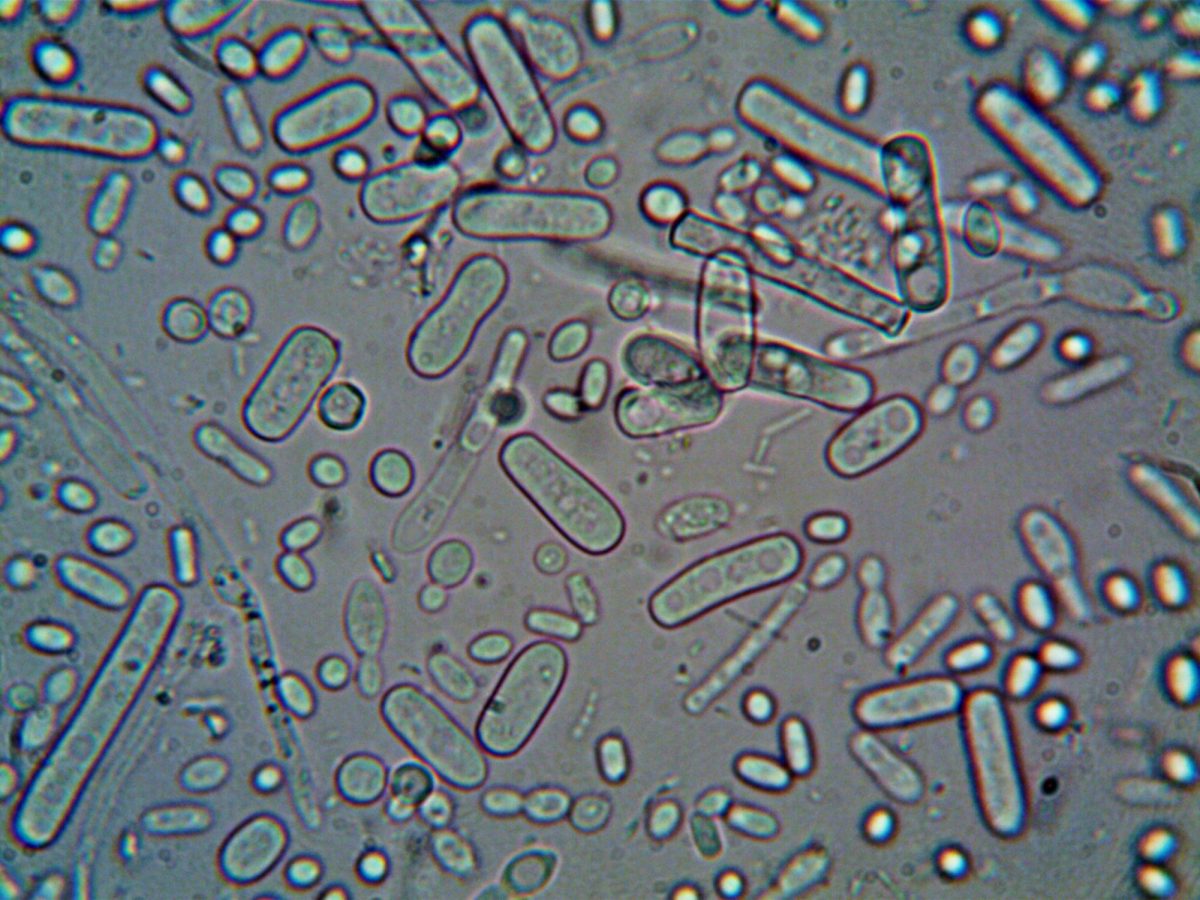
Recent discussions of the concept of mirror-life have forced scientists all over the world to confront the risks these life forms could pose. But, what exactly is mirror-life, and what makes it so dangerous?
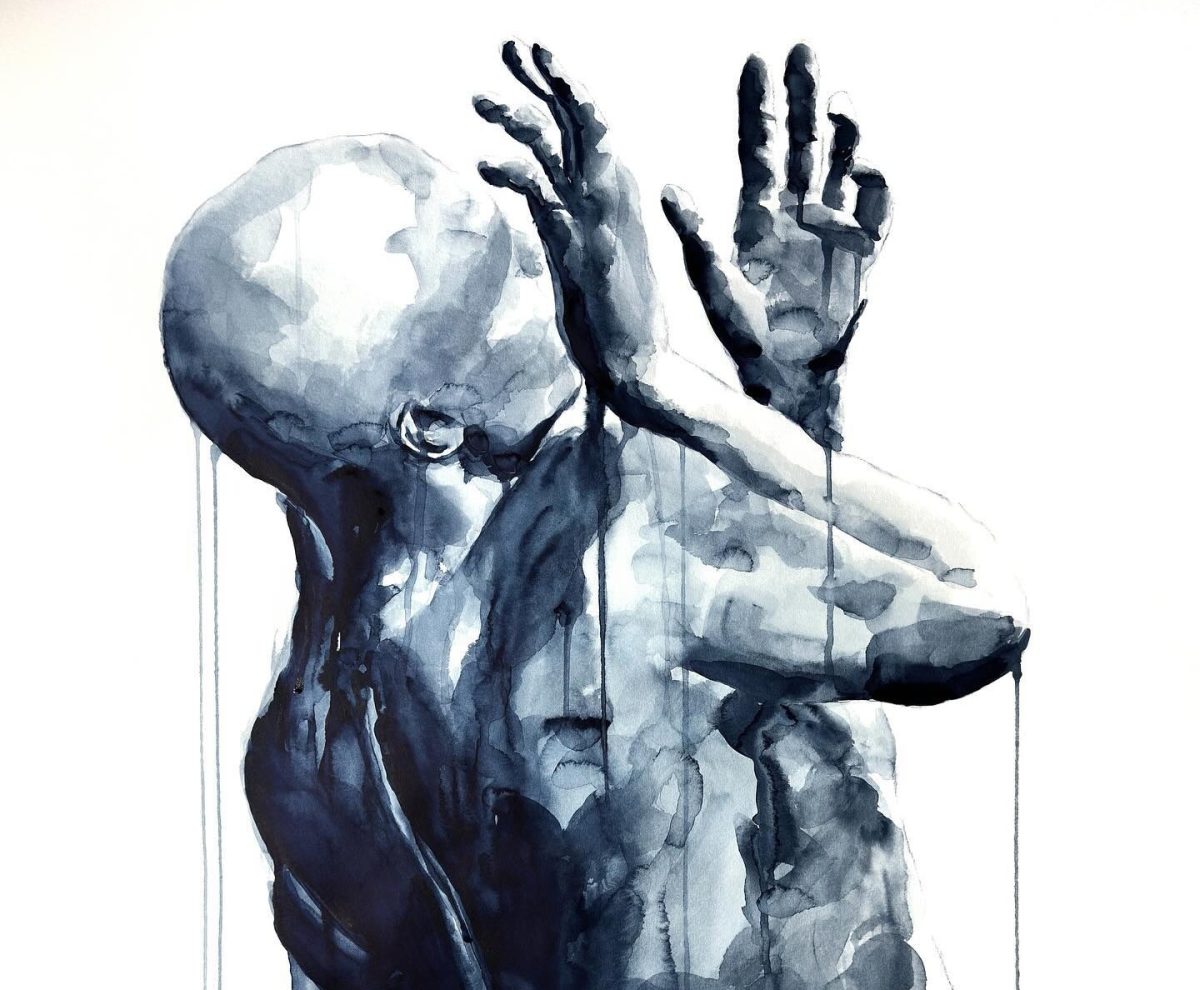
All molecules have certain properties to them that affect the way they are structured and function, as stated in an article by Carnegie Endowment. The mirrored versions of these molecules are nonsuperimposable, meaning they are reflections of each other but cannot be positioned indistinguishable from one another. An example of nonsuperimposable objects would be right and left hands. Hands can look similar at most, but they cannot be aligned in a way that would make them identical.
Billions of years ago, when life was just beginning on Earth, the production of left-handed proteins was standardized. This led to all organisms evolving to continue the sole creation of left-handed proteins, according to the University of Utah. Mirror-life would be the product of the theoretical idea of synthesizing right-handed proteins in place of left-handed ones.
The mirrored versions of living organisms would be nonsuperimposable in the way they would interact with other molecules and the rest of the biosphere. This is a major factor considered when discussing the hypothetical application of mirror-life in the medical field. The University of Utah states that the main usage of mirror-life would be in mirror-image therapeutics. Digestive enzymes in a person’s body make it challenging to effectively treat chronic illnesses, as the enzymes will often break down left-handed therapeutics before they have any real effect. However, digestive enzymes fail to recognize mirrored, right-handed therapeutics, thus allowing them to last longer in a person’s body. Currently, the process of making mirror-image therapeutics is a slow and tedious task. Mirror-image bacteria could be used to synthesize right-handed therapeutics, which would make the process much more efficient and help with fighting chronic illnesses.
However, the odd interactions between left-handed and right-handed molecules are also the reason mirror-life could present itself as a danger to humanity. Data analysis from Science shows that harmful mirror-image bacteria could avoid detection from the immune system if they were to enter an organism. Additionally, they would likely remain hidden from any potential predators. These factors would lead to mirror-image organisms becoming invasive species and a possible unchecked spread of new infections.
A general consensus in the scientific community regarding mirror-life is that it is not an endeavor that should be pursued. “Leading scientists around the world, including in China, the United States, and Europe, now agree that mirror bacteria should not be created,” Carnegie Endowment states. This has been further reaffirmed by multiple conferences and analyses regarding mirror-life that seem to be working towards governance and safeguards to deter the potential threats of mirror-life.
It is clear that policies surrounding mirror-life should be implemented as soon as possible. Mirror-life does not pose a threat to us currently, and likely won’t for at least another ten years, but it is important to set boundaries now to cement the idea that this is a serious topic with many potential consequences. A future without regulations on mirror-life is a frightening prospect. As of now, the benefits of mirror-life do not outweigh the cons, and legislators around the world should make proper regulation a priority if they wish to avoid harming countless people around the world.