























































































































































On November 21, a Washington state resident died because of a new bird flu virus strain. It is the world’s first known death from the H5N5 subtype. According to the World Health Organization, the adult patient had known health problems and had been confirmed to be infected with the H5N5 strain on November 15.
This death follows a recent wave of reported avian flu outbreaks in the United States, mostly caused by the well-known H5N1 subtype. Since the start of 2024, mild human cases of the H5N1 virus have been reported among people who have been in contact with affected cows and poultry, according to the CDC. The reported human cases in the US were mostly associated with eye irritation or mild respiratory symptoms. This changed earlier this year when the first death in the US related to the H5N1 virus was reported in Louisiana. This case of the novel H5N5 avian flu virus constitutes the 71st human case of the H5 subtype reported since the beginning of 2024, the WHO reported.
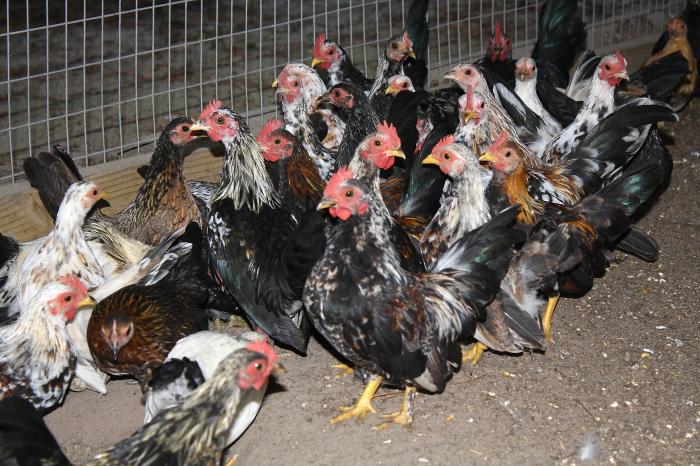
Although the virus has been prevalent for decades, the emergence of the H5N5 subtype has been noticed only recently among the wildlife in North America. Humans infected with either subtype are relatively uncommon, since the diseases are mostly confined to the wild bird population, domestic poultry, and, recently, dairy cows. According to CBS News, the Washington resident had kept a backyard flock, with some having recently come into contact with the wild species, most likely passing the infection along.
After the confirmation of the virus, health officials began surveillance of human and animal populations at the state and federal levels. According to local authorities, the patient had resided in Grays Harbor County; this area had seen strange instances of death among the local wildlife this season. There had been no contact with commercial poultry for this specific patient, according to KOMO News. Outbreaks of general transmission have also been seen elsewhere; in early December, 70 vultures were found dead due to bird flu at an Ohio school campus, according to People Magazine.
The WHO has advised people who keep backyard birds to avoid contact with wild birds, wear protective gear, and avoid contact with sick or dead birds. The occupational risk remains the leading factor for infections, although the risk to the wider community remains low, the CDC reports.
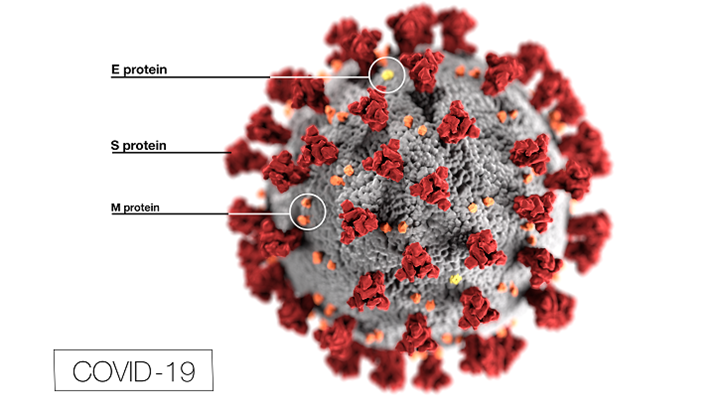
The occurrence of H5N5 has triggered a new wave of concern regarding greater “One Health” coordination, which is a method involving monitoring human, animal, and environmental populations. Public health experts have repeatedly pointed to the early months of the COVID-19 pandemic, when delayed detection and fragmented data sharing allowed a novel virus to spread globally before its risks were fully understood. In contrast, officials said the response to the Washington case reflected a more cautious posture, shaped by hard lessons learned during COVID-19, including the importance of rapid surveillance, transparent reporting, and early containment, according to the WHO.
Scientists were keen to point out that while this death attributed to H5N5 does not indicate an approaching period when this virus could transmit among humans, it nonetheless shows just how unpredictable these spillover cases could be when it comes to spreading through nature’s populations, including wild game and human populations. Tracking dairy cow populations and migratory bird routes is now essential, especially since new host infections attributed to avian flu are still on the increase, according to the CDC.
Going forward, officials said that it remains to be seen if these systems, developed or improved because of COVID-19, have been quick enough to deal with rare, high-impact events in order to prepare and respond to future pandemics. Faster genomic sequencing, better agency coordination, and clearer communication are now essential in this effort.
This hope is for this case to be an isolated incident and not the beginning of a trend. Perhaps the lessons from the COVID-19 pandemic can be taken to ensure a future novel virus does not spread the same way. Through increased surveillance and preparedness for the future, the goal now is to be a step ahead of these diseases rather than to react to them.