
























































Scrolling through my phone, Stranger Things interviews reach me the way most celebrities do as brief flashes, not full conversations; more thumbnail than truth. A clip of Millie Bobby Brown surfaces in my feed, where the host asks what it was like to grow up on screen. She answers, but I have already heard the same PR-trained answer in another interview, framed in the same polished language about gratitude and being real. These fragments follow celebrities from show to show, trimmed to identical ten-second confessions, until interviews meant to reveal personality start feeling like carefully-staged press conferences.
Doomscrolling has become the front door to fame, and the interviews that leak onto our feeds are shaped for that doorway. We meet actors and singers through scripts written by another, stacked over jump cuts that decide which emotion should define those actors and singers. The audience is invisible, merely reduced to likes and reposts, yet those numbers steer the answers toward the safest possible version of a story. Interviews were originally designed to discover an artist’s voice, but clip culture assumes the voice in advance and trains the celebrity to match it.
The trained press turns every celebrity into a recurring extra in the same endless film, and the interviews woven into The Kardashians are the clearest example. Those sit-down moments are meant to pause the chaos and explain what we just watched, yet they usually repeat the same safe language about family, growth, and learning from drama. After a few episodes, I can predict the confessional before Khloé or Kendall starts speaking. The interviews, once again, feel like captions for a story the producers have already decided how to frame.
Even fans who follow the show closely notice the stiffness. It is clear that Kendall will describe conflict as necessary, Kim will call a meltdown a lesson, and the host of the series never pushes past that surface. The show interviews are supposed to reveal the off-camera self, but they sound more like brand statements rather than thoughts.
“They’re too self-aware of their success” said TikTok user, @psychadvice, according to Screen Rant. “Everyone has too much to lose. It’s so curated, but it’s trying to be drama.”
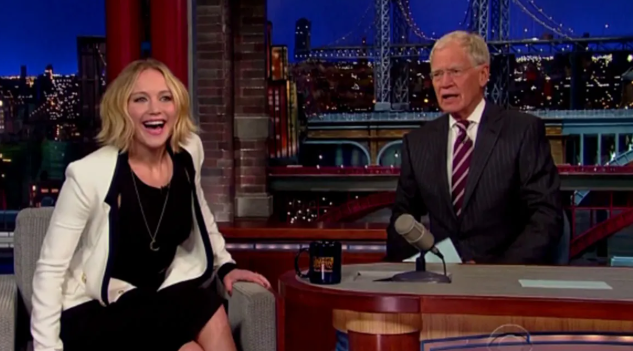
Not every interview fades into that category, though. When Jennifer Lawrence interviews and award speeches slide onto my feed, they often feel unscripted in a way that survives even the shortest clips. Whether she is laughing with Jennifer-level volume, teasing hosts, or turning a stiff award speech into a small comedy set, her authenticity is a real part of why she remains so widely recognized. The humour feels unscheduled, able to breathe even inside the predictive questions about success and gratitude. That spontaneity is only a fraction of the reason she is so known, yet it shows that warmth can survive the edit and make the audience remember a real feeling instead of a rehearsed sentence.
Interviews should give us a reason to pause, not just another video to swipe past. Right now most of them feel sealed behind the same PR polish, and the exception proves the rule. Viewers would rather authentic voices, rather a tone that makes us laugh or think without sounding coached. If the next generation of celebrity media wants our attention, it has to trust that we would rather authentic than perfect.