







































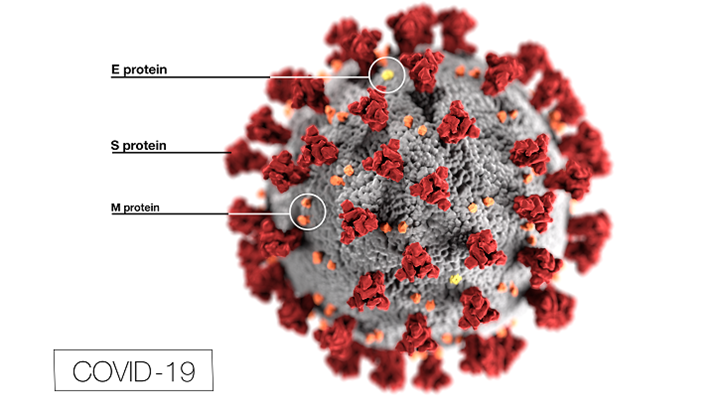










































































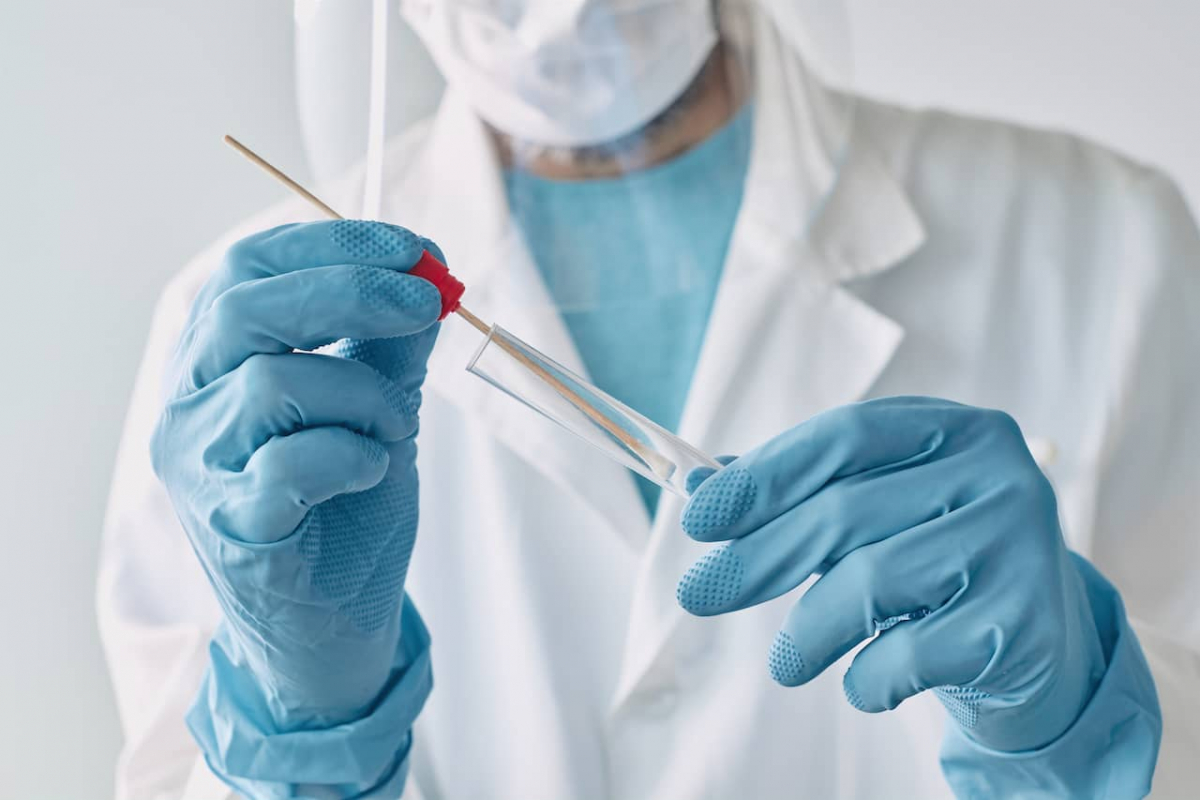
Going back to the dreadful COVID-19 days, one test seemed to control everything: the PCR test. Before travelling, during quarantine, or even as part of our daily routines, this small nasal swab held the power to decide where we could go or who we could see. But how could such a tiny tool tell us whether a virus was inside our bodies?
PCR stands for Polymerase Chain Reaction and is far more than just a COVID test. It is one of the most important innovations in modern biology that has permanently changed how scientists study DNA. This invention “divided biology into the two epochs of before PCR and after PCR,” according to The New York Times.
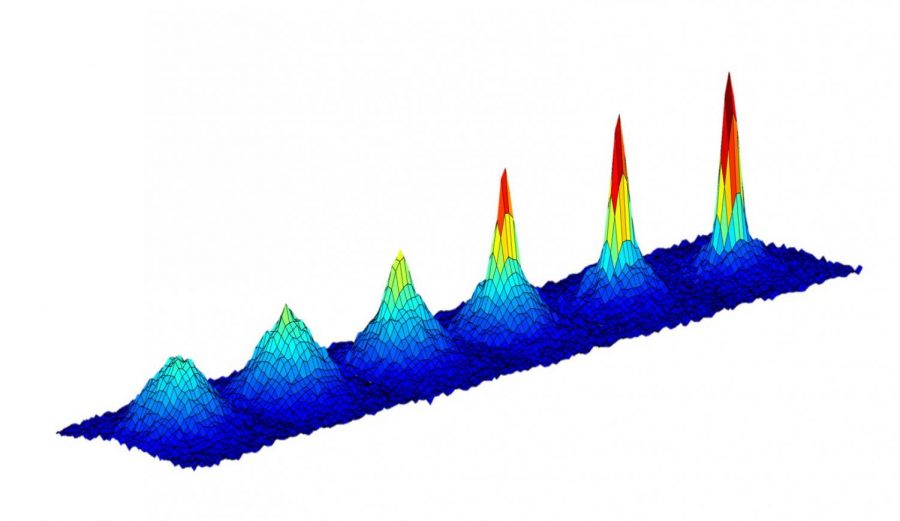
The National Human Genome Research Institute describes PCR as “molecular photocopying.” More specifically, PCR makes exponentially growing copies of DNA: 1 becomes 2, 2 becomes 4, then 8, 16 and so on. The “photocopied” DNAs can be used in numerous fields of science. PCR is used in scientific research so that researchers can enable DNA cloning and genome sequencing. In forensics, DNA from a crime scene can be matched to a suspect’s DNA. In medicine, PCR is used to detect viruses and bacteria, including the bacteria and viruses that cause COVID-19.
Before PCR begins, a sample containing the DNA or RNA to be copied is collected. This sample acts as the starting material for the reaction, providing the original genetic sequence that PCR will replicate multiple of times.
According to the National Institutes of Health, one cycle of PCR typically consists of three steps, all controlled by changes in temperature. In the first step, called denaturation, the sample is heated to 95 °C (203 °F), causing the double-stranded DNA to dissolve into two single-stranded DNAs. In the second step, annealing, the temperature is lowered to 55–72 °C (131–161.6 °F). In this step, small pieces of DNA called primers are mixed with the sample, and they stick to single-stranded DNA. Primers serve as “bookmarks” to indicate the starting points of “photocopying.” In the last step, known as extension, the other sides of the single-stranded DNAs are completed by a DNA polymerase, resulting in two double-stranded DNAs. When this cycle is repeated, the amount of DNA doubles each time. After about 20 cycles, roughly one million copies of DNA can be produced.
In COVID-19 PCR tests, the nasal swab collects viral genetic material from inside the nose, which are then amplified through the same PCR process in a lab until even tiny amounts of the virus become detectable.
The key breakthrough that made PCR possible was the use of a very special DNA polymerase in the extension step, which survives the high temperature in the denaturation step when the cycles are repeated. Because of this nature, such a polymerase is called a heat-stable DNA polymerase. Most polymerases used before PCR could not survive very high temperatures. Therefore, scientists had to add polymerase in the extension step every cycle, which makes amplifying DNA very slow and inefficient. In PCR, however, heat-stable polymerase remains active throughout the process, allowing the cycles to repeat automatically and efficiently.
The PCR technology was invented in 1983 by Kary Mullis while he was working at the biotechnology company Cetus Corporation, according to C&EN Global Enterprise. Mullis was later jointly awarded the Nobel Prize in Chemistry in 1993 for this work. Although Mullis’s invention was indisputably original and creative, it did not come out of thin air. Like many other scientific discoveries, PCR was built on the accumulation of previous discoveries, which is the heat-stable DNA polymerase in the case of PCR. In the 1960s, scientists discovered bacteria living in the extremely hot waters of Yellowstone National Park’s Mushroom Spring, according to the National Park Service. Later research found that these bacteria contained a heat-stable DNA polymerase.
At the time, these scientists could not have known that this seemingly unrelated discovery would become the foundation for a revolutionary technique like PCR. Today, PCR is used everywhere, from diagnosing infectious diseases and solving crimes to advancing genetics and medical research, showing how a single, seemingly small discovery can transform the world. The PCR test that once determined where we could travel or who we could see during the COVID-19 pandemic is a reminder that in science, even the smallest discoveries can lead to remarkable breakthroughs.