































































































































On Earth, we’re fleetingly attentive. Or, more accurately, we are given fleeting opportunities to be. Courtesy is not loud, nor is it grand. It does not announce itself like golden trumpets heralding victory or demand to be admired like marble statues frozen in starlight. It floats around the small decisions we make when no one is watching. In a world submerged in speed and exhaustion, this attentiveness feels endangered. We move quickly these days, as if slowing down or stopping to ask how someone’s day has been requires more time than we can afford.
In truth, courtesy was never meant to be ornamental. In the sixteenth century, Erasmus of Rotterdam wrote On Civility in Children to teach how one listens, speaks, and waits. Not because these actions were elegant, but because they acknowledged that to share a world means to have awareness of the bodies and souls moving through it alongside us. Civility, to him, was about recognizing that one’s actions ripple outward, like a pebble breaking the glassy surface of a pond.
And once dropped, those ripples cannot be undone.
Nowadays, we live among crowds, moving as if alone. Doors slam at doorbells. Curtains close at sunrise. Words arrive sharpened, poisoned, or not at all. Of course, no single moment feels significant enough to mourn, but together, they accumulate to reveal a world built on neglect. This neglect is illustrated in the modern day when silence simmers where relationships should have formed and when the casual betrayal of trust lands so carelessly. It’s not always cruelty that wounds us most, but carelessness.
It’s ridiculous how easily courtesy is treated as optional, to believe that politeness is irrelevant in times of stress. Courtesy is the bare minimum. It’s not a weakness, though it asks us to soften. It’s not inefficient, though it asks us to slow down. The world won’t fall apart just because we spare a few minutes of our lives giving up the last seat on the bus for the elderly or because we spare a few seconds to let someone enter a room before us. When patience thins and tempers shorten, courtesy prevents erosion by keeping the everyday from becoming hostile.
We are exhausted, yes, but we’re exhausted because we’ve somehow agreed to abandon the very thing that makes life tolerable. We are constantly surrounded by urgency—emotional, political, societal—and so we conserve what little attention we have left. We rush because standing still feels dangerous, abandoning courtesy on the way. We console ourselves by telling ourselves that we’ll return to it later, when things are calmer, when life allows it.
Life wouldn’t be worth staying in without these tiny, fleeting gestures of basic courtesy. We don’t live to survive. We live to stargaze, to notice the first dew dripping on a morning lawn, to watch a dove wave its wings mid-flight. We live to witness the ordinary unfolding: the neighbor’s tomato vines climbing the fence, the old gate swinging back and forth in the wind, the sunlight pooling on cracked pavement. We live to leave traces, soft and invisible, that others might follow.
On Earth, we pass through life in pages rather than chapters. We experience crossings of paths, doors held open just long enough, quick “hello”s that brighten up our day. We may not stay long, but how we move through those moments, how we shift the air around us, how we allow others to feel noticed—even if only for a breath—lingers longer than we expect.
History reminds us of this. Even in times of upheaval, people gifted small gestures. During the Black Death, townspeople risked their lives to leave food at doors for those in quarantine. In Victorian London, scholars like Erasmus’ followers continued to insist that civility mattered. Courtesy served as a form of survival because it implied that we are all passing through this world together, fleetingly and beautifully.
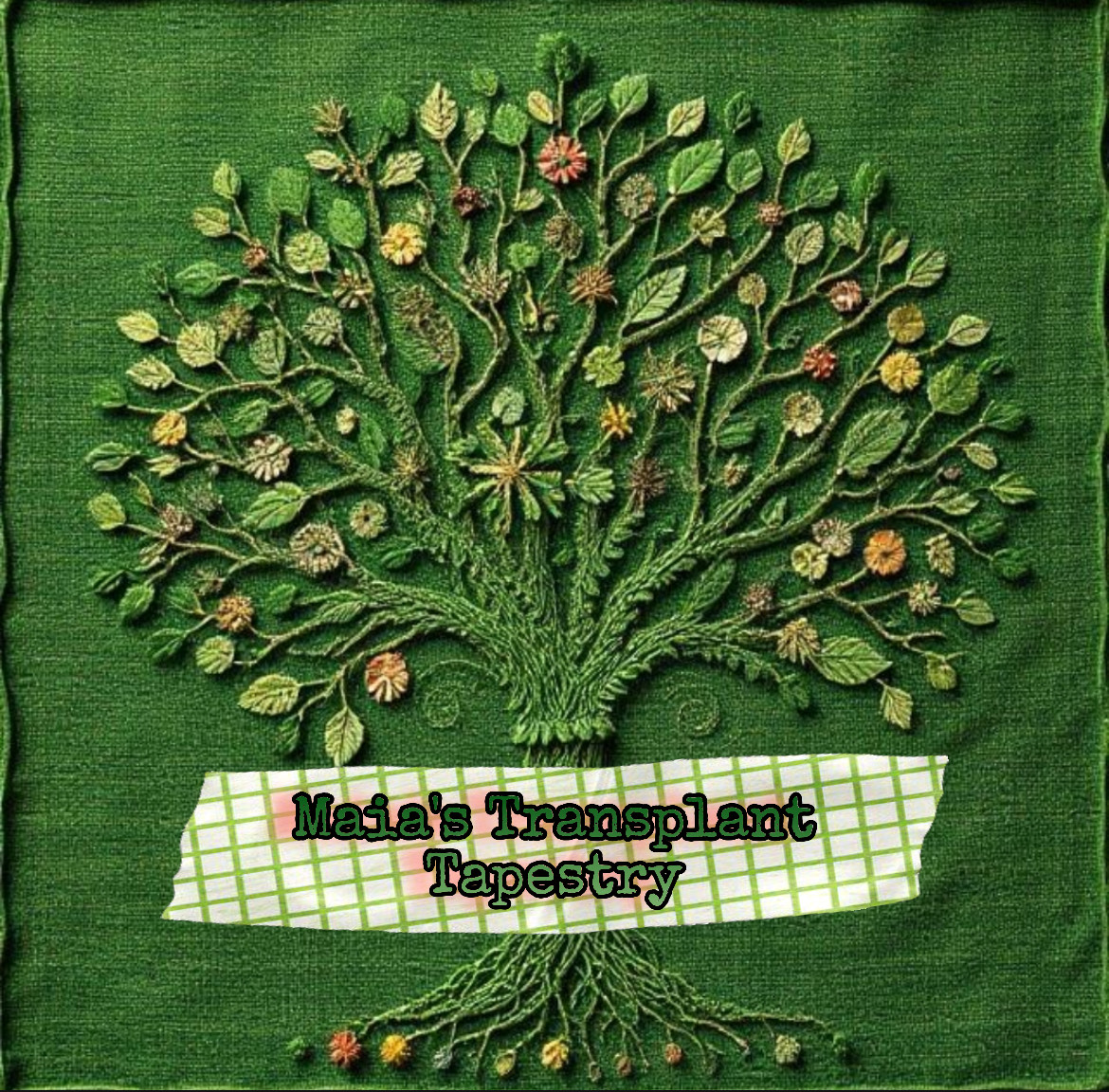
Last year, I encountered my favorite French phrase: tisser les liens. To weave relationships. Relationships between individuals are woven through strings, braided and knotted, no matter how transparent they may be.
Because sometimes, that’s all the grace we’re allowed to leave behind.