














































































































































On January 24, 2026, William H. Foege, a key public health leader who played an important role in the eradication of smallpox, passed away at the age of 89. The cause of his death was congestive heart failure, according to Dr. Mark Rosenberg, a friend and longtime colleague of Foege, as reported by The New York Times.
Foege was born on March 12, 1936 in Decorah, Iowa. His interest in science began from an early age. At age 13, Foege became curious about medicine, and by 15, while confined to a body cast, he developed a habit of reading extensively, according to a personal statement he wrote for the Mary Woodard Lasker Award for Public Service titled “The wonder that is global health.” Influenced by his older sister, he attended medical school at the University of Washington, where he discovered a strong interest in public health.
After graduating from medical school, Dr. Foege joined the Centers for Disease Control and Prevention (CDC) as an Epidemic Intelligence Service (EIS) officer, according to the CDC Foundation. He also worked with the Peace Corps in India before working as a medical missionary in Nigeria in 1966. There, Foege and his colleagues developed one of the most important disease-control strategies in history: ring containment.
According to the CATO Institute, ring containment, also known as ring vaccination, focuses on isolating people infected with smallpox and vaccinating the people who had close contact with them. It is then followed by a second “ring” of people who may have been exposed indirectly. This strategy was very effective compared to vaccinating everyone in the area alone, especially in places with limited medical resources. It also dramatically slowed the spread of smallpox and became central to the global effort for smallpox eradication. The last known case of naturally occurring smallpox was recorded in 1977, according to the CDC. Shortly after, the World Health Organization officially declared smallpox eradicated, marking the first — and so far only — infectious disease to be completely eliminated worldwide. During this process, Dr. Foege was the chief of the CDC’s smallpox eradication program. From 1977 to 1983, he also served as director of the CDC.
After leaving the CDC, Foege continued contributing to global public health. He co-founded The Task Force for Child Survival, now known as The Task Force for Global Health, an Atlanta-based nonprofit organization that helps eliminate diseases and strengthen health systems around the world. He later served as director of The Carter Center, a presidential distinguished professor at Emory University’s Rollins School of Public Health, and a senior medical advisor to the Bill & Melinda Gates Foundation, according to the CDC Foundation.
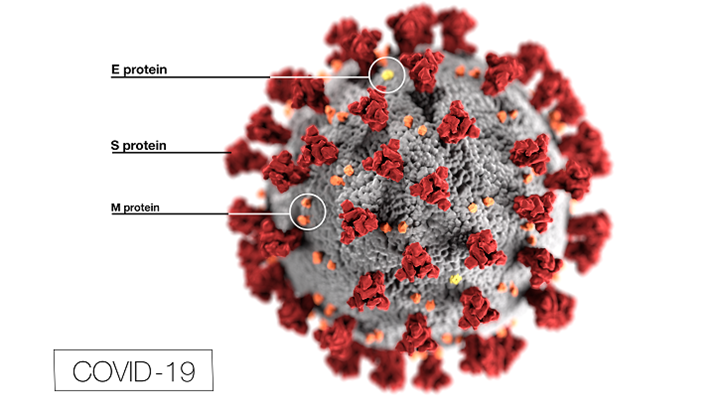
Beyond smallpox, Foege’s impact on public health is lasting and wide-reaching. He helped promote the idea that prevention, not just treatment, should be the foundation of healthcare systems. Because of his efforts, vaccination campaigns, disease surveillance, and effective health policies have saved millions of lives. The groundwork he established decades ago is evident everywhere, including in our response to COVID-19. During COVID-19, ring vaccination, which was the same strategy Foege helped pioneer for smallpox, helped reduce COVID-19 cases for some communities, according to a JAMA study.
Dr. Foege often emphasized the moral aspect of public health. “Public health might be the greatest measure of kindness,” he once said, “the greatest measure of how to treat each other.” For Foege, it was about how we care for one another, not about wealth or recognition. He dedicated himself to protecting the most vulnerable, wherever they lived.
William H. Foege’s professional work began with a goal of stopping a deadly disease. But eradicating smallpox was only a small part of his contribution to the industry and the world. Through science, compassion, and leadership, Foege helped reshape how the world understands disease prevention and collective responsibility. His impact will continue to be felt every time a life is saved through public health.