












































































































































Last Friday, global financial markets saw an unexpected shift in how the United States may be handling its relationship with Japan’s currency, the yen. After yen depreciation increased sharply, the Federal Reserve Bank of New York conducted a “rate check” on the Japanese yen.
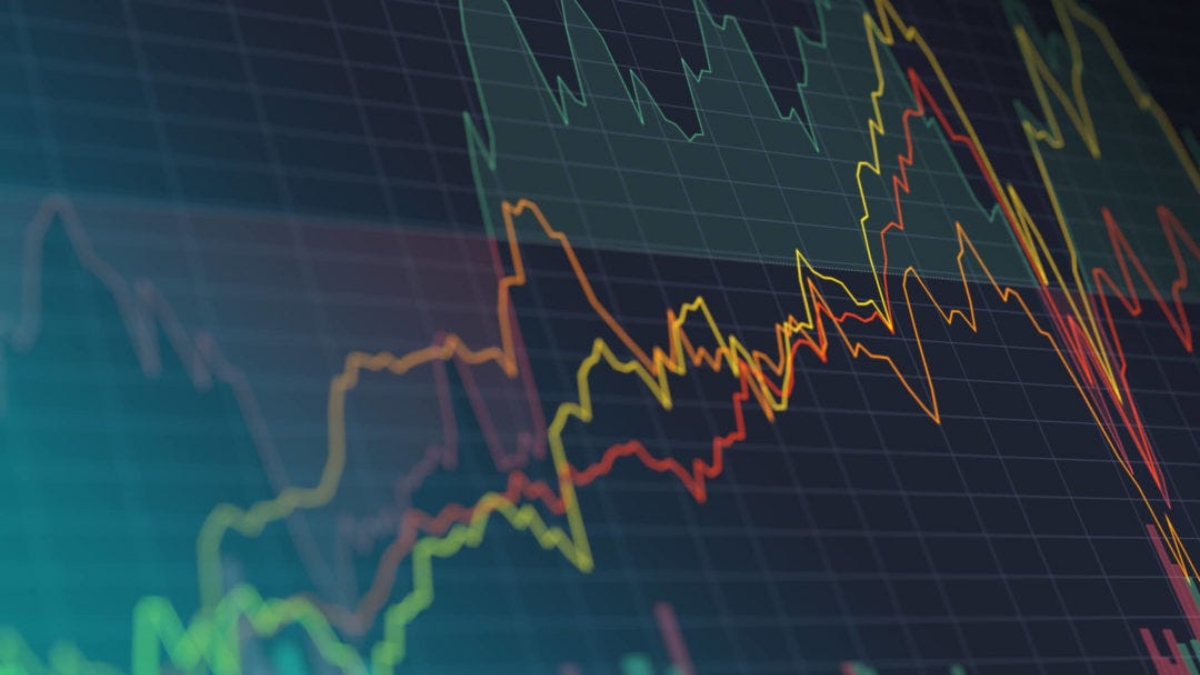
While this action did not involve buying or selling currency, it still sent a strong message to markets. Almost immediately, the exchange rate between the U.S. dollar and the Japanese yen moved sharply. The dollar fell from around 159 yen to roughly 154 yen. In the days since, the yen has remained volatile, suggesting that the market is still reassessing the risk of further policy involvement.
What Is a “Rate Check”?
A rate check occurs when a central bank, like the New York Fed, contacts major banks to ask for current prices on a currency pair, such as the U.S. dollar and the yen. On its own, this may seem like a routine information request. However, when it takes place during a period of currency stress, it sends a warning.
In this case, the yen had been weakening rapidly. By checking rates, U.S. officials signaled that they were closely monitoring the situation and were prepared to act if needed. This introduced uncertainty for traders who had been betting heavily against the yen. When investors believe governments may step in, one-sided bets become riskier.
According to reporting from Reuters, this type of quiet signal allows Japan to stabilize its currency without immediately spending its own foreign exchange reserves. Because the signal comes from the United States, it carries significant influence in global markets.
Why the United States Cares About the Yen
The U.S. government has traditionally stated that it does not attempt to manage exchange rates, preferring to let markets determine currency values. However, current conditions have tied the yen more closely to U.S. economic stability than many might expect.
Japan is the largest foreign holder of U.S. Treasury bonds, which are a major tool the U.S. government uses to borrow money. When the yen weakens sharply, Japan may sell U.S. Treasuries to raise dollars and defend its currency. When large amounts of Treasuries are sold, bond prices fall and interest rates rise.
Last week, as the yen weakened, the yield on the 10-year U.S. Treasury bond increased. Over the past few days, yields have remained elevated, reinforcing concerns about borrowing costs. Higher Treasury yields often lead to higher mortgage rates in the United States, directly affecting American households through more expensive home loans.
Because of this connection, the United States has a strong incentive to prevent extreme yen weakness. Supporting the yen reduces the likelihood that Japan will sell large amounts of U.S. debt, helping stabilize U.S. interest rates.
The Gap Between Words and Actions
Publicly, U.S. officials continue to deny active involvement in currency markets. Treasury Secretary Scott Bessent reiterated on CNBC that the United States does not manipulate currency values.
However, many analysts describe this approach as “strategic ambiguity.” In simple terms, this means maintaining a non-interventionist stance in public while quietly taking steps that influence market behavior. By denying direct action while allowing rate checks, U.S. officials can calm markets without drawing political criticism.
Analysts at ING have noted that the timing of the U.S. rate check is closely aligned with recent actions by Japan’s Ministry of Finance. Even in the days following the rate check, market participants have pointed to signs of continued coordination, despite the lack of formal announcements.
Japan’s Political and Economic Challenge
The long-term effectiveness of these efforts depends largely on Japan’s domestic policies. Prime Minister Sanae Takaichi is facing a snap election on February 8 and has proposed large tax cuts and increased government spending to support economic growth.
Economists see two main outcomes. In the more bullish scenario, U.S. backing discourages traders from betting against the yen, helping it stabilize near 150 yen per dollar. In the bearish scenario, Japan’s fiscal expansion outweighs market signaling, and the yen resumes its decline after the election.
Analysts at Forex.com have emphasized that without a meaningful change in the interest rate gap between the United States and Japan, any currency support is likely temporary. U.S. interest rates remain high, while Japanese rates are still very low, encouraging investors to favor the dollar.
What to Watch Going Forward
In the coming weeks, investors will closely watch the 150 yen per dollar level. If the exchange rate stabilizes near this point, the rate check strategy may be working. If the dollar rises back above 158 yen, it would suggest otherwise.
Another key indicator is the relationship between the dollar-yen exchange rate and the U.S. 10-year Treasury yield. If the yen weakens while yields continue to rise, the likelihood of further intervention increases.