



































































































































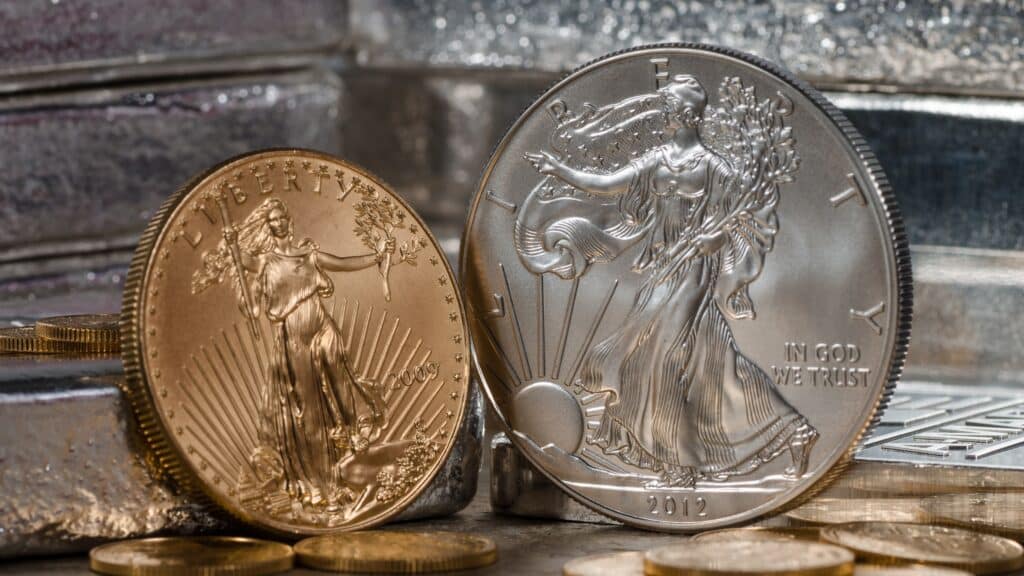
Last week was a rollercoaster for gold and silver. On Thursday, January 30, gold hit a record high of nearly $5,600 per ounce, while silver peaked just under $122. By Friday, January 31, everything had flipped. Gold tumbled nearly 10% and silver crashed 28%, marking the worst single day in value since March of 1980. Monday, February 3, brought continued losses. However, the very next day, the value of gold climbed back above $5,000 and silver jumped to around $90. According to CNBC, silver is still up about 16% since the start of 2026, and gold is up roughly 8%, but this week’s volatility left everyone asking: what just happened?
Why Gold and Silver Matter
Gold and silver are “safe-haven assets.” When people get nervous about the economy, worried about issues such as inflation, geopolitical conflicts, or market uncertainty, they buy gold and silver. These metals don’t pay interest like bonds or dividends like stocks, but they hold value when paper assets feel risky. As one strategist put it, gold is “the only asset without a counterparty [that] makes no promises, pays no interest, and is not dependent on political decisions”.
Over the past year, both metals surged. Gold jumped 65% in 2025, while silver skyrocketed 145%. Those gains reflected anxieties about Trump’s tariff threats, Federal Reserve independence concerns, mounting national debt, and persistent inflation fears.
What Triggered the Dramatic Swings
Markets suddenly reassessed the future, specifically what the Federal Reserve might do with interest rates. On Friday, January 31, President Trump officially nominated Kevin Warsh to replace current Federal Reserve Chair Jerome Powell, whose term ends in May. Warsh is a former Fed governor with complex views: historically hawkish on inflation (favoring higher interest rates to keep prices stable), but recently indicating support for cutting rates (a policy favored by Trump) in 2026.
This news created confusion about the Fed’s future direction. The Federal Reserve controls interest rates, affecting everything from credit card rates to mortgage costs. Higher rates make borrowing expensive, slowing the economy but fighting inflation. Lower rates make borrowing cheaper, boosting economic growth but potentially fueling inflation. When investors thought Warsh might take a more relaxed approach than Powell, they reconsidered whether gold and silver were still necessary hedges against economic uncertainty. José Torres, a senior economist at Interactive Brokers, explained that the “independence bid that drove gold and silver to record heights was unraveling.”
Other factors played a role. The U.S. dollar strengthened about 0.8% since Thursday, and since gold and silver are priced in dollars, a stronger dollar makes the metals more expensive for foreign buyers. According to TradingEconomics, geopolitical tensions eased slightly when the U.S. and Iran scheduled talks, reducing safe-haven demand. But most importantly, prices had run too hot. As one analyst put it, “precious metals prices collapsed simply because they had already gone parabolic.” Once profit-taking started, they snowballed.
Why This Matters Beyond Wall Street
Precious metals act like economic mood indicators. Their wild swings reveal the levels of confidence investors hold about the future. When gold and silver prices spike, it signifies worries about inflation eroding savings, currency values becoming unstable, or traditional financial systems breaking down. When they crash, it suggests those fears are subsiding or investors are rapidly reassessing.
The same forces driving gold and silver prices (inflation concerns, interest rate policies, dollar strength) also affect college tuition affordability, car loan costs, grocery prices, and future job markets. Analysts at Deutsche Bank noted that “investor intentions in precious metals have not likely changed for the worse,” meaning underlying economic anxieties haven’t disappeared.
Takeaways
This week reveals something crucial: global markets are extremely unstable—they are reflections of broader economic stress and uncertainty. As questions about Fed independence, inflation’s trajectory, geopolitical stability, and national debt levels fail to provide clear answers, investors are left on edge and the violent price swings witnessed this week become inevitable.
Some analysts remain bullish. Goldman Sachs maintains a $5,400 price target for gold by the end of 2026, while Bank of America forecasts $6,000. Their reasoning is that banks will continue buying gold at historic rates, and if the Fed cuts interest rates significantly, private investors will likely pile back in. Others caution that this instability will persist as markets deliberate on the implications of new Fed leadership and Trump’s economic policies.
As one strategist noted, “near-term volatility is likely to persist,” shaped by dollar movements, interest rate expectations, and risk sentiment. This week shows how quickly markets shift when underlying uncertainties collide with speculative excess.