

























































From K-pop Demon Hunters’ 2025 takeover to Bad Bunny’s historic Super Bowl half-time show last week, one thing is becoming clearer than ever: global cultures aren’t just entering the US entertainment industry, but they’re setting the pace.
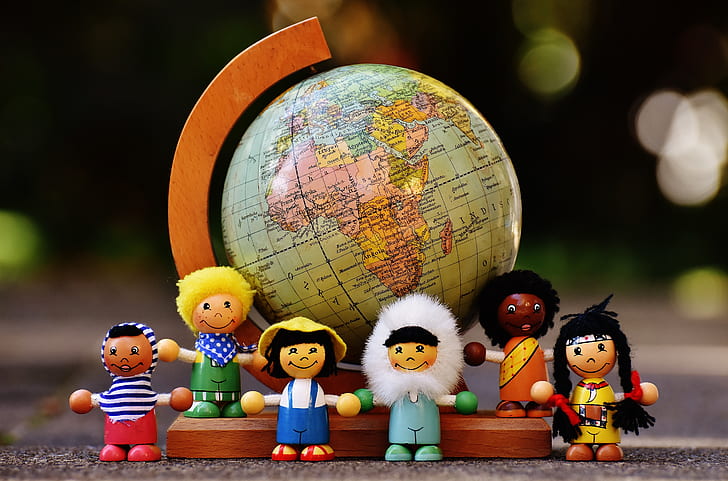
For decades, American pop culture has operated under the assumption that influence flows in one direction: outward. Hollywood exported its movies everywhere. English-language media set the standard. The world was supposed to catch up, follow along, and adapt. But that hierarchy is cracking, and honestly, it’s about time. The rise of global cultural movements in the US isn’t a quirky trend or simply just a temporary wave. It’s a structural shift in who gets to shape mainstream culture. The US is no longer the sole narrator; there are other significant voices in the mix, too.
Take K-pop, for example. What used to be dismissed as a niche fandom has become a global force, with groups selling out stadiums across the US in no time. Most recently, the K-pop Demon Hunters movie and soundtrack took the world by storm. Its songs topped Billboard and Spotify charts for months, outperforming major US releases in the process. The movie itself became Netflix’s most watched film of all time in just over nine weeks. This proves that American audiences are not only willing, but also eager to support stories that aren’t rooted in US cultural norms.
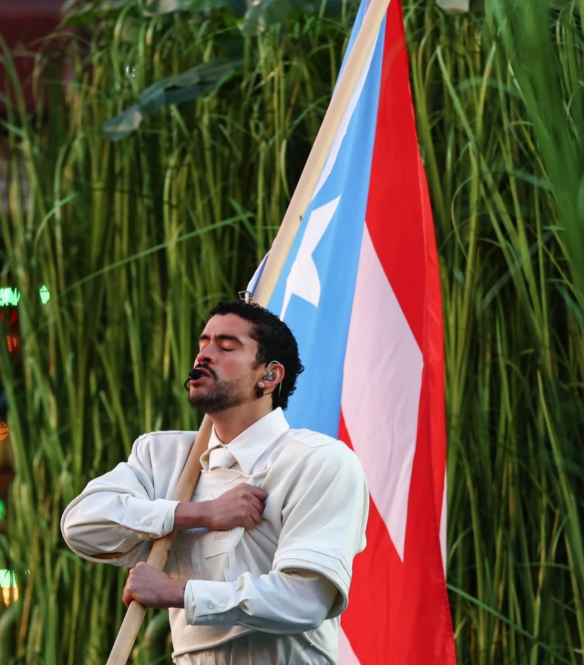
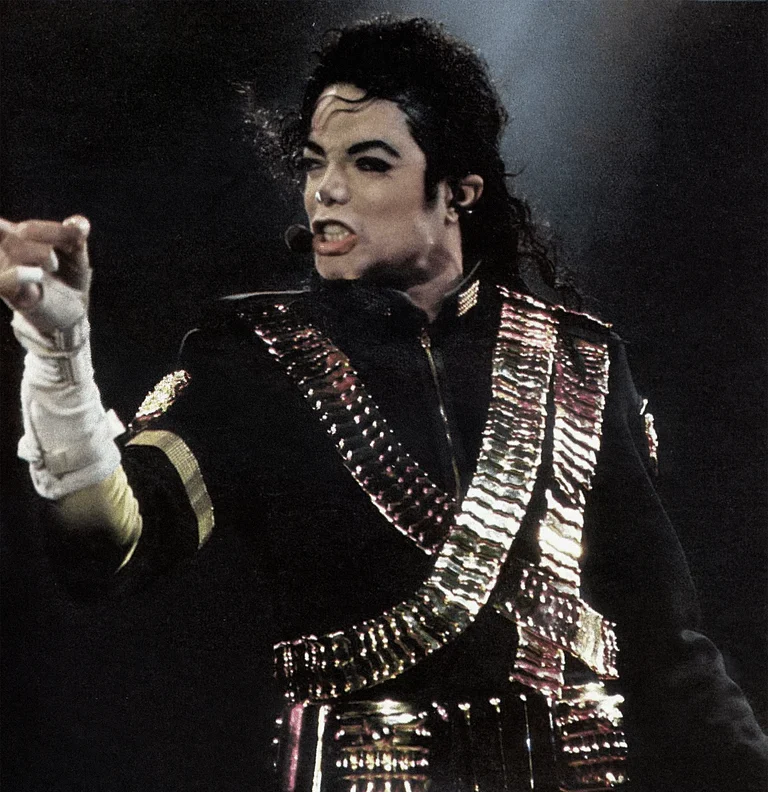
And then there’s Bad Bunny. His Super Bowl halftime show last week was a historic moment, even if it sparked some backlash. Performing fully in Spanish on one of the biggest stages in the country challenged what many people expect from “American” entertainment. Whether people loved it or not, the performance proved that Latin pop has enough influence and popularity to take over the most‑watched event in the US. That alone shows how much the cultural landscape has changed.
So what does this mean for the US? For one, it forces the industry to confront its own narrowness. For years, American media has treated non‑English, non‑Western entertainment as “international,” which subtly reinforced the idea that US culture is the default and everything else is an add‑on. But when global genres dominate charts, streaming platforms, and box offices, that framing collapses. The US is no longer the center of the cultural universe but rather one node in a much larger, more diverse network.
This shift matters because cultural power has always shaped how countries see themselves and each other. When American entertainment dominated globally, it influenced how people viewed the US and how Americans saw themselves. Now, as global movements shape American tastes, they are also shaping American identity. Young people today grow up with playlists in multiple languages, foreign films as comfort watches, and cultural references from all over the world.
The future of cultural power will belong to the communities that understand that influence isn’t about controlling the conversation but joining it. If the US wants to stay a part of that future, it will need to share the spotlight instead of assuming it owns it.